
When it comes to wood, oak not only captivates with its aesthetics but also excels in durability. Homeowners and designers frequently find themselves choosing between oak and popular alternatives like maple, pine, and cherry.
By exploring the distinct features of oak, individuals can appreciate its advantages in terms of quality, sustainability, and style, establishing it as a top contender in the market.
Shoppers seeking furniture or flooring will find that oak’s unique grain patterns and strength significantly enhance their projects, making it a favored option across various designs.
Click here to learn more about: www.globalvisioncompany.com
What Sets Hardwood Apart from Softwood?
Distinguishing between hardwood and softwood plays a critical role in furniture durability. Hardwoods, exemplified by oak, provide exceptional strength due to their dense structures, making them suitable for high-use applications.
Arming oneself with this knowledge enables consumers to make informed material choices according to their intended use. For instance, oak proves ideal for robust furniture, while softwoods may be more fitting for less demanding decorative usages.
Climate considerations should not be overlooked when selecting wood; oak’s superior moisture resistance grants it an edge in varied environments, ensuring longevity in furniture construction.
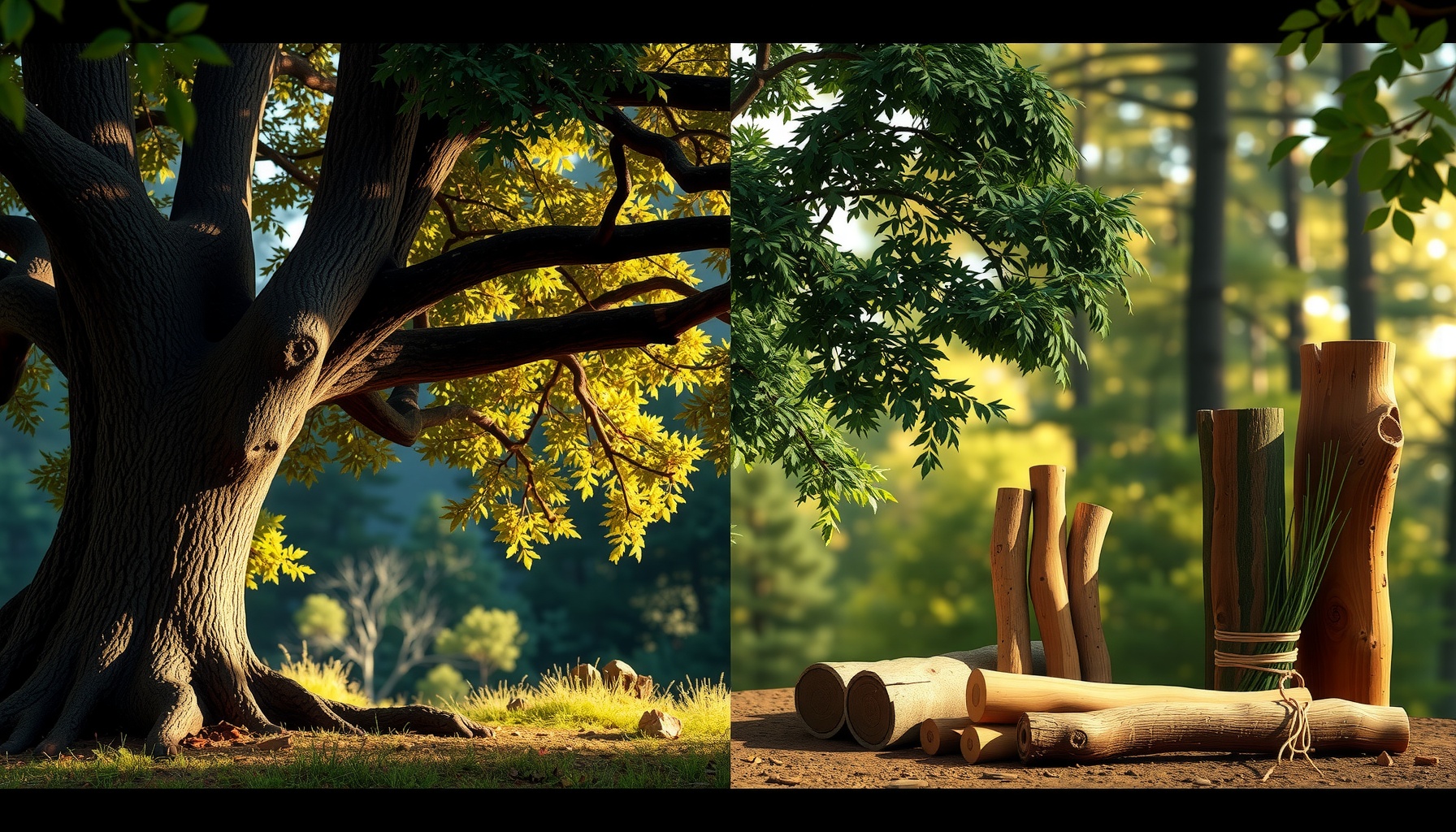
What Are the Grain Patterns in Oak?
Distinct grain patterns in oak wood significantly enhance its aesthetic appeal in interior design. These unique variations, including straight, wavy, and spiral grains, create striking visuals that elevate a space’s beauty.
Grain patterns also impact a property’s resale value, making it essential to select the right style.
Unique grain configurations often attract buyers, adding allure to your home.
The knowledge of grain patterns will inform your wood finishing choices, ensuring a cohesive design vision. Whether you choose a light or dark finish, the grain’s character dictates its role in your interior scheme.
Consider these points when evaluating grain patterns:
- Straight grains provide a clean, classic look.
- Wavy grains add movement and drama.
- Spiral grains offer a unique, organic appearance.
Comparing the Aesthetic Appeal of Woods
The aesthetic appeal of oak invites exploration into how it contrasts with other wood types. When comparing oak with maple, for instance, diverse design possibilities in contemporary interiors emerge. This examination emphasizes the importance of grain patterns and durability in making informed choices. Market trends reveal that aesthetics influence buyer decisions; many prefer oak for its rich texture and strength.
For example, oak’s warm tones provide a beautiful juxtaposition against maple’s cooler, uniform appearance, presenting designers with creative opportunities to enhance specific elements within their work.
Grain Patterns in Oak
- Distinct grain patterns in oak enhance visual appeal in interior design.
- Straight grains offer a classic look, while wavy grains add drama.
- Unique grain configurations can increase a property’s resale value.
- Oak’s warm tones contrast beautifully with other woods like maple, providing design versatility.
How Does Oak Stack Up on Durability?
Choosing oak wood means selecting a remarkably durable material that is particularly suited for high-traffic areas. This hardwood’s inherent strength allows it to endure the daily grind of life, making it a favored option for residential and commercial settings.
When compared to softer woods such as pine, oak exhibits superior resistance to scratches and dents, significantly boosting its appeal in bustling environments.
A few factors contribute to oak’s outstanding durability:.
- Density: Oak ranks high on the Janka hardness scale, establishing itself as one of the toughest hardwoods.
- Natural Oils: These oils provide moisture resistance and pest protection, further prolonging the lifespan of oak.
To maintain the durability of oak over time, regularly applying a protective sealant is vital. This simple maintenance tip will help prevent moisture damage and ensure the wood remains beautiful for years to come.
Exploring Cost Comparison of Oak and Alternatives
Choosing oak often involves considering its durability as well as its aesthetic value, both of which frequently come with a higher price tag. Costs can fluctuate significantly based on factors such as grain quality and patterns. Higher-grade oak, which displays intricate grain designs, typically commands a premium price, especially when compared to alternatives like maple or poplar.
Budgeting effectively is essential when selecting high-end woods. The longevity of oak can rationalize its initial cost, potentially leading to significant long-term savings regarding maintenance and replacements. Here are some budgeting tips for prospective buyers:
Consider volume discounts from suppliers when purchasing large quantities. This strategy can increase cost-effectiveness and encourage bulk purchasing.
- Take advantage of tiered discount structures that offer savings based on quantity thresholds.
- Establish supplier agreements that guarantee competitive pricing and cost-per-unit savings.
- Monitor seasonal trends to optimize discount offerings that resonate with your needs.
Ultimately, evaluating the initial cost against the durability and aesthetic appeal of oak will lead to a more informed purchasing decision.
Oak Wood Durability and Cost
- Oak wood has a Janka hardness rating of approximately 1,360, making it one of the hardest domestic hardwoods available.
- Natural oils in oak not only resist moisture but also deter common pests, enhancing its longevity.
- Higher-grade oak can cost 20-30% more than alternatives like maple or poplar, but its durability can save on long-term maintenance costs.
- Purchasing oak in bulk can lead to significant savings, with many suppliers offering discounts based on quantity.
What About the Moisture Resistance of Various Woods?
Moisture resistance significantly influences the durability of wood when selected for furniture. Woods such as oak and maple showcase exceptional moisture management, which is vital in humid climates to avert warping and decay.
Hardwoods generally provide a substantial advantage over softwoods in their resilience against moisture, thereby enhancing their longevity.
Choosing the right finishes can also bolster this moisture resistance, creating a protective barrier.
Consider these effective options:
- Polyurethane: Serves as an effective clear coating.
- Oil-based finishes: Penetrate the wood to provide additional protection.
Selecting moisture-resistant woods along with the appropriate finishing techniques ensures the creation of lasting furniture.
Applications of Oak in Furniture Design
Incorporating oak into furniture design offers both durability and aesthetic appeal across numerous styles. The natural beauty of oak harmonizes with rustic and contemporary designs, establishing it as a versatile option. Combining oak with materials such as metal or glass adds visual interest, creating striking statements in any space. Notable applications include:
- Rustic furniture: Often accentuates oak’s rich grain patterns.
- Modern designs: May integrate oak with sleek metals for added sophistication.
To maximize oak’s potential, consider how to pair it with complementary upholstery colors and materials.
| Wood Type | Moisture Resistance | Common Applications |
|---|---|---|
| Oak | High | Rustic and modern furniture designs |
| Maple | High | Cabinets and tabletops |
| Softwoods | Lower | Less durable furniture |
| Hardwoods | High | Long-lasting furniture |
Evaluating Sustainability of Oak vs Other Woods
Choosing the right wood for furniture design impacts not only aesthetics but also sustainability. Oak, renowned for its exceptional durability, requires careful examination alongside other popular options such as maple and pine.
The environmental impact of harvesting practices significantly influences sustainability assessments; employing methods like selective logging greatly reduces ecological damage compared to practices like clear-cutting.
When considering oak, eco-conscious buyers should focus on sourcing responsibly-sourced materials.
Prioritizing certifications such as FSC or PEFC guarantees adherence to sustainable forestry practices, which is essential for minimizing environmental impact.
By making informed choices, consumers can enjoy the timeless beauty of oak while supporting a healthier planet.
Harvesting Practices and Eco-Friendly Sourcing
Harvesting practices play a key role in the sustainability of any wood type. For oak, selecting the right methods is crucial.
Clear-cutting can lead to significant ecological disruption, while selective logging allows forests to regenerate naturally. Durability is essential not only for the longevity of furniture but also for reducing overall resource consumption.
When looking to source oak, potential buyers should always inquire about the environmental practices of their suppliers.
Eco-friendly options include local sourcing and the use of reclaimed wood, which further minimizes the demand for new materials and promotes sustainability.
Understanding the full lifecycle of oak from harvesting to its application in furniture design supports responsible consumer behavior.
By choosing sustainably harvested oak, buyers can enjoy its aesthetic appeal while contributing to environmental preservation.
Wood Sustainability
- Selective logging can reduce ecological damage by allowing forests to regenerate naturally.
- FSC and PEFC certifications ensure that wood is sourced from sustainably managed forests.
- Reclaimed wood usage decreases the demand for new materials, promoting environmental sustainability.
- Durable wood types like oak contribute to lower resource consumption over time due to their longevity.