
Ensuring the beauty and longevity of oak wood goes beyond mere appearance; it involves protection and nourishment. Natural oils for oak care, such as tung oil and linseed oil, create a robust barrier that enhances durability while showcasing the wood’s unique grain.
These wood treatment options effectively resist moisture and combat wear and tear from daily use.
Selecting the right oil not only keeps your oak furniture stunning but also sturdy for years ahead.
Protect your investment with high-quality oils that promote wood longevity and deliver a polished finish.
Click here to learn more about: www.globalvisioncompany.com
Choosing the Right Wood Finish
Optimal care for oak wood requires careful consideration of various finishes. Wood finishes play a significant role in both durability and aesthetics.
Here’s what to consider:.
Types of Finishes
- Oil-based finishes penetrate deeply and provide a warm appearance, perfect for enhancing durability.
- Water-based finishes dry quickly and require less maintenance, making them well-suited for frequently used items.
Testing finishes on small wood samples allows you to see how each option interacts with the wood grain. Consider the following:
Enhancing Aesthetics
- Clear coats can improve shine and visual appeal.
- Gloss finishes add a brilliant reflective quality, while satin finishes offer a softer sheen.
By matching finishes to your oak’s intended use, you can maximize both durability and visual beauty.
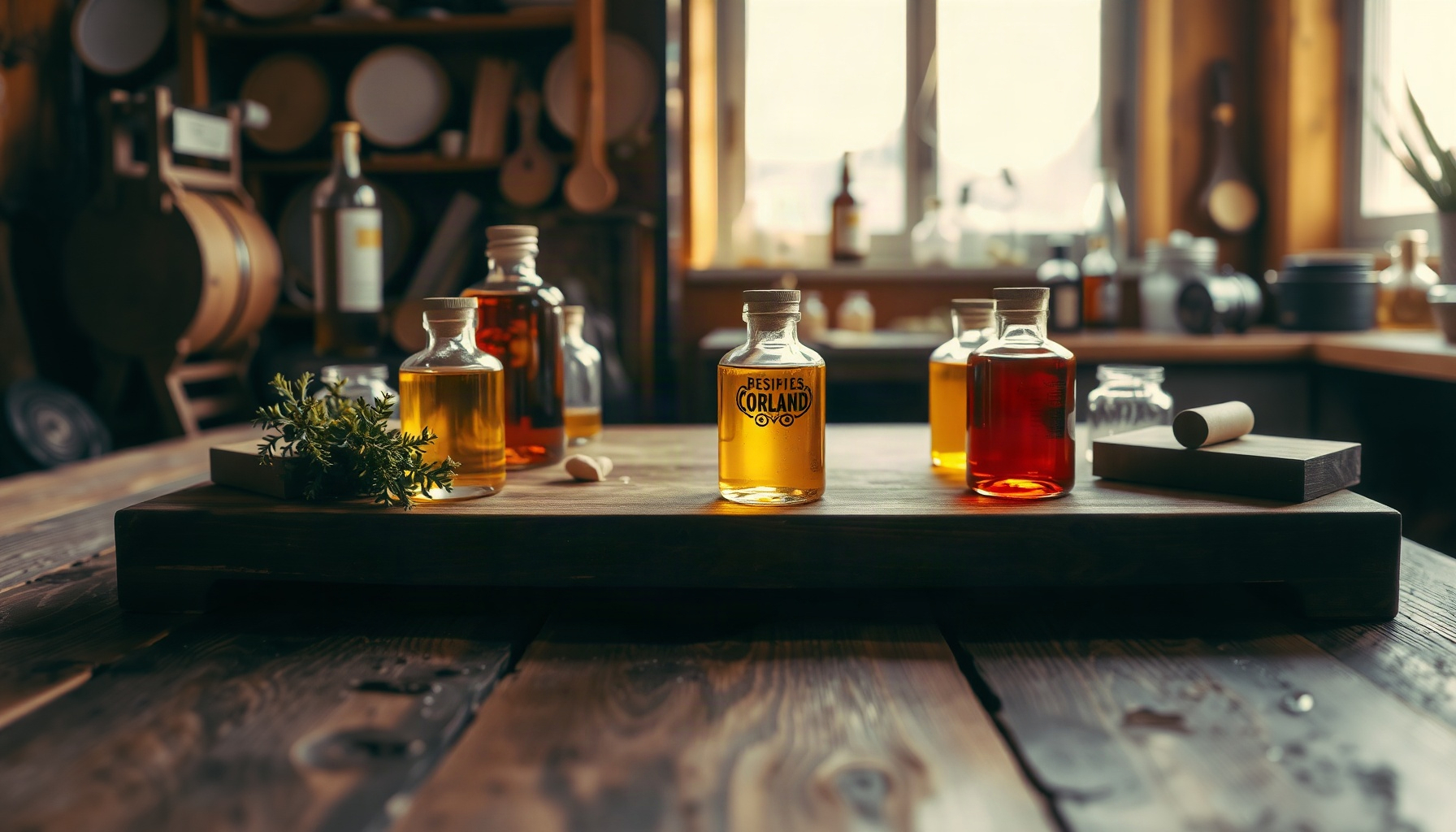
How Does Wood Conditioner Work
Preparing wood for a stunning finish starts with the application of wood conditioners. These treatments play a significant role in ensuring even absorption of stains, which results in a smooth and consistent appearance across the surface.
When applied correctly, conditioners help minimize grain raising, a common issue during the staining process.
To effectively reduce grain raise, select the right application tools, such as brushes or cloths, and allow sufficient drying times before progressing to the staining phase.
Choosing the right wood conditioner is essential, as oil-based options are typically more effective on hardwoods like oak, while water-based conditioners are better suited for softwoods.
Benefits of Natural Oils for Oak
Natural oils provide outstanding protective qualities for oak wood surfaces.
These oils form a hydrophobic barrier that not only prevents moisture damage but also significantly enhances durability. They offer UV protection, which helps in preventing color fading over time.
Enhancing Grain and Color
Applying natural oils enriches the grain and color of oak, elevating its visual appeal and overall aesthetics.
Regular oil treatments can lead to enhanced wood longevity and beauty.
Maintenance Recommendations
For optimal wood maintenance, it’s advisable to reapply these oils regularly—typically every 6 to 12 months, depending on usage. Before reapplication, ensure to clean the oak surface thoroughly to guarantee proper adhesion and effectiveness of the new oil treatment.
Wood Conditioning and Natural Oils
- Wood conditioners ensure even absorption of stains, resulting in a smooth finish.
- Oil-based wood conditioners are more effective for hardwoods like oak, while water-based options suit softwoods better.
- Natural oils create a hydrophobic barrier that protects oak from moisture damage and UV fading.
- Regular application of natural oils enhances the grain and color of oak, improving its aesthetics and longevity.
Why Use Tung Oil for Care
Choosing tung oil for wood care can significantly enhance the longevity and beauty of your furniture. This natural oil penetrates deeply into wood fibers, forming a strong protective barrier that resists moisture, mildew, and wear.
As it cures, tung oil oxidizes and hardens, creating an effective protective coating that ensures lasting results.
Drying times play a crucial role; ensure proper ventilation and apply thin layers for optimal results.
To achieve a smooth finish, consider using fine-grit sandpaper between applications. This approach not only enhances the wood’s natural aesthetics but also extends the lifespan of the wood finish, requiring less frequent reapplication.
Teak Oil for Optimal Protection
Utilizing teak oil greatly contributes to preserving the integrity of outdoor furniture.
This oil nourishes wood, preventing drying and cracking while effectively restoring its rich color and grain. By applying teak oil, you benefit from significant UV protection, which safeguards wooden surfaces from sun damage that can fade their appearance over time.
Maintenance tips include reapplying teak oil every season and cleaning surfaces before treatment to ensure adhesion.
Following these recommendations helps maintain the stunning aesthetics of your furniture, prolonging its life against the elements and ultimately providing enduring quality.
- Tung oil creates a durable protective barrier, making it ideal for high-moisture environments.
- Teak oil provides UV protection, preventing sun damage and fading of outdoor furniture.
- Regular maintenance, such as reapplying oils seasonally, significantly extends the lifespan of wood finishes.
- Using fine-grit sandpaper between applications of tung oil enhances the smoothness and appearance of the finish.
Mineral Oil Applications
Within the scope of furniture care, mineral oil is an essential component for maintaining wood integrity. This wood treatment is particularly ideal for food-safe finishes on kitchen items like cutting boards and utensils.
Its natural composition guarantees that no taste or odor disrupts your culinary creations.
With excellent absorption properties, mineral oil penetrates wood fibers, enabling optimal moisture replenishment.
It is advisable to reapply mineral oil every 1-3 months to maintain protection and aesthetic appeal. Before applying oil, ensure surfaces are cleaned with mild soap and water, allowing them to dry completely for optimal results.
- Remove any old finishes or residues during preparation.
- Sand rough areas lightly to promote better oil adhesion.
Tips for Effective Furniture Maintenance
Implementing a routine care regimen is key to preserving the beauty and functionality of your furniture. Regular dusting with a soft cloth effectively prevents scratches caused by accumulated debris. Addressing spills immediately safeguards your furniture from potential damage. Humidity control is another important factor; maintain indoor levels between 30-50% to minimize risks of cracking or warping. Here are actionable tips for quick fixes:
Scratch Repair
Scratch Repair: Use a walnut or a furniture marker to effectively fill in minor scratches on the surface.
Polishing
Polishing: Regularly apply a mixture of equal parts vinegar and olive oil for a natural shine to enhance aesthetics.
- Routine Care: Establish a consistent schedule for maintenance oil application to ensure wood longevity.
- Surface Protection: Utilize a clear coat to provide a protective barrier against wear and tear.
| Maintenance Task | Recommended Frequency | Key Benefits |
|---|---|---|
| Reapply Mineral Oil | Every 1-3 months | Maintains protection and aesthetic appeal |
| Dusting | Regularly | Prevents scratches from debris |
| Humidity Control | Continuous | Minimizes risks of cracking or warping |
| Surface Protection | As needed | Provides a barrier against wear and tear |
Importance of Wood Preservation Techniques
Preservation techniques for wooden items are essential for enhancing their durability and beauty. Wood finishing products, such as wood conditioners and natural oils, significantly contribute to extending the lifespan of wood by preventing decay and damage.
With effective methods, including sealing and staining, your wooden items can maintain their appeal for years.
These practices not only add aesthetic value but also create a protective barrier, offering crucial UV protection and moisture resistance.
Regular maintenance practices are integral to wood longevity.
Applying furniture oils like teak oil, tung oil, and linseed oil enhances wood nourishment and revitalization. Maintaining a consistent care regimen helps ensure that your wooden items remain resilient against environmental factors.
Integrating wood treatment methods into your DIY projects elevates the overall quality, offering both aesthetic advantages and practical benefits, saving you from costly repairs down the line.
Effective Methods for Wood Preservation
Implementing a combination of protective coatings, such as clear coats and wax oils, can significantly enhance the longevity of wood. Regularly applying deep conditioning products, including revitalizing oils and maintenance oils, is crucial for keeping the wood nourished.
By understanding the appropriate application techniques and drying times for different products, you can optimize the preservation process.
Investing in grain enhancement techniques and selecting ecofriendly oils is beneficial for both the environment and the appearance of your wood.
These methods contribute to surface enhancement while ensuring that your wood remains protected from wear and tear.
The aesthetic benefits combined with practical care make wood preservation a smart choice for maintaining furniture and other wooden structures.
Wood Preservation Techniques
- Wood finishing products can extend the lifespan of wood by preventing decay and damage.
- Regular maintenance with oils like teak, tung, and linseed enhances wood nourishment and revitalization.
- Protective coatings such as clear coats and wax oils significantly enhance wood longevity.
- Ecofriendly oils contribute to surface enhancement while protecting wood from wear and tear.