
Elevate the aesthetic of your oak furniture with carefully selected oils that truly enhance its natural beauty. Quality wood care oils not only protect the wood but also highlight the unique grain patterns that oak is known for.
Linseed oil and tung oil stand out as exceptional choices, offering deep penetration and a rich finish that accentuates the texture of oak.
Regular application of these oils guarantees longevity and scratch resistance, ensuring that your furniture maintains an elegant appearance.
Choosing ecofriendly oils further supports sustainable sourcing, making home improvements both beautiful and responsible.
Click here to learn more about: www.globalvisioncompany.com
Choosing the Right Wood Finish
Identifying a suitable wood finish is essential for showcasing the beauty of oak while ensuring grain visibility. Protective finishes such as oil and varnish can significantly impact the appearance of the grain, making the right selection important.
Different wood types may require distinct approaches; for instance, oak might respond differently to various finishes compared to softer woods like pine. To prevent dissatisfaction with your furniture care routine, consider employing these tips:.
- Always test the finish on a small area before a full application. This helps you assess grain enhancement and ensures it aligns with your aesthetic goals.
- Evaluate oil treatments and varnish alternatives for their compatibility with oak.
- Be mindful of the application techniques used, as this can affect the overall finish quality.
By exploring these options, you secure a beautiful and durable finish that complements your oak furniture. This attention to detail enhances the overall design and demonstrates your commitment to effective furniture care.
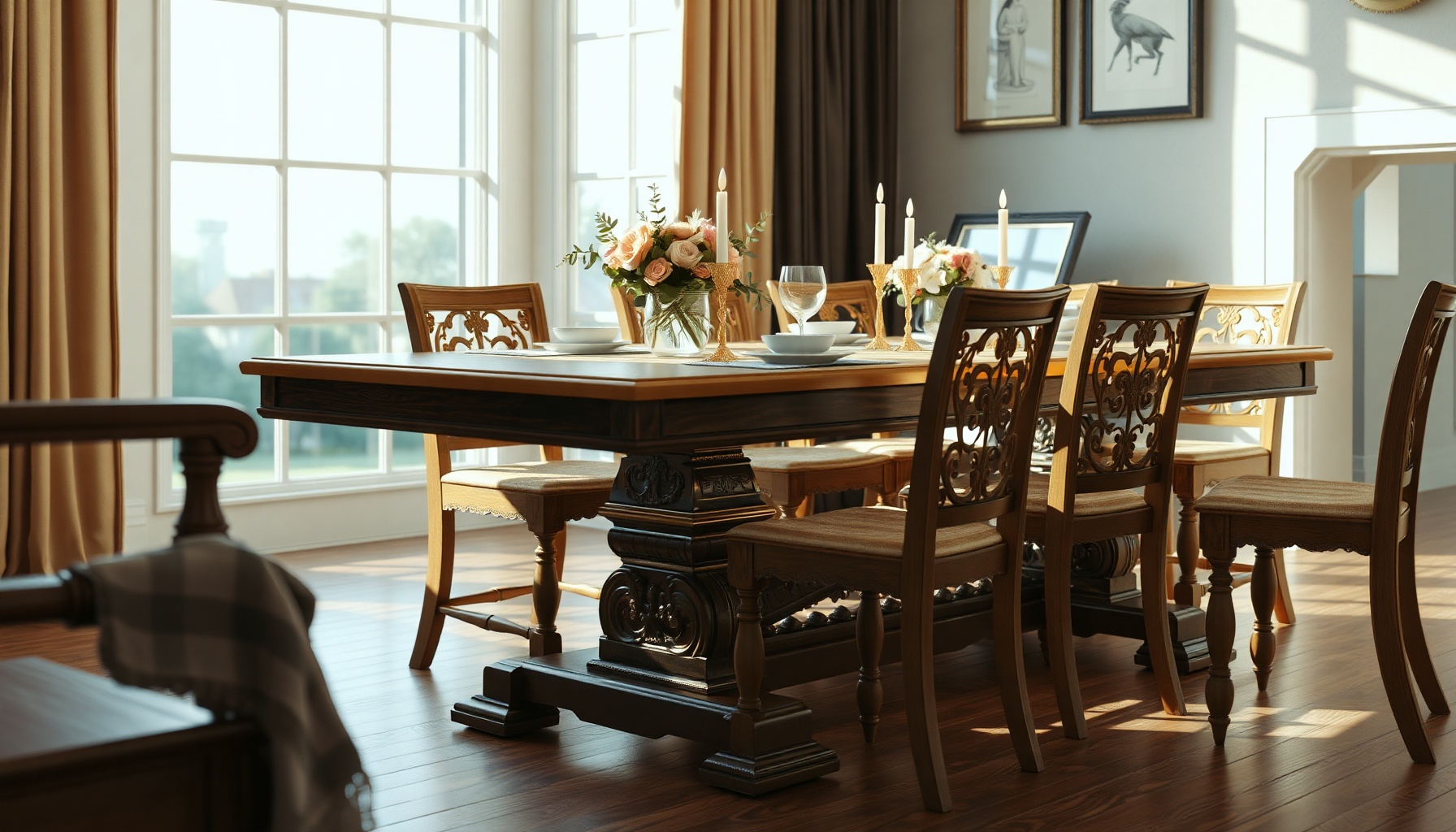
How to Apply Oil Treatments
Applying oil treatments effectively requires focus and precision. First, thoroughly clean the oak surface using a soft cloth with a wood-safe cleaner to remove dust and grime.
Ensure the wood is completely dry before moving on to the next step.
Next, select the right oil for your needs; options like tung oil or linseed oil can yield beautiful finishes.
For the application, follow these steps: pour a small amount of oil onto a lint-free cloth, apply it evenly in the direction of the grain, and let it soak for 15-30 minutes. Afterward, wipe off excess oil and repeat the process for additional coats.
Optimal drying times between coats should be around 24 hours to ensure proper absorption. Regular maintenance, including reapplication every 6-12 months, will preserve the finish and enhance the wood’s longevity.
Additional Application Techniques
Utilizing proper application techniques can significantly enhance the overall finish.
Ensure you use clean application tools to avoid contamination.
Buffing the surface after each coat can help enhance the shine and promote scratch resistance. Always refer to the specific oil’s instructions for any unique guidelines.
Maintenance Tips
Implementing a consistent maintenance routine will extend the life of the treatment. Regularly assessing and refreshing the oil treatment will keep your oak furniture looking vibrant and protected.
Keep in mind that seasonal care is important; adjusting your maintenance schedule according to humidity and temperature can ensure optimal performance.
Benefits of Natural Oils for Oak
Natural oils provide exceptional benefits that amplify oak’s beauty and durability.
Using these oils, such as tung oil and linseed oil, enhances aesthetics by deepening the wood grain and color, resulting in a rich finish.
These oils create a protective coating that prevents moisture damage and increases scratch resistance. When selecting an oil, consider the desired finish, whether matte or glossy, to complement your decor.
Employing ecofriendly oils aligns with sustainability goals while maintaining wood care.
Surface Protection
Natural oils significantly contribute to surface protection by forming a barrier that locks out moisture and dirt.
This preservation method ensures that your oak remains resilient against the elements, increasing its lifespan and aesthetic value.
Selecting the Right Oil
Selecting the right oil based on the desired finish can enhance the overall appearance of your oak furniture.
Consider factors like drying time, application techniques, and compatibility with your decor style to make an informed choice. The proper use of natural oils not only beautifies but also preserves your investment, ensuring oak furniture remains a lasting centerpiece of your home.
Oil Treatments for Oak
- Natural oils like tung oil and linseed oil enhance the wood grain and color, resulting in a richer finish.
- Oil treatments create a protective barrier that prevents moisture damage and increases scratch resistance.
- Regular maintenance, including reapplication every 6-12 months, is essential for preserving the finish and longevity of oak furniture.
- Choosing the right oil based on drying time and desired finish can significantly improve the overall appearance of oak furniture.
Linseed Oil Properties
Linseed oil, recognized as a prominent natural oil, possesses unique qualities that distinguish it from other finishes. The drying time of linseed oil deserves attention, as it typically becomes touch dry within 24-48 hours.
Full curing, which involves a detailed oxidation process, may take weeks.
Environmental factors such as high humidity can significantly slow drying times and lead to potential curing difficulties, while sunlight exposure may affect the finish’s overall color.
When considering linseed oil for your projects, always prioritize safety by using gloves and a mask to reduce skin contact and inhalation risks. Ensure proper disposal of rags to mitigate fire hazards.
Drying Times and Environmental Effects
The drying times for linseed oil can vary based on wood types and environmental conditions.
Factors like temperature and humidity play a pivotal role in how quickly the oil cures. For instance, applying linseed oil in high humidity can extend drying times drastically.
On the other hand, using it in dry conditions may speed up the process.
Understanding these interactions is essential for achieving optimal results in your furniture care projects.
Safety Tips
Always prioritize safety when working with linseed oil.
Proper precautions will ensure a successful and hazard-free experience.
When using linseed oil, be mindful of safety measures. Equip yourself with appropriate application tools such as gloves and masks.
Dispose of oily rags correctly to prevent fire risks. This proactive approach not only protects your health but also contributes to a safe workspace.
Advantages of Tung Oil for Furniture
Choosing tung oil can greatly enhance the durability of your wood finish.
Known for its exceptional water resistance, tung oil is ideal for furniture that faces moisture exposure.
The natural properties of tung oil allow it to endure wear and tear effectively, outperforming many synthetic alternatives.
Maintenance Strategies
To maintain the integrity of the finish, regular reapplication is necessary.
This strategy ensures proper surface protection and extends the longevity of the wood. For best results, consider the following maintenance tips:
- Apply multiple thin coats to achieve an even glossy finish or matte finish.
- Incorporate light sanding between layers for a smooth application.
- Be mindful of environmental factors that may affect the curing process.
Achieving a Desired Sheen
When aiming for a specific sheen, it’s essential to understand the role of layering in the application process. Applying several thin coats will create a rich finish that enhances the aesthetics of your furniture. This approach not only improves the visual appeal but also increases scratch resistance and durability.
| Property | Linseed Oil | Tung Oil |
|---|---|---|
| Drying Time | Touch dry in 24-48 hours; full curing may take weeks | N/A |
| Water Resistance | Moderate | Exceptional |
| Application Tips | Use gloves and masks; dispose of rags properly | Apply multiple thin coats for best results |
| Environmental Effects | High humidity slows drying; temperature affects curing | Be mindful of conditions for optimal curing |
Exploring Mineral Oil Uses
Mineral oil’s significance extends beyond mere wood care, particularly in food-safe finishes. This oil is safe for kitchenware, acting as a protective barrier that enhances the longevity of wooden utensils and cutting boards.
Positioned as an ecofriendly option, mineral oil is non-toxic, making it ideal for treating various kitchen items.
When examining how mineral oil compares to other oils, such as linseed oil or walnut oil, it becomes evident that mineral oil’s odorless and tasteless properties prevent unpleasant aftertastes.
For optimal maintenance, surfaces should be thoroughly cleaned before reapplication every few weeks, which ensures deep penetration and effective moisture resistance.
Techniques for Effective Wood Conditioning
Effective wood conditioning techniques play a pivotal role in achieving optimal results. Preparation is key; sanding the surfaces enhances grain enhancement and ensures an even application of the finish.
Various wood types, particularly oak, maple, and cherry, benefit significantly from conditioning to prevent drying and cracking.
Application Techniques
When it comes to applying conditioning products evenly, consider the following methods:
- Utilize a lint-free cloth or foam applicator for smooth distribution.
- Apply a thin coat, allowing for even absorption and drying.
- Buff the surface gently after application to enhance shine.
Consistent application techniques not only enhance aesthetics but also prolong the life of wooden items. Proper maintenance ensures effective moisture management and offers protection against wear.
Mineral Oil and Wood Conditioning
- Mineral oil is non-toxic and safe for use on kitchenware, making it an ecofriendly choice for food-safe finishes.
- Unlike linseed and walnut oils, mineral oil is odorless and tasteless, preventing any unpleasant aftertastes when used on food preparation items.
- Regular application of mineral oil every few weeks can significantly enhance the longevity and moisture resistance of wooden utensils.
- Proper surface preparation, including sanding, is essential for effective wood conditioning, particularly for hardwoods like oak, maple, and cherry.
Enhancing Aesthetics with Protective Coatings
Balancing aesthetics and protection is essential for achieving the best results in finished furniture. Protective coatings serve a dual purpose: they not only enhance the wood’s visual appeal but also shield it from environmental damage.
Coatings like varnish and oil treatments create a robust barrier, safeguarding surfaces while allowing the wood’s natural beauty to shine through.
Choosing the right coating can significantly impact both the aesthetics and longevity of your furniture.
When selecting a coating, consider both the style and intended use of the furniture.
Here are some options to evaluate:.
- Clear coatings: Ideal for showcasing the original grain and providing a natural finish.
- Tinted options: These can introduce warmth and character, enhancing the overall look.
Ultimately, the coating you choose significantly influences the durability and aesthetics of your beloved pieces. For instance, a protective coating can enhance scratch resistance and improve water resistance, making your furniture not only more beautiful but also more durable.
Longevity and Maintenance Considerations
Applying the right protective finish is integral to maintaining the beauty of your furniture over time. Consider these maintenance techniques:
- Regular cleaning: Use eco-friendly cleaning agents that won’t harm the finish.
- Seasonal care: Adjust care routines based on the types of wood and their environmental exposure.
- Wood conditioner: This can help preserve the beauty of the wood.
With the right maintenance, protective coatings can significantly extend the life and appearance of your furniture.
Ultimately, selecting the appropriate coating and adhering to a consistent maintenance routine will ensure your wood furniture remains a stunning centerpiece for years to come. By prioritizing both aesthetics and protection, you can enjoy the full potential of your investments while preserving their charm.
| Coating Type | Benefits |
|---|---|
| Clear Coatings | Showcases original grain and provides a natural finish. |
| Tinted Options | Introduces warmth and character, enhancing overall look. |
| Protective Coatings | Enhances scratch resistance and improves water resistance. |
| Maintenance Technique | Regular cleaning with eco-friendly agents preserves the finish. |