
Enhance the allure of your oak furniture with effective oil treatments. Quality oils not only elevate the appearance of your beloved pieces but also extend their lifespan.
Natural oils such as linseed and tung oil nourish oak wood, revealing its beautiful grain while creating a formidable protective barrier.
These oils enrich the wood’s longevity, providing a defense against everyday wear and tear.
Discover the finest oils that will make your oak furniture shine for years to come.
Click here to learn more about: www.globalvisioncompany.com
Choosing the Right Wood Finishing Oil
Finding the perfect wood finishing oil is essential for enhancing oak furniture. Compatibility with wood types significantly influences the effectiveness of oils, as each type brings unique benefits to oak.
For example, penetrating oils are superb choices for deep conditioning and enhancing the natural beauty of the wood. Key characteristics to examine include:
- Drying time
- Penetration depth
- Water resistance
These qualities play a critical role in the durability and maintenance of your furniture. Assess environmental factors such as humidity and temperature when selecting oils. Opt for eco-friendly finishes that ensure safe indoor use, supporting sustainable furniture care.
Environmental Considerations
Selecting the right oil is not just about aesthetics; environmental conditions significantly affect oil performance. Before application, consider the following:.
- High humidity may require oils with strong moisture resistance.
- In warmer climates, quicker drying oils are recommended to prevent dust and debris from settling.
- Using nontoxic oils ensures safety for indoor spaces, especially with children and pets.
Tip: Always test oils on a small, inconspicuous area first to assess compatibility and finish before full application.
By choosing the right oil based on specific environmental factors, you can ensure the longevity and beauty of your oak furniture. Remember, each application technique can also impact the final outcome, so it’s essential to understand the different methods for optimal results.
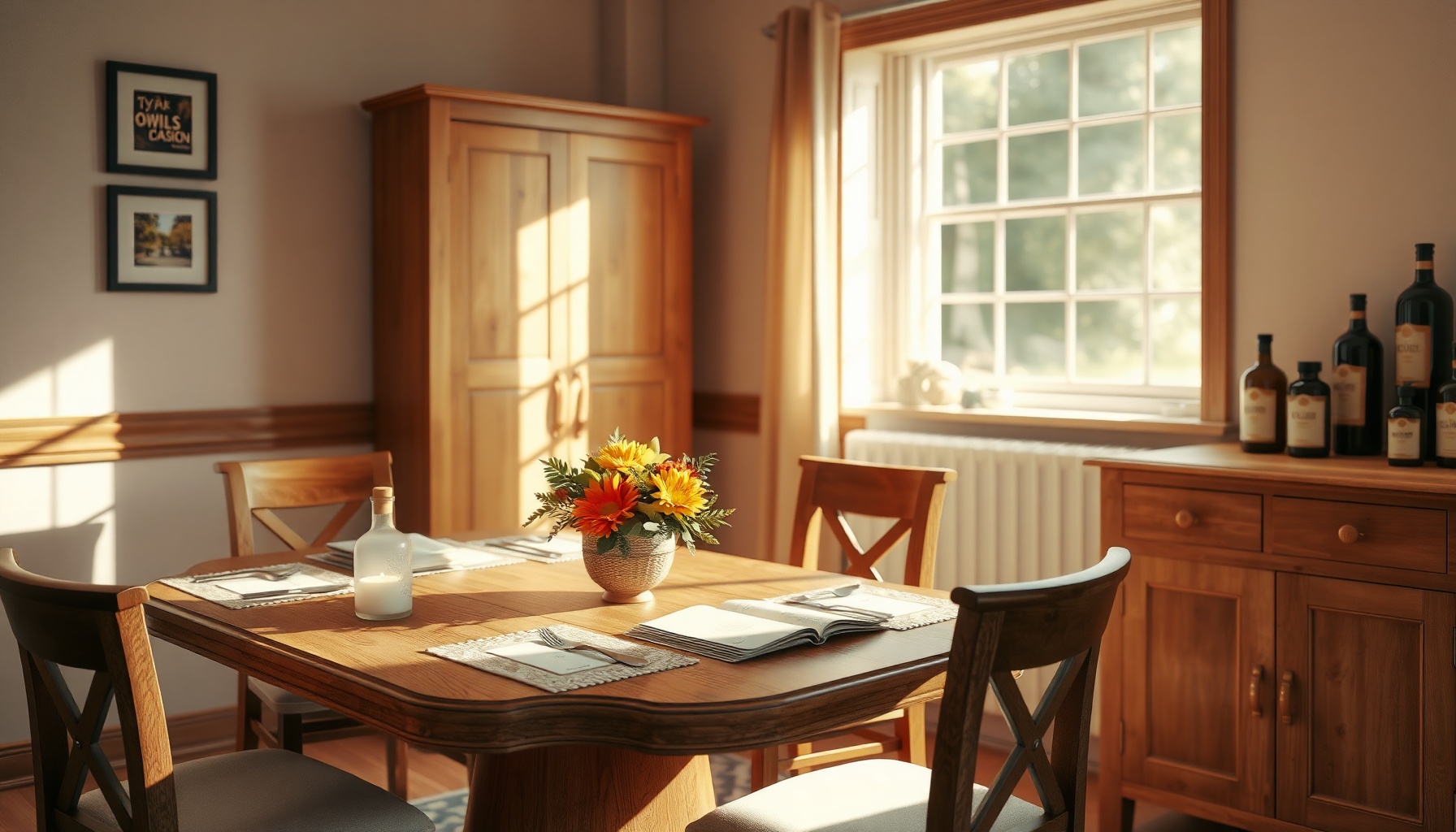
What is the Best Natural Oils?
Identifying the best natural oils for woodworking starts with their remarkable benefits and sustainable sourcing practices. Natural oils such as linseed oil, tung oil, and walnut oil offer exceptional wood finishing solutions while supporting eco-friendly initiatives.
By enhancing the durability and aesthetics of natural wood, these oils significantly contribute to improving indoor air quality.
Sustainable sourcing ensures reduced environmental impacts, making them perfect choices for environmentally conscious consumers.
For beginners interested in furniture care, applying these oils is simple: first, clean and sand the wood surface thoroughly. Then, utilize a brush or cloth for application.
This approach guarantees optimal oil penetration, resulting in a stunning finish.
Understanding Penetrating Oil Benefits
Delving into the advantages of penetrating oils uncovers their unique qualities in wood preservation. Unlike typical surface finishes, these oils penetrate deep into the wood, significantly enhancing its durability.
This deep conditioning not only improves the natural aesthetics but also provides superior moisture resistance, vital for preserving furniture longevity.
For effective application techniques in achieving optimal results, consider the following:.
- Use a clean, lint-free cloth to apply the oil with a brush application.
- Apply thin layers of oil, ensuring to allow sufficient drying time between coats.
- This method not only protects the wood but also enhances its grain, ensuring a beautiful finish that withstands the test of time.
Utilizing oil-based finishes can provide your furniture with a robust protective coating, enhancing both its surface protection and overall appearance. Remember, the right application method plays a pivotal role in achieving desired results.
Natural Oils and Wood Preservation
- Natural oils like linseed and tung oil are derived from renewable resources, promoting sustainability.
- Penetrating oils enhance wood durability by deeply conditioning the material, unlike surface finishes.
- These oils improve moisture resistance, which is crucial for extending the lifespan of furniture.
- Proper application methods, such as using thin layers and allowing drying time, ensure optimal results and a beautiful finish.
How to Use Linseed Oil Effectively
Linseed oil serves as a timeless choice in woodworking, exemplifying its enduring value through the ages. This natural oil, treasured for its protective qualities, has been a go-to for artisans throughout history to enhance wood aesthetics.
When considering the application of linseed oil, understanding the drying process is essential.
The oil experiences oxidative drying, creating a protective layer that enriches the wood’s grain while adding to its sheen levels.
For ongoing maintenance, apply linseed oil every few months to rejuvenate surfaces. Regularly wipe the furniture with a clean cloth to maintain lasting surface protection against dirt and wear.
The Drying Process and Its Impact
The oxidative drying process of linseed oil is a fascinating aspect of wood finishing.
During this process, linseed oil penetrates the wood, hardening as it absorbs oxygen from the air, forming a firm protective coating. This protective sealant not only enhances the beauty of the wood but also provides essential surface protection against elements such as moisture.
Maintenance Routine for Treated Surfaces
To sustain the beauty and durability of items treated with linseed oil, develop a simple maintenance routine:.
- Reapply Linseed Oil: Every 3 to 6 months, depending on usage.
- Wipe Down Surfaces: Use a clean, soft cloth to remove dust and dirt regularly.
- Inspect for Damage: Check for scratches or wear and address them promptly to avoid further issues.
Comparing Tung Oil and Danish Oil
Selecting the right wood finish significantly influences your project’s outcome. Tung oil, recognized for its hard, water-resistant finish, proves ideal for outdoor applications requiring durable finishes. Conversely, Danish oil offers a softer, more natural appearance, making it particularly well-suited for indoor furniture care. When examining these oils, consider their distinct attributes:
Unique Attributes of Each Oil
- Tung Oil: Provides superior moisture protection, making it an excellent choice for weatherproofing outdoor furniture.
- Danish Oil: Combines oils and varnishes for enhanced aesthetic appeal, ideal for furniture enhancement indoors.
Side-by-Side Comparison
For a quick reference, here’s a comparative overview:.
- Finish Type: Tung Oil: Hard and durable; Danish Oil: Soft and smooth
- Protection Level: Tung Oil: Superior water resistance; Danish Oil: Good moisture protection
| Oil Type | Finish Characteristics | Best Use |
|---|---|---|
| Tung Oil | Hard and durable | Outdoor furniture |
| Danish Oil | Soft and smooth | Indoor furniture |
| Tung Oil | Superior moisture protection | Weatherproofing |
| Danish Oil | Combines oils and varnishes | Furniture enhancement |
Tips for Furniture Care and Maintenance
Proper furniture care plays an essential role in extending the lifespan of your applied finishes. Regular maintenance routines not only ensure that surfaces remain vibrant but also protect the integrity of the wood.
Avoid harsh cleaners that can damage delicate wood finishes; instead, choose gentle solutions that respect the natural beauty of the wood.
Dusting regularly is important, as neglect can lead to scratches or dullness, undermining wood preservation.
Minimize moisture exposure during cleaning, as excess water can warp wood. A seasonal checklist should include the following steps:.
- Spring: Deep cleaning to remove dust and grime buildup.
- Summer: Protection from direct sunlight and heat.
- Winter: Humidity control to prevent drying out.
By adhering to these practices, you effectively preserve your furniture’s beauty and investment.
Enhancing Wood Aesthetics with Oils
Using the right oils can significantly elevate the visual appeal of your wood furniture. Specific oils, such as linseed oil and tung oil, are outstanding choices for enhancing color and grain visibility. Applying these natural oils with proper techniques ensures a rich, deep finish. For optimal results, consider the following application methods:
Application Techniques
- Brush Application: For even coverage, use a high-quality brush.
- Wipe-On Finish: Ideal for quick application and touch-ups.
- Penetrating Oils: These oils soak into the wood, providing deep wood nourishment.
Utilizing these application techniques ensures an even finish while highlighting the unique character of the wood. For achieving varying sheen levels, artisan oils can be particularly effective, providing both a protective coating and a luxurious appearance. Regularly using oils not only promotes wood rejuvenation but also nourishes the wood, ultimately prolonging furniture longevity and aesthetic appeal.
Furniture Care and Maintenance
- Regular dusting can prevent scratches and maintain the shine of wood surfaces.
- Harsh cleaners can strip away protective finishes, leading to faster deterioration.
- Using natural oils like linseed and tung oil can enhance the wood’s color and grain visibility.
- Controlling humidity levels in winter helps prevent wood from drying out and cracking.
Protecting Oak Furniture with Durable Finishes
Choosing durable finishes is essential for enhancing the beauty and longevity of oak furniture. Wood finishing products not only accentuate the natural grain but also provide necessary protection against daily wear and tear.
The selection of finishes designed to resist scratches, stains, and moisture damage significantly contributes to overall furniture longevity.
The Importance of Protective Coatings
Protective coatings such as varnish alternatives or penetrating oils play a vital role in safeguarding your oak furniture.
These finishes create a barrier that helps maintain the integrity of the wood.
Utilizing coatings like tung oil and Danish oil not only enhances the aesthetic appeal of the wood but also fortifies it against environmental factors.
Application Techniques for Optimal Results
Effective application techniques are paramount in achieving a lasting finish on oak. Brush application or wipe-on finishes must be utilized to ensure even coverage.
To maximize finish durability, allow adequate drying time between coats. Natural oils like linseed oil and walnut oil provide enriching properties, while consistent application contributes to the overall surface protection of the furniture.
By following these steps and utilizing appropriate maintenance products, your oak furniture can retain its beauty and withstand the challenges of time.
Protecting Oak Furniture
- Durable finishes can extend the life of oak furniture by several years.
- Varnish alternatives and penetrating oils can significantly reduce the risk of moisture damage.
- Proper application techniques can enhance the effectiveness of protective coatings.
- Natural oils like tung and Danish oil not only protect but also enrich the wood’s appearance.