
Grasping the distinct roles of wholesalers and distributors is essential for businesses aiming to optimize their supply chain. Wholesalers primarily buy products in bulk from manufacturers and then sell them at a markup to retailers or other businesses.
Distributors, however, serve as intermediaries between manufacturers and end-users, providing additional services such as logistics and order fulfillment.
These differences can empower businesses to refine their pricing strategies and improve their overall procurement processes.
Click here to learn more about: www.globalvisioncompany.com
Understanding Suppliers and Distributors
Exploring the nuances between direct and indirect suppliers is beneficial for your procurement strategy.
Direct suppliers send products straight to businesses without any intermediaries, leading to lower costs. Conversely, indirect suppliers involve multiple channels, complicating logistics and potentially raising prices.
Here’s how strong supplier relationships can impact pricing and availability:.
The Importance of Supplier Relationships
Strong relationships with suppliers can lead to favorable terms such as volume discounts.
- Volume Discounts: These encourage larger orders, creating economies of scale for businesses.
- Negotiation: Good relationships facilitate contract negotiation for discounts based on purchase quantity.
- Customer Loyalty: Suppliers often reward repeat business, enhancing overall customer retention strategies.
To effectively assess supplier reliability and ensure ongoing support, consider the following strategies:.
Tips for Assessing Supplier Reliability
- Check References: Always inquire about past performance from other businesses.
- Review Delivery Histories: Consistent and timely delivery track records indicate reliability.
- Monitor Financial Stability: A financially stable supplier can ensure continuity in product availability.
Ultimately, being aware of your customer base and aligning your pricing strategies accordingly can significantly enhance your overall sales strategy. Regular evaluations of supplier performance can keep your inventory management efficient and responsive to market demands.
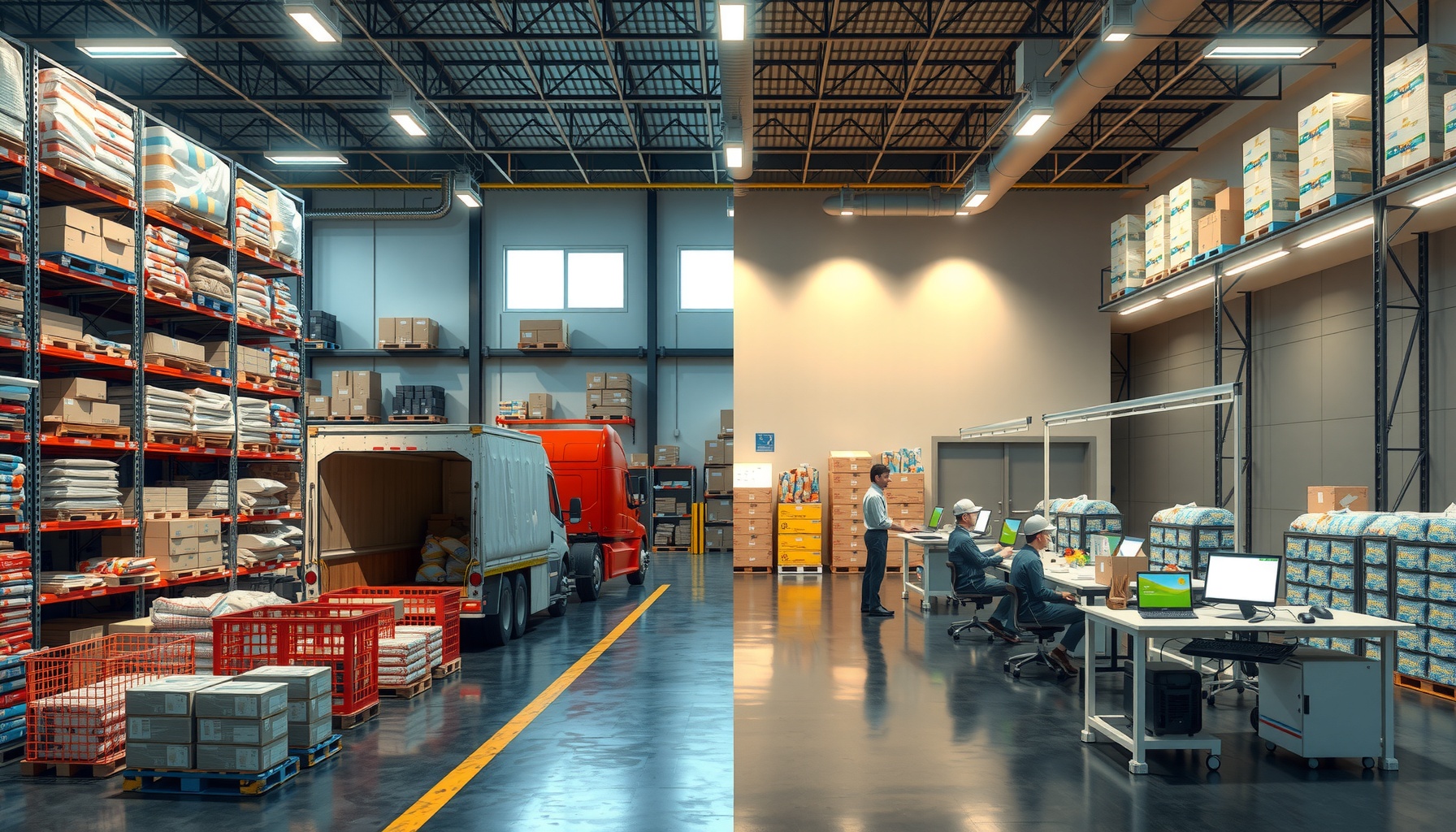
What is a Distribution Channel?
Distribution channels serve as the essential pathways for goods moving from manufacturers to end-users, facilitating product availability and customer access. Various types of distribution channels exist, including:.
- Direct distribution: Manufacturers sell directly to consumers, eliminating intermediaries.
- Indirect distribution: This approach involves intermediaries such as wholesalers and retailers to reach end-users.
- Digital channels: E-commerce platforms and social media have become increasingly important for reaching broader audiences.
- Hybrid channels: Combining traditional methods with digital initiatives enables a more comprehensive market reach.
Digital transformation has dramatically reshaped these distribution channels, enhancing logistics and streamlining order fulfillment processes. A notable example includes how Nike effectively integrates both online and physical stores, optimizing its distribution strategy through a seamless customer experience.
Role of Retailers in Supply Chain
Retailers exert significant influence over consumer purchasing decisions through various strategic practices. By creating inviting in-store experiences and positioning products thoughtfully, retailers can sway consumer choices effectively.
Influencing Consumer Behavior
Effective retailers engage customers with loyalty programs to foster brand loyalty and enhance retention. This engagement strategy plays an essential role in shaping consumer preferences and purchasing habits.
Importance of Inventory Turnover
Inventory turnover is a critical metric for retailers, as it affects cash flow and operational efficiency. High turnover rates indicate effective demand forecasting and inventory management, directly contributing to a retailer’s success. To optimize turnover, retailers should consider the following:.
- Regularly auditing shelf space to adapt to changing consumer preferences.
- Utilizing data analytics for product placement to ensure efficient customer access to desirable items.
Effective inventory management not only supports sales strategies but also enhances overall operational efficiency within the retail environment.
Distribution Channels and Retailers
- Direct distribution can reduce costs by eliminating intermediaries, allowing manufacturers to offer lower prices to consumers.
- Digital channels have seen a 20% increase in sales over the past year, highlighting the importance of e-commerce in modern distribution strategies.
- Retailers with high inventory turnover rates can improve cash flow by 30%, enabling them to reinvest in their operations more effectively.
- Customers are 70% more likely to return to a retailer that offers a robust loyalty program, showcasing the importance of customer engagement in influencing purchasing decisions.
How Manufacturers Choose Wholesalers
Choosing the right wholesalers involves several key considerations that can significantly impact a manufacturer’s success. Location is often prioritized, as proximity to key markets can drastically reduce transportation costs and improve product delivery efficiency.
A wholesaler positioned close to manufacturing sites enhances logistics, ensuring timely distribution.
A wholesaler’s market reach is another essential criterion; those with access to various market segments aid manufacturers in achieving broader market penetration.
The reputation and reliability of wholesalers play a crucial role; strong partnerships frequently arise from established industry relationships.
To build effective partnerships, manufacturers should foster open communication and conduct regular feedback meetings, which enhance mutual growth and strengthen their business model.
Exploring Bulk Purchasing Strategies
Realizing the benefits of bulk purchasing strategies can significantly enhance a business’s profitability. Volume discounts presented by suppliers are compelling incentives that encourage larger orders, ultimately improving cash flow.
By actively engaging in contract negotiation, organizations can secure substantial cost-per-unit savings, often achieving discounts of 10% to 20% based on order quantity.
Advantages of Volume Discounts
Volume discounts provide numerous advantages, including enhanced inventory management and improved customer retention strategies. These discounts enable businesses to make larger purchases at reduced prices, thereby creating economies of scale.
Such savings not only benefit the buyer but also encourage wholesalers to maintain competitive pricing in the market.
Disadvantages of Bulk Purchasing
While bulk purchasing offers advantages, it is important to recognize potential downsides.
Businesses face the need for significant upfront investment, which can lead to risks associated with excess inventory.
These risks may strain a company’s operational efficiency if not managed properly. Understanding seasonal trends in demand can help businesses optimize their bulk purchasing strategies.
Successful Negotiation Examples
A practical example can be seen in a retail chain that effectively utilized bulk purchasing to lower costs, resulting in both growth and enhanced relationships within its distribution network.
By negotiating better trade terms, the chain maximized its sales volume and improved turnaround time for order fulfillment.
Wholesalers and Bulk Purchasing
- Proximity to markets can reduce transportation costs by up to 30%.
- Negotiating volume discounts can lead to savings of 10% to 20% on bulk orders.
- Effective inventory management can increase operational efficiency by minimizing stockouts and overstock situations.
- Strong partnerships with wholesalers can enhance market reach and improve distribution effectiveness.
Logistics Behind Product Delivery
An efficient logistics strategy forms the foundation of successful product delivery. Key components to consider include:
- Inventory Management: Proper inventory management ensures adequate stock levels while minimizing excess. This directly affects supply chain efficiency.
- Transportation Methods: Selecting the right transportation methods can significantly impact delivery times and costs. Options may include road, rail, air, or sea for order fulfillment.
- Warehouse Operations: Streamlined warehouse operations support quick processing of orders, contributing to shorter lead times.
Technology plays an essential role in streamlining logistics processes. Implementing systems for:.
- Real-Time Tracking: Enables businesses to monitor shipments and manage logistics dynamically.
- Data Analytics: Offers insights into shipping patterns, helping reduce delays.
To optimize last-mile delivery efficiency, businesses should consider:
- Utilizing local distribution centers to shorten transit times, enhancing operational efficiency.
- Investing in advanced route optimization technology to decrease turnaround time.
Prioritizing these elements ensures an efficient supply chain and fosters solid customer relationships, ultimately leading to increased brand loyalty.
Evaluating Pricing Strategies in Distribution
Distribution channels greatly benefit from various pricing strategies which can enhance market position and drive sales. Common strategies include:
- Cost-Plus Pricing: This method involves adding a markup to the cost, ensuring consistent margins.
- Competitive Pricing: Setting prices based on competitors’ rates to attract cost-sensitive customers.
- Volume Discounts: Price reductions based on large orders encourage bulk purchasing and help secure long-term customer relationships.
Pricing significantly influences consumer behavior:.
- Transparent Pricing: Builds trust among customers, fostering a positive relationship.
- Psychological Pricing: Techniques like odd pricing can enhance perceived value and encourage purchases.
A notable example is how Amazon employs dynamically priced strategies based on real-time demand and competition, effectively improving its market share.
Choosing the right pricing strategy not only drives sales volume but also secures brand loyalty across distribution channels. Regular evaluation and adaptation of pricing strategies can ensure businesses remain competitive and responsive to market needs.
Logistics and Pricing Strategies
- Companies with optimized logistics can reduce operational costs by up to 20%.
- Real-time tracking can decrease delivery times by 10-15%, enhancing customer satisfaction.
- Implementing competitive pricing strategies can increase market share by attracting price-sensitive consumers.
- Volume discounts can lead to a 30% increase in order size, strengthening customer loyalty.
Importance of Inventory Management in Wholesaling
Effective inventory management significantly impacts wholesalers, directly influencing cash flow and overall operational efficiency. Maintaining optimal stock levels allows wholesalers to prevent capital from being tied up in excess inventory, often leading to cash flow issues.
Techniques such as demand forecasting and utilizing Just-In-Time (JIT) inventory systems enhance turnover rates, enabling businesses to respond swiftly to market demands.
Techniques for Improving Turnover Rates
Implementing strategies focused on turnover can be highly beneficial.
Consider the following methods:.
- Regularly auditing inventory to identify slow-moving items.
- Incorporating promotional strategies to accelerate inventory turnover, which in turn improves cash flow.
- Analyzing seasonal trends to optimize product assortment and align with market demands.
Tools for Effective Inventory Tracking
Utilizing digital inventory management tools, such as TradeGecko or Fishbowl, enables wholesalers to track stock levels effectively. These software solutions streamline processes, minimize errors, and enhance operational efficiency. Understanding customer needs is crucial when selecting the right tool for managing inventory.
Relationship Between Inventory Management and Cash Flow
Robust inventory management practices empower wholesalers to optimize their distribution channels while enhancing customer satisfaction and brand loyalty. Effective management not only improves cash flow but can also provide cost-per-unit savings through volume discounts, rewarding bulk purchasing and reinforcing supplier agreements.
Inventory Management
- Wholesalers can improve cash flow by reducing excess inventory, which often ties up capital.
- Implementing Just-In-Time (JIT) inventory systems can lead to faster response times to market demands.
- Regular inventory audits help identify slow-moving items, allowing for better decision-making and turnover.
- Digital inventory management tools can reduce errors and enhance operational efficiency, improving overall business performance.