
Embarking on a woodworking project involves a careful examination of various wood types. Oak distinguishes itself due to its durability and striking grain patterns, which make it an exceptional choice for diverse applications.
Indeed, oak’s resilience often surpasses that of numerous other species like pine and birch, particularly in high-traffic environments.
This article delves into the distinctive qualities of oak alongside other woods, aiding you in making informed decisions.
By the end, you will understand the essential factors—including cost-effectiveness and maintenance—that influence your choice in woodworking.
Click here to learn more about: www.globalvisioncompany.com
Hardwood vs Softwood: Key Comparisons
The wood selection process begins with a clear grasp of the differences between hardwood and softwood. Hardwoods, including oak and maple, typically possess greater density and strength, rendering them suitable for furniture and cabinetry.
Conversely, softwoods, such as pine and cedar, are lighter and more commonly utilized for construction and less durable applications. The density intrinsic to hardwoods not only boosts their durability but also enhances their performance in projects that demand longevity.
“Choosing the right wood is essential for achieving optimal results in any project. ”
When selecting wood for your project, consider the following:.
- Intended Use: Assess whether the application requires strength or flexibility.
- Budget Constraints: Weigh the overall costs, including sourcing and maintenance.
- Desired Aesthetic: Evaluate how the wood’s appearance fits into your design vision.
Ultimately, understanding the properties of both hardwoods and softwoods enables you to make choices that align with your project’s demands.
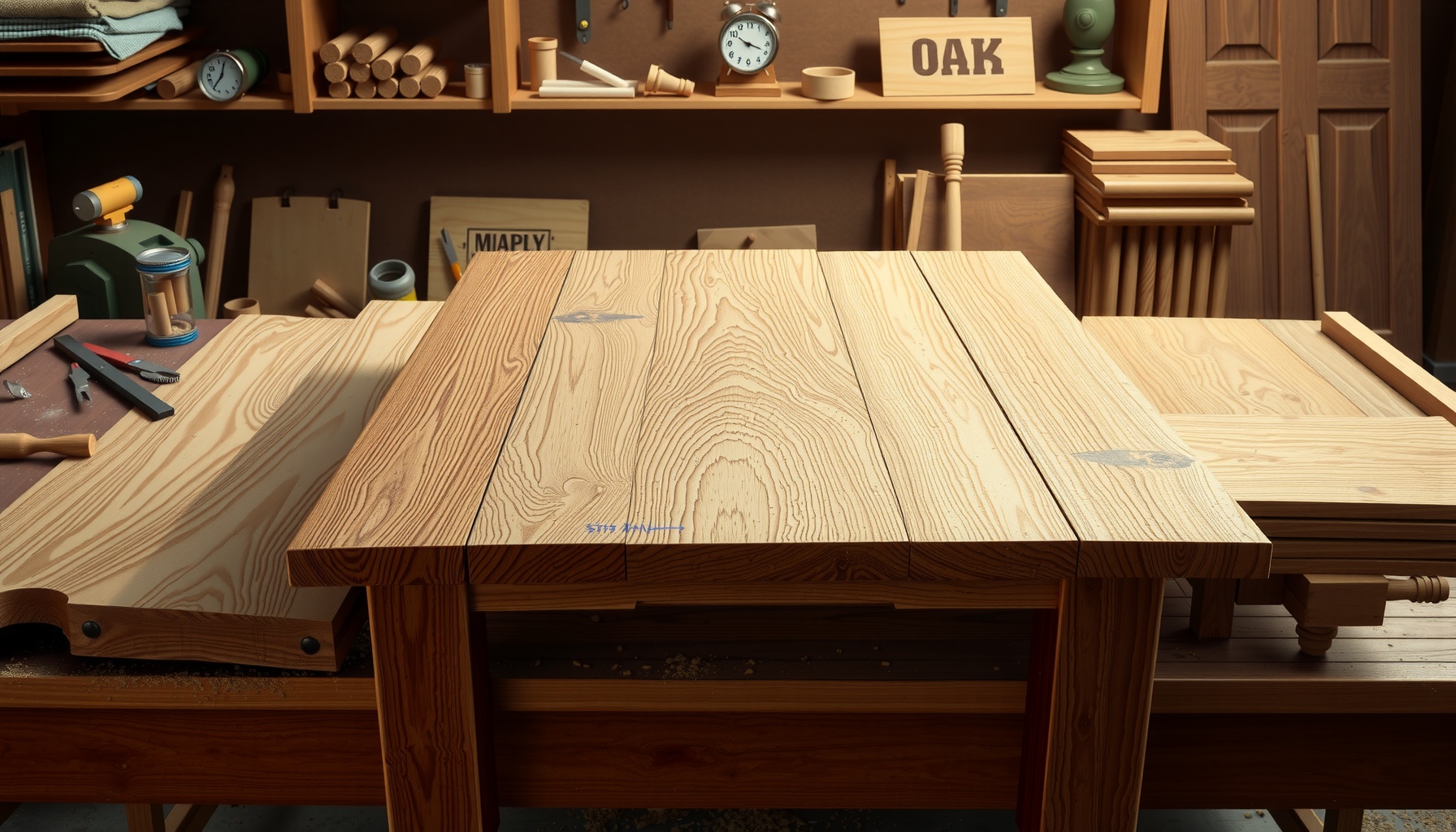
What Makes Oak Stand Out?
Renowned for its exceptional qualities, oak is a leading hardwood that captivates homeowners and craftsmen alike. Durability ranks high among oak’s attributes, as this resilient material withstands the test of time and resists wear and tear, making it a superb choice for high-traffic furniture and flooring.
The unique grain of oak, featuring distinct patterns and textures, contributes to its visual charm, enhancing any space with a touch of elegance.
Historically, oak has been synonymous with artisan craftsmanship, laying the groundwork for iconic furniture pieces.
To maintain the enduring beauty of oak, periodic re-oiling and gentle cleaning techniques are recommended to preserve its natural allure and finish.
Comparing Grain Patterns in Woods
Each wood type boasts its own set of grain patterns, significantly affecting its visual appeal and market value.
Exploring these variations is essential for making educated choices in furniture design. For example, oak features bold, pronounced grains, while walnut showcases a refined, subtle elegance that caters to different aesthetic preferences.
These differences not only enhance the aesthetic value of the woods but can also influence their pricing in the market. Current design trends are leaning towards unique grains, such as those found in reclaimed wood, inspiring innovative interior concepts.
Visualizing Grain Choices
Experimenting with wood samples is highly advisable, as it allows for better visualization of grain options in real-life contexts, especially under varying lighting conditions.
By using samples, one can appreciate how different wood grain patterns impact their overall design aesthetic.
This practice aids in making better-informed design decisions for cabinetry, flooring, and other design applications.
| Wood Type | Grain Pattern | Durability | Maintenance |
|---|---|---|---|
| Oak | Bold and pronounced | Highly durable, resists wear | Periodic re-oiling recommended |
| Walnut | Refined and subtle | Moderately durable | Regular cleaning suggested |
| Reclaimed Wood | Unique and varied | Variable durability | Depends on condition; may need refinishing |
How Does Durability Vary Among Woods?
The selection of wood influences not only aesthetics but also durability, which plays a significant role in overall project success. Different wood types exhibit varying lifespans impacted by environmental exposure and maintenance efforts.
For instance, hardwoods like oak typically demonstrate greater durability than softwoods such as pine.
Indoor settings, often featuring controlled climates, prolong wood life, while outdoor environments expose wood to moisture and UV rays, leading to accelerated decay.
To ensure longevity, proper maintenance is essential: hardwoods generally require less upkeep than softwoods.
Regular sealing and protective treatments can enhance the durability of outdoor wood. The Janka hardness scale serves as a useful guideline in selecting wood based on strength and durability requirements.
This measure aids in making informed decisions about suitable wood types based on their intended applications and expected environmental exposure.
Choosing the right wood type greatly impacts the longevity and performance of your projects.
Maintenance Tips for Different Wood Types
- Hardwoods like maple and walnut require minimal maintenance; occasional polishing suffices.
- Softwoods such as cedar and pine need frequent treatment to protect against the elements.
- Consider using wood stain and finishes to enhance moisture resistance and increase lifespan.
Exploring Cost-Effectiveness of Oak
Investing in oak, a renowned durable hardwood, provides significant long-term savings due to its resilience. This cost-effective choice not only reduces the need for frequent replacements but also minimizes repair expenses overtime. When analyzing the value of oak, it is important to evaluate its lifecycle compared with cheaper alternatives, as less durable woods may require premature replacement, leading to higher costs in the long run.
Effective budgeting for larger projects should consider both initial and long-term expenses, making oak a wise investment choice. Prioritizing oak not only ensures quality craftsmanship but also aligns with sustainable practices that benefit the environment.
Investing in durable materials ultimately results in better financial outcomes.
Wood Durability and Cost-Effectiveness
- Hardwoods can last up to 100 years or more with proper care, while softwoods may last only 10 to 30 years.
- Oak has a Janka hardness rating of around 1,360, making it one of the most durable hardwoods available.
- Regular maintenance of outdoor wood can extend its lifespan by 50% or more.
- Investing in high-quality wood like oak can save homeowners up to 30% on replacement costs over time.
Maintenance Tips for Different Wood Types
Effective maintenance strategies can greatly prolong the life of your wooden items. Hardwoods, including oak and walnut, usually need less frequent upkeep; however, they thrive with a consistent polishing regimen.
For instance, oak particularly benefits from a coat of wax every six months to maintain its durability.
In contrast, softwoods like pine require a more delicate touch.
Establishing a monthly cleaning routine with a gentle soap and water solution is essential to prevent scratches and dents. Using microfiber cloths and non-toxic wood cleaners will protect the finish.
A well-defined cleaning schedule—with weekly dusting and annual polishing—ensures lasting elegance and beauty.
Aesthetic Choices: Oak or Maple?
The selection between oak and maple significantly shapes the aesthetics of your projects. Grain patterns are distinctive, with oak exhibiting pronounced lines whereas maple provides a smoother texture for a modern appearance.
The color variations between these woods can create diverse design outcomes, where the darker hues of oak impart warmth, while the lighter shades of maple often convey a contemporary vibe.
Sustainability also varies; oak typically grows at a slower rate compared to maple, influencing their respective environmental impacts.
Combining these two woods can yield striking visual contrasts, making them ideal for a variety of applications, including cabinetry and flooring.
Wood Maintenance and Aesthetics
- Hardwoods like oak and walnut are more durable and require less frequent maintenance compared to softwoods.
- Regular polishing with wax can significantly enhance the longevity and appearance of hardwoods.
- Softwoods, such as pine, benefit from a gentle cleaning routine to avoid damage like scratches and dents.
- The choice between oak and maple can influence the overall design, with oak offering warmth and maple providing a modern look.
Environmental Impact of Wood Sourcing
Wood sourcing significantly shapes our approach to sustainability and environmental responsibility. Sustainable practices enhance cost-effectiveness while positively impacting ecological health.
Certification systems like the Forest Stewardship Council (FSC) are essential in advocating for responsible sourcing.
By ensuring that wood originates from forests managed sustainably, these certifications reduce the negative consequences of deforestation.
The Role of Certification Systems
Certification systems guarantee that wood, whether it be hardwood or softwood, meets stringent sustainability standards.
These certifications not only bolster consumer trust but also ensure adherence to ethical practices within the timber industry.
Choosing certified wood supports sustainable forest management and protects biodiversity.
Advantages of Local Sourcing
Local sourcing of woods such as oak and maple further minimizes emissions linked to transportation, hence significantly cutting down carbon footprints. Supporting regional economies becomes a byproduct of incorporating local materials, which promotes overall environmental stewardship.
Selecting Sustainably Sourced Woods
When selecting wood for your projects, prioritize options like reclaimed wood or certified hardwoods.
Consider the following tips for making informed decisions:.
- Check for reputable certification labels like FSC or PEFC.
- Choose local suppliers to reduce your carbon footprint.
- Evaluate the durability and maintenance needs of different wood types.
- Investigate the potential for volume discounts when purchasing in bulk to maximize cost-effectiveness while supporting sustainable practices.
This conscious choice benefits the environment and aligns with the rising consumer demand for sustainability.
Wood Sourcing and Sustainability
- Forests managed under sustainable practices can sequester up to 30% more carbon than those that are not.
- Certified wood products can reduce the risk of illegal logging by up to 50%, promoting ethical sourcing.
- Local sourcing can decrease transportation emissions by up to 25%, significantly reducing overall carbon footprints.
- Using reclaimed wood can divert over 5 million tons of waste from landfills annually, contributing to waste reduction efforts.