
Selecting the right furniture extends beyond mere aesthetics; it encompasses durability, style, and maintenance. Oak and maple are two leading contenders in the hardwood category, celebrated for their unique grain patterns and remarkable longevity.
Oak furniture often radiates a robust and traditional charm, while maple presents a smooth, contemporary appeal.
Recognizing these differences aids in finding the ideal fit for your home décor.
Let’s delve into the characteristics of each wood type and explore their strengths in aesthetics and functionality.
Click here to learn more about: www.globalvisioncompany.com
Comparing Durability of Oak and Maple
Durability remains paramount when selecting furniture. Oak furniture, renowned for its density, possesses a Janka hardness rating of 1360, rendering it resilient for heavy use.
In contrast, maple is slightly harder, rated at 1450, which makes it suitable for various furnishings. Regular usage is significant; oak’s strength is particularly advantageous for high-traffic items like dining tables and chairs.
Environmental Factors Affecting Longevity
Environmental factors such as moisture levels can impact both wood types significantly.
Furniture comparison with respect to durability involves considering how each wood reacts to humidity and temperature changes.
Tip: To assess durability before purchasing, conduct a simple scratch test with a coin or fingernail to gauge resistance, providing insight into the wood’s toughness and longevity.
Advantages of Oak and Maple
- Oak: Demonstrates strength and weight capacity, perfect for heavy-use furniture styles.
- Maple: Offers a modern appeal with smooth surface texture and versatility in color variations.
Whether choosing artisan furniture or custom furniture, both oak and maple have their own merits. These woods are often utilized in crafting living room sets, dining tables, and cabinetry, presenting unique finishing techniques to enhance their natural beauty.
Ultimately, the decision between oak and maple depends on your personal style, functionality needs, and the craftsmanship quality you seek in your furniture.
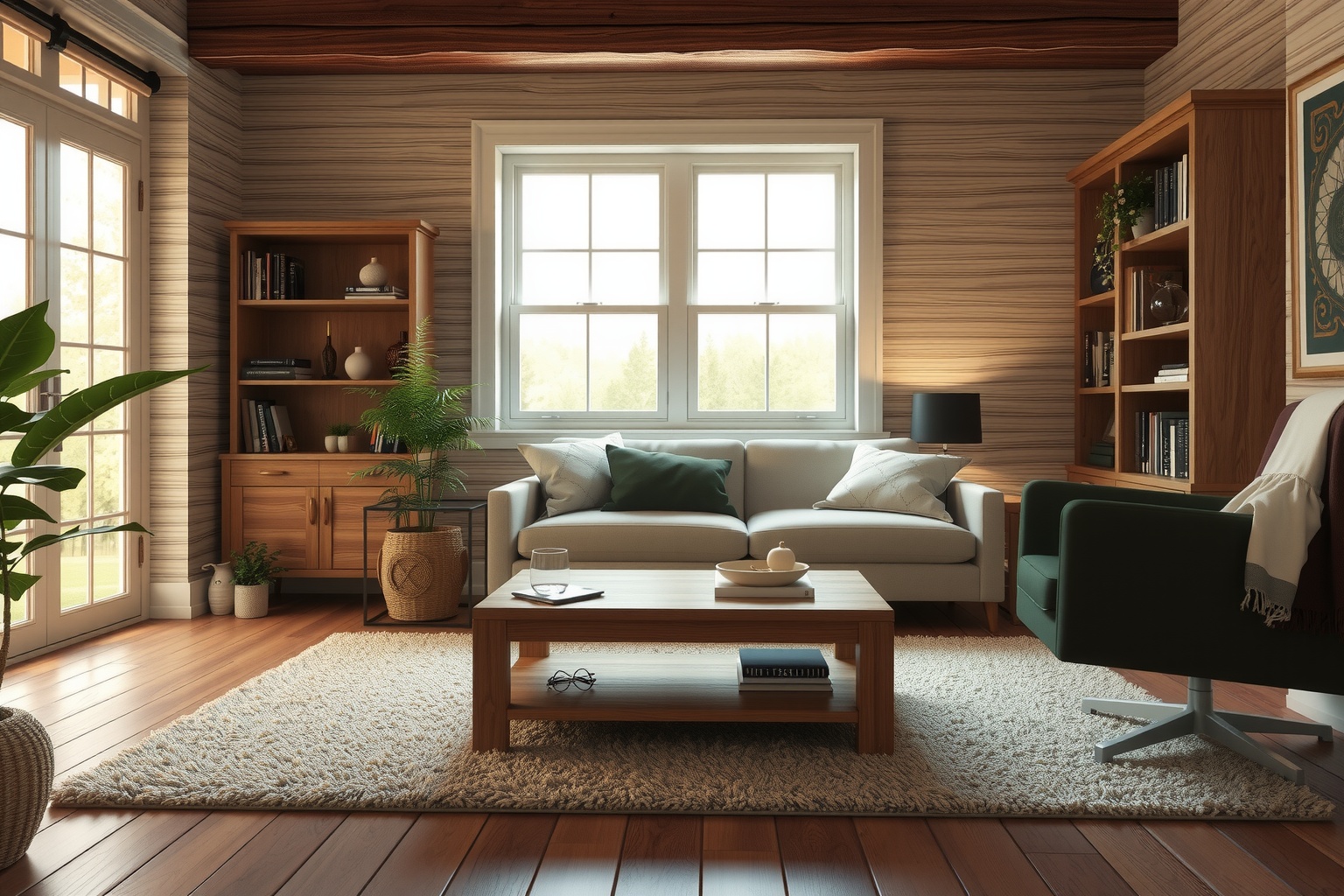
What Are the Aesthetic Differences
Visual characteristics play a pivotal role in distinguishing oak and maple, directly impacting interior design choices. Oak typically showcases warm tones, such as golden browns and deep, dark streaks, contributing significantly to its rustic appeal.
This texture variation, evident in its prominent grain, adds warmth to any room.
In contrast, maple features a lighter, blonde palette, often ranging from cream to light brown.
Its smooth grain texture provides a modern aesthetic, which is especially ideal for contemporary spaces. For instance, envision a kitchen that features oak cabinetry paired with a maple island countertop, creating a balanced contrast that merges rustic charm with modern elegance.
Understanding Grain Patterns in Wood
Grain patterns crucially influence the aesthetic appeal of furniture crafted from oak and maple.
Oak exhibits a distinctive open grain pattern with large pores and prominent lines, enhancing its rustic and traditional design. This uniqueness adds character to furniture pieces, appealing to those who favor a more traditional decor style.
Conversely, maple showcases a fine, tight grain that results in a smooth and uniform texture, perfectly complementing modern designs.
When selecting wood based on grain preference, consider oak for those desiring a strong character and maple for a sleek look that fits well in modern furniture.
Visiting showrooms allows buyers to experience these grain differences firsthand, which aids in informed decision-making regarding their furniture choices.
| Wood Type | Color Palette | Grain Pattern | Ideal Design Style |
|---|---|---|---|
| Oak | Warm tones (golden browns, deep streaks) | Open grain with large pores | Rustic and traditional |
| Maple | Lighter palette (cream to light brown) | Fine, tight grain | Modern and contemporary |
How to Match Furniture Styles
Choosing the right furniture can transform your living space. When selecting pieces, consider popular furniture styles that complement oak and maple.
Oak’s warm tones resonate with traditional and rustic aesthetics, providing a rich, inviting atmosphere.
In contrast, maple’s lighter hue harmonizes beautifully with modern and contemporary designs, offering a sleek and minimalist vibe.
Exploring the grain patterns of each wood type enhances your decor’s visual appeal. For example, pairing earthy upholstery with oak creates warmth, while soft pastels can brighten a space when combined with maple furniture.
Color matching is essential for achieving a cohesive style.
Key Furniture Styles to Consider
Different furniture styles offer unique aesthetics that can enhance your interior design. A traditional design featuring ornate details can beautifully showcase oak’s robust grain, while a contemporary style may highlight maple’s smoother surface texture.
When planning your space, consider how the various color variations of upholstery can enhance or contrast with the wood tones to achieve an inviting atmosphere.
Creating Cohesion in Design
Achieving a cohesive look requires thoughtful consideration of color matching between furniture and textiles.
Using shades that complement each wood’s natural hues contributes to a visually appealing environment.
Remember that oak pairs well with deeper, richer tones, while maple invites lighter, airy colors that enhance its brightness.
Maintenance Tips for Oak vs Maple
To maintain the beauty of your oak and maple furniture, specific care routines are essential. Regular cleaning is necessary; a soft cloth and mild soap should be used for maple to sustain its wood finish.
For oak, a damp cloth followed by a wax polish ensures longevity and luster.
Climate Control and Wood Durability
Climate control significantly impacts wood durability. Maintaining humidity levels around 40-60% prevents warping and prolongs the lifespan of your furniture.
Moisture resistance is critical for both wood types, as it affects overall furniture longevity.
DIY Remedies for Minor Scratches
If minor scratches mar your furniture, simple DIY remedies can help.
On oak, rubbing a walnut over scratches can effectively fill in dents.
For maple, a mixture of vinegar and olive oil offers a quick fix, restoring its original shine.
Proactive maintenance enhances the durability and visual appeal of both wood types.
Furniture Styles and Maintenance
- Oak furniture is known for its durability and ability to withstand heavy use, making it ideal for traditional and rustic settings.
- Maple’s light color and smooth texture make it a popular choice for modern designs, contributing to a clean and airy aesthetic.
- Regular maintenance, such as using a damp cloth for oak and a soft cloth with mild soap for maple, is crucial for preserving the wood’s finish and longevity.
- Maintaining humidity levels between 40-60% is essential to prevent warping and enhance the durability of both oak and maple furniture.
Exploring Color Variations in Furniture
The selection of color variations in furniture plays a significant role in interior design. Oak finishes often boast warm, golden hues, while maple, with its light and creamy shades, adds a sense of brightness to any space.
These wood finishes can dramatically influence the overall aesthetics of a room.
When discussing stains, the natural grain of oak becomes more pronounced, creating a rich texture, whereas the smooth surface of maple allows for a uniform and clean appearance.
To utilize color variations effectively, consider pairing darker oak furniture with lighter decor. This technique creates a striking contrast, enhances visual depth, and draws attention to the beauty of the chosen wood.
Enhancing Design with Color
Effective space planning can elevate your interior design.
Experiment with various finish types to see how colors interact with lighting and surrounding elements. Darker woods like oak can provide a rustic appeal, while lighter options like maple offer a more modern appeal.
When selecting a custom furniture piece, consider the overall interior design theme to ensure harmony throughout the space.
Strength and Weight Capacity Considerations
Assessing the strength and weight capacity of furniture provides essential insights for practical use.
Oak, renowned for its durability and sturdiness, typically supports heavier loads better than maple, making it ideal for shelving and substantial furniture applications.
For instance, oak shelving units often excel in strength, while maple works best for lighter items.
Conducting Load Testing Safely
To ensure safety and performance, conducting load testing is crucial. Begin by gradually adding weight to a piece of furniture, allowing you to gauge its maximum capacity without risking damage or injury.
This process is particularly important when considering furniture for high-traffic areas, ensuring both durability and stability. Remember, well-tested furniture often offers enhanced longevity and improves overall furniture longevity in the home.
Furniture Color and Strength
- Oak finishes provide warm, golden hues that enhance the aesthetic appeal of a room.
- Maple’s light and creamy shades contribute to a brighter atmosphere in interior spaces.
- Oak is known for its durability, making it suitable for heavy load applications, such as shelving units.
- Conducting load testing ensures furniture safety and stability, especially in high-traffic areas.
Customization Options for Unique Designs
Creating bespoke furniture pieces can be greatly enhanced by choosing oak and maple as your primary materials. Customization options allow you to showcase the unique grain patterns and color variations found in these hardwoods.
Personalizing your design enhances both the aesthetic appeal and functional characteristics of your furniture.
- Highlight the coarse grains of oak for a bold statement in your living room sets.
- Enhance maple’s delicate surface texture for intricate detailing on dining tables.
Collaborating with Artisans
Working closely with artisans can transform your vision into reality. Artisan craftsmanship leads to innovative designs that reflect your personal style while maintaining the wood’s natural beauty and durability. When selecting your custom furniture, consider discussions around construction methods and furniture longevity to ensure lasting quality.
Engaging artisans not only benefits the design but also supports family-owned brands and local woodworking communities. Their expertise in craftsmanship techniques can significantly enhance the appeal of heirloom pieces that align with timeless design trends.
Custom Furniture
- Oak is known for its strength and durability, making it ideal for long-lasting furniture.
- Maple is often praised for its smooth finish and resistance to wear, enhancing the longevity of pieces.
- Custom furniture can increase the value of your home, especially when crafted by skilled artisans.
- Supporting local artisans contributes to the economy and helps preserve traditional woodworking skills.