
When evaluating wood durability, selecting between oak and cherry wood impacts aesthetics and functionality. Have you ever noticed a scratch or dent on your wooden furniture? The strengths of these two types can significantly influence your decision.
Oak wood is renowned for its remarkable strength and durability, often making it the preferred choice for high-traffic areas.
Conversely, cherry wood, celebrated for its rich color variations and elegant aging, offers unique visual appeal, though it may not match oak’s longevity in various applications.
Both woods provide different benefits tailored to specific consumer preferences.
Click here to learn more about: www.globalvisioncompany.com
Hardwood Durability: Oak vs Cherry
The difference in hardwood durability between oak and cherry is striking. The Janka hardness rating shows that oak generally excels compared to cherry, providing enhanced resistance to scratches and dents.
For instance, oak’s structural integrity allows it to withstand high-traffic wear effectively over time.
Meanwhile, cherry wood develops a stunning patina that enriches its aesthetic appeal as it ages, giving it a unique charm.
While oak ranks highly against other hardwoods in terms of durability, cherry’s beautiful aging process adds a compelling factor to its lesser durability.
Choosing between these two materials often balances strength with desired aesthetics.
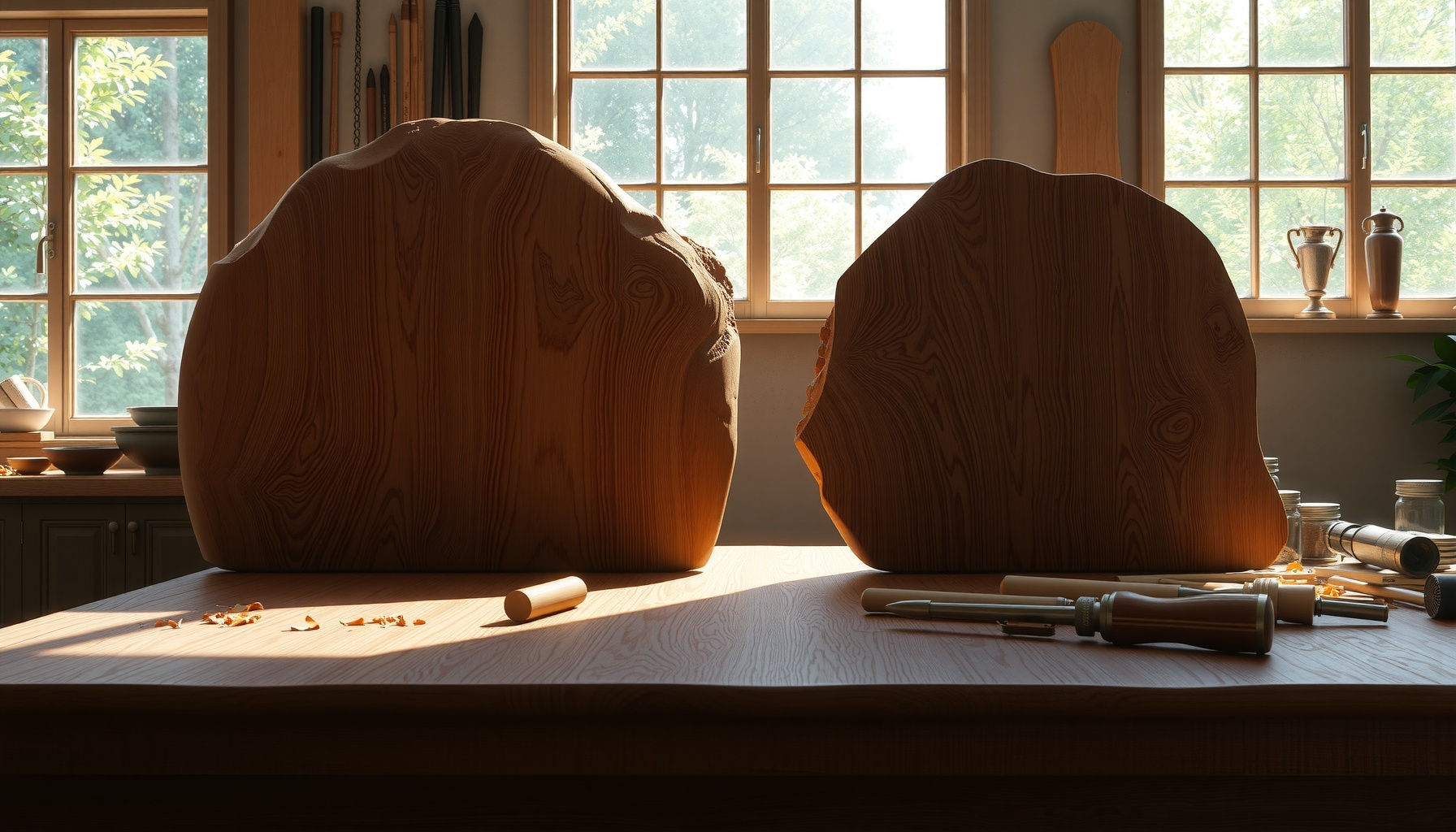
What Affects Strength of Each Wood
The strength of wood is influenced by several factors, including moisture content and density. Moisture levels have a direct impact on the wood’s structural integrity; damp wood is typically weaker than its dry counterpart.
The density of different species plays a significant role in determining overall strength, with denser woods generally displaying superior durability, making them ideal for applications in furniture and cabinetry.
To test wood strength at home, a straightforward method involves applying pressure to a sample piece and observing for any bending or cracking, which helps assess its suitability for various applications and overall performance.
Moisture Content
Wood’s moisture content is critical in assessing its strength.
High moisture content can lead to weakening and increased susceptibility to natural variations, while low moisture levels typically enhance strength.
Density and Species
Different wood species exhibit varying densities, affecting their strength and durability. Hardwoods tend to be denser and thus stronger, making them a popular choice for high-performance items.
Longevity of Oak Compared to Cherry
Comparing the longevity of oak and cherry reveals notable distinctions.
Oak is renowned for its natural resistance to pests and environmental factors, contributing significantly to its reputation for durability. This characteristic makes oak a preferred option for long-lasting furniture.
While cherry also offers durability, it may not endure wear as effectively, attributed to its relatively softer texture.
Care Techniques for Longevity
Proper maintenance can significantly enhance the lifespan of both oak and cherry.
Regular cleaning and the application of protective finishes are essential practices.
Paying attention to environmental conditions, such as humidity, can prevent the warping of both woods, ensuring their structural integrity and aesthetic appeal endure over time.
Comparative Durability
While oak tends to excel in durability, cherry’s elegance and visual appeal make it a popular choice. Evaluating these woods shows oak’s strength and resilience are unparalleled in certain applications, emphasizing the need for consumers to consider their specific requirements.
Wood Strength and Longevity
- Wood with high moisture content can lose up to 50% of its strength compared to dry wood.
- Oak has a density of approximately 75 g/cm³, making it one of the strongest and most durable woods available.
- Cherry wood, while aesthetically pleasing, has a lower density of about 50 g/cm³, resulting in less durability compared to oak.
- Regular maintenance, including cleaning and protective finishes, can extend the lifespan of both oak and cherry by several years.
Aesthetics and Visual Appeal Differences
The visual appeal of oak and cherry wood is influenced by distinct characteristics. Oak typically presents a lighter, yellowish tone, while cherry is celebrated for its rich, reddish hue.
These color variations greatly affect consumer preferences for furniture and cabinetry.
Grain patterns also contribute to these woods’ aesthetics; oak features prominent, open grains, whereas cherry has a smoother, tighter grain with subtle natural variations.
To enhance their visual appeal, explore finishing methods such as:.
- Staining: Adds depth and richness to color.
- Oiling: Enhances grain visibility while maintaining a natural look.
- Varnishing: Provides a protective coating with a glossy finish.
Proper finishing not only enriches the wood’s beauty but also adds a protective layer, improving longevity.
Grain Pattern: How It Affects Durability
Grain patterns are essential in determining the durability of oak and cherry wood. Oak’s coarse grain structure provides exceptional strength and wear resistance, making it ideal for high-traffic furniture applications. In contrast, cherry’s fine grain allows for a beautiful, smooth finish but increases susceptibility to scratching. Consider the following before selecting wood for specific projects:
Inspect Grain Patterns: Stronger and more pronounced grain often indicates better durability under stress.
By examining how grain affects performance, you can make informed decisions that ensure longevity in your structures and craftsmanship. The alignment of aesthetics and functionality is crucial when selecting materials.
Oak and Cherry Wood
- Oak wood is known for its durability and resistance to wear, making it suitable for high-traffic areas.
- Cherry wood develops a rich patina over time, enhancing its aesthetic appeal and value.
- Proper finishing techniques can significantly extend the lifespan of both oak and cherry wood products.
- The choice of wood can impact the overall design and functionality of furniture and cabinetry.
Maintenance Tips for Oak and Cherry
Proper care for oak and cherry wood enhances both longevity and visual appeal. Maintenance begins with routine cleaning.
For oak, regularly using a soft, damp cloth effectively removes dust, followed by a quick dry cloth to prevent moisture retention.
Cherry wood, known for its delicate grain pattern, requires a gentle approach; a microfiber cloth is best to avoid scratching.
Applying a high-quality wood conditioner on oak yearly helps maintain its finish and deepens color, while cherry benefits from a furniture wax application every six months to preserve its richness.
Tip: During winter, using a humidifier is highly recommended to prevent cracking, particularly in oak furniture, which is sensitive to low humidity levels.
Cost Considerations for Durable Wood Choices
Analyzing the cost implications of oak versus cherry is essential for informed buying decisions. While oak generally presents a lower initial cost, both hardwoods offer remarkable durability that increases their long-term value.
Investing in quality oak can yield comparable longevity to cherry, making it a cost-effective choice over time. Consider the following:
- Volume discounts on large orders can significantly lower costs.
- Local wholesalers often provide competitive pricing for bulk purchases.
- Online retailers may feature discounts on specific wood types.
For example, purchasing in bulk can lead to significant cost-per-unit savings. This creates a win-win situation for both the buyer and the supplier, enhancing cash flow management for the business.
Example: Negotiating supplier agreements can yield additional benefits, ensuring competitive pricing and customer retention strategies.
- Regular maintenance can extend the lifespan of oak and cherry wood furniture significantly.
- Using the right cleaning materials helps preserve the wood’s natural beauty and finish.
- Investing in quality hardwoods like oak and cherry can lead to long-term savings due to their durability.
- Bulk purchasing and negotiating with suppliers can result in substantial cost savings for consumers.
How Do Environmental Factors Influence Wood Performance
Environmental factors significantly impact wood performance, particularly for species such as oak and cherry. Humidity and temperature fluctuations can lead to varied reactions from these woods.
For example, oak generally showcases superior moisture resistance, making it well-suited for humid environments.
In contrast, cherry wood tends to absorb moisture, which can result in warping or cracking if not adequately maintained.
To effectively maintain wood integrity in changing climates, consider these practical solutions:.
- Utilize dehumidifiers or humidifiers to control moisture levels.
- Implement regular maintenance practices such as sealing and refinishing.
- Choose appropriate finishes to enhance the durability and aesthetics of your furniture and cabinetry.
Understanding the specific grain pattern and texture of each wood species can also guide effective usage. For instance, oak’s natural durability and stability rank it excellent for furniture in diverse environments, while cherry’s elegant color variation and hardness make it ideal for more refined applications.
Maintaining Wood Integrity in Various Climates
To ensure longevity while highlighting craftsmanship and elegance, consider the following:
- Regularly assess the environment in which your wood pieces reside.
- Opt for climate-specific staining and sealing products to enhance wear resistance.
- Monitor moisture levels to prevent potential structural integrity issues over time.
Strategically implementing these practices enhances not only the performance of wood in different environments but also supports sustainability by optimizing the lifespan of your wooden structures. Addressing environmental impacts effectively not only keeps the aesthetics intact but also ensures the market value of your wooden items remains high.
Wood Performance and Maintenance
- Wood can expand and contract with changes in humidity, affecting its shape and integrity.
- Regular maintenance can extend the lifespan of wooden furniture by preventing damage from environmental factors.
- Choosing the right finish can significantly improve wood’s resistance to moisture and wear.
- Understanding the characteristics of different wood species can help in selecting the right material for specific environments.