
Choosing the right type of furniture significantly influences your home’s overall aesthetic and functionality. Each wood type—mango and oak—offers unique characteristics that cater to various needs.
This comparison highlights their attributes, helping you make an informed decision that aligns with your lifestyle, preferences, and space.
Click here to learn more about: www.globalvisioncompany.com
Mango Wood Furniture Comparison
Exploring the material properties of both mango wood and oak reveals essential differences for buyers.
Both woods are regarded as sustainable materials, but mango wood comes from trees that have finished their fruit-bearing cycles, promoting eco-friendly harvesting practices.
In terms of wood durability, oak excels with its hardness, making it suitable for high-traffic furniture, while mango wood features stunning grain patterns that enhance aesthetic appeal.
Use Cases for Each Wood Type
When analyzing furniture styles, mango wood is often preferred for decorative pieces and accent furniture, injecting an exotic flair into your home. On the contrary, oak’s suitability for functional items such as dining tables underscores its durability and longevity.
To select the best option, consider your primary requirements—if uniqueness and character are essential, mango wood is an excellent choice; however, for durability and everyday use, oak stands out as the most pragmatic choice.
Environmental Impact and Sustainability
Both wood types offer eco-friendly options, but their impact varies slightly. Mango wood promotes sustainability due to its harvesting from fully grown trees, while oak, being a traditional hardwood, requires responsible sourcing to maintain its status as a renewable resource.
Thus, conscientious buyers should evaluate the environmental impact of their choices alongside personal style.
Final Considerations When Choosing Wood
Taking into account maintenance requirements is crucial for any furniture decision.
Mango wood requires less frequent upkeep due to its natural resistance to moisture and pests.
Conversely, oak, while durable, may need periodic refinishing to maintain its rich color tone and texture. Always weigh these aspects along with cost analysis to ensure your choice meets both your aesthetic desires and practical needs.
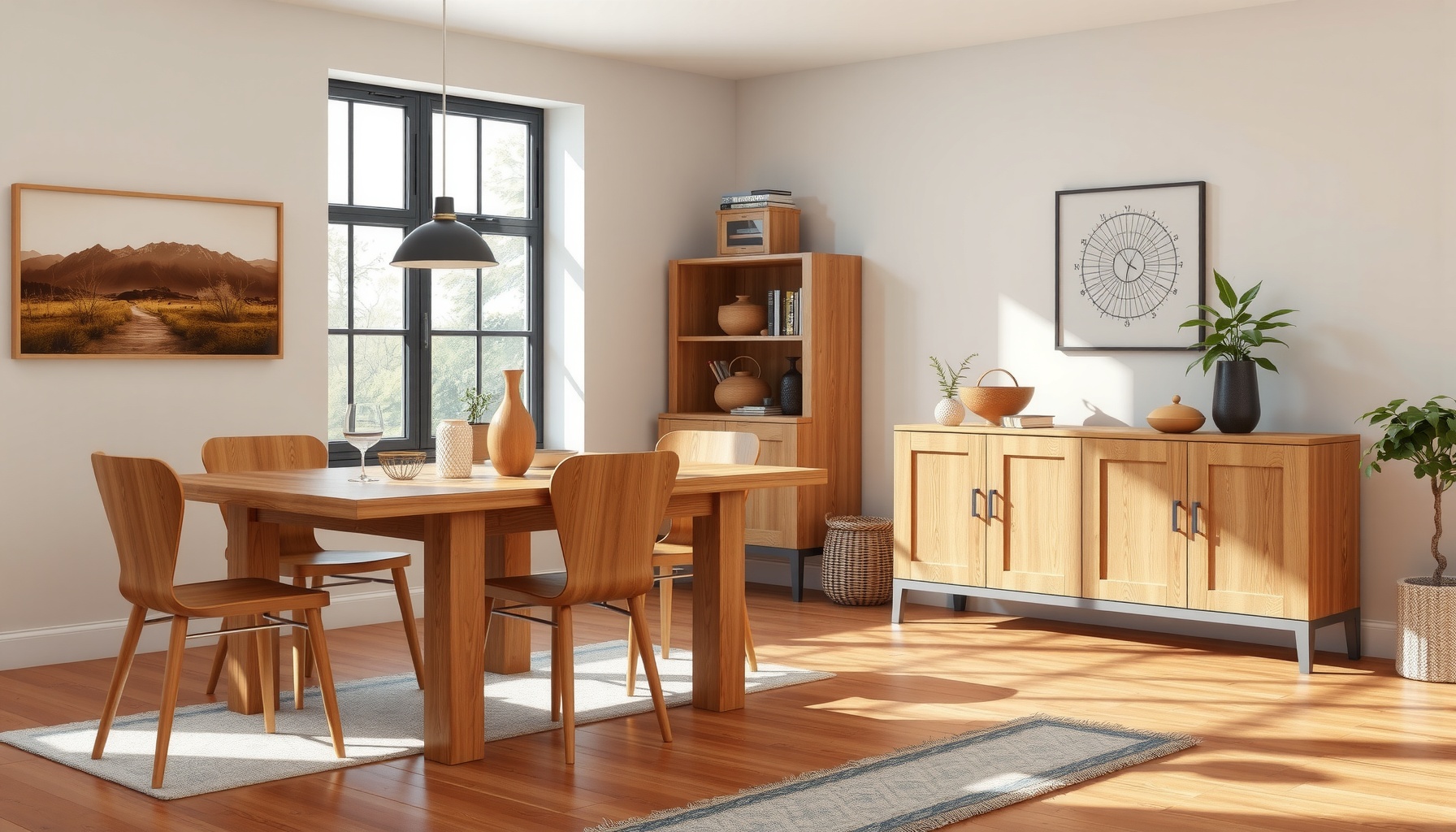
What are hardwood types available?
Selecting the right hardwood type is fundamental for achieving quality furniture that lasts. Popular hardwood options, each with distinct characteristics, include:
- Oak: Renowned for strength, this wood features a distinct grain pattern, making it perfect for heavy-use furniture during everyday interactions.
- Maple: Known for its smooth finish, maple is hard and resistant, ideal for cabinetry and furniture styles that require durability.
- Cherry: With rich coloration, cherry darkens beautifully over time, offering moderate durability and elegant aesthetic appeal.
- Walnut: Luxurious and visually stunning, walnut is softer than oak, requiring careful maintenance to ensure longevity in furniture design.
- Mango: A sustainable choice, mango presents varied appearances and moderate strength, impacting durability compared to traditional options across market demand.
Choosing the right hardwood type significantly affects furniture durability and overall design versatility. For further exploration, the https://www. fsc. org target=_blank>Forest Stewardship Council (FSC) website is a valuable resource for those interested in sustainable materials.
Understanding wood durability differences
The factors that influence wood durability are numerous and significant. Density, grain structure, and moisture content all affect a wood’s longevity, directly impacting its performance in varied furniture styles. Appropriate treatments or finishes can enhance durability, including:
- Varnish: This finish offers a protective layer that increases both water and scratch resistance, making it ideal for high-traffic areas.
- Oil Finishes: These finishes penetrate the wood, enhancing its natural beauty while providing improved durability for all wood species.
- Heat Treatments: This process modifies wood structure, boosting its resistance to pests and moisture, promoting greater longevity in construction methods.
Durability impacts the maintenance requirements of hardwood furniture significantly. Regular inspections and timely finishes can vastly extend your hardwood furniture’s lifespan and positive functionality. A practical tip for assessing wood durability is to drag a metal object across the surface; deeper scratches typically indicate softer wood species, affecting wear resistance and overall quality assurance.
Hardwood Types and Durability
- Hardwood species like oak and maple are often preferred for their strength and durability, making them ideal for furniture that endures daily use.
- Cherry wood is valued not only for its aesthetic appeal but also for its ability to age beautifully, enhancing the visual quality of furniture over time.
- Proper finishing techniques, such as varnishing and oil treatments, can significantly improve the longevity and maintenance of hardwood furniture.
- Density and moisture content are critical factors in determining the durability of wood, influencing its performance in various furniture applications.
Exploring Material Properties of Mango Wood
Mango wood stands as a favored choice for furniture design due to its unique characteristics. Lightweight yet durable, this wood possesses remarkable density that enhances its strength when compared to traditional hardwood types like oak.
Unlike oak, mango wood exhibits a finer grain, making it less prone to splintering and enhancing craftsmanship quality for intricate furniture pieces.
The rapid growth of mango trees, typically within 5 to 7 years, ensures an environmentally sustainable supply, mitigating pressure on other hardwood species.
This availability allows for diverse design versatility, supporting both contemporary aesthetics and rustic styles.
Distinctive Properties of Mango Wood
The unique material properties of mango wood contribute significantly to its popularity:
- Weight Considerations: Mango wood is lighter than oak, making it an excellent choice for furniture styles that require mobility.
- Color Tone: The vibrant hues inherent to mango wood offer a wide array of options for interior aesthetics.
- Durability: While mango wood is lightweight, it has considerable wear resistance, suitable for both indoor options and outdoor selections.
Environmental Impact and Sustainability
Due to the rapid growth of mango trees, this wood is considered a sustainable material and an eco-friendly option compared to slower-growing hardwoods. This characteristic supports greener sourcing strategies and aligns with modern design trends focused on sustainability.
Aesthetic Appeal of Oak Versus Mango
Choosing between oak and mango wood hinges on their distinct aesthetic appeal. While oak typically features a light to medium color tone with a consistent grain pattern, it attracts those who prefer traditional styles. Mango wood, in contrast, showcases vibrant hues and pronounced grain variations, making it ideal for bohemian and contemporary aesthetics. These aesthetic differences play a significant role in influencing customer preferences.
Grain Patterns and Visual Appeal
The intricate grain patterns of both woods impact their visual appeal:
- Oak’s Consistency: Its stable grain is appreciated in formal settings and classic designs.
- Mango’s Variation: The distinct variations provide unique decorative elements for modern and eclectic spaces.
Choosing Finishes for Each Wood
When considering wood finishes, both options require thoughtful selection. Applying a clear varnish enhances oak’s classic beauty, while a matte finish preserves the lively colors of mango wood, ensuring its unique characteristics shine through. Choosing the right wood finish is essential for achieving the desired functionality and style adaptability.
Mango Wood
- Mango wood is harvested from trees that grow rapidly, typically reaching maturity in 5 to 7 years.
- The wood’s lightweight nature makes it suitable for furniture that requires easy mobility.
- Mango wood features vibrant colors and unique grain patterns that enhance its aesthetic appeal in modern and eclectic designs.
- It is considered a sustainable choice, mitigating pressure on slower-growing hardwood species.
How do grain patterns affect design?
The influence of grain patterns on furniture design cannot be overstated. Unique wood species contribute to each piece’s individuality, with oak displaying a pronounced straight grain while mango presents swirling, dynamic patterns.
Design styles, including modern Scandinavian and rustic farmhouse, effectively leverage these grain characteristics to create desired visual effects.
Artisan techniques showcase how these unique grain patterns enhance furniture’s aesthetic appeal and deepen consumer perceptions of quality and craftsmanship.
Connecting Grain Patterns to Consumer Perception
Consumers often associate specific wood species with high craftsmanship quality, reinforcing their purchasing decisions.
For example, the intricate texture differences found in a mango wood table can evoke feelings of warmth and authenticity, whereas the straight grain of oak may be linked to durability and tradition. To further enrich the design, artisans can effectively incorporate varied grains within a single piece, employing mixed media designs that enhance design versatility while elevating the overall product charm.
This approach reflects contemporary aesthetics and offers unique storytelling in furniture design.
Cost analysis of mango vs oak furniture
Pricing strategies for furniture depend significantly on the wood species utilized. Understanding the factors that influence these costs is essential for consumers seeking budget-friendly options without sacrificing quality.
Mango, due to its abundance, typically presents lower price points compared to oak, which often commands higher prices based on its perceived durability and longevity.
Market demand directly affects the cost dynamics between these hardwood types.
Factors Influencing Price Differences
- Availability: Mango wood is more readily sourced, leading to lower pricing.
- Durability: Oak’s reputation for longevity contributes to its higher cost.
- Market Trends: Consumer preferences shift, influencing demand and pricing strategies.
Understanding these disparities allows consumers to make informed choices and explore budget-friendly options without compromising on quality.
Finding Affordable Quality Options
To discover unique pieces at favorable prices, consumers should consider exploring local artisans or second-hand markets. These venues often feature distinctive grain patterns while presenting cost-effective alternatives to traditional retail offerings. By engaging with local suppliers and artisans, buyers can uncover hidden gems that reflect both craftsmanship quality and competitive pricing.
| Wood Species | Price Level | Durability | Availability |
|---|---|---|---|
| Mango | Lower | Moderate | High |
| Oak | Higher | High | Moderate |
Maintenance Requirements for Different Wood Types
Understanding the maintenance requirements for various wood types is crucial for ensuring furniture longevity. Mango wood and oak, both popular choices, exhibit distinct care needs that affect their aesthetic appeal and durability.
Mango wood requires a gentle approach; using a damp cloth and mild soap keeps its texture differences looking fresh.
Regular cleaning helps prevent dirt buildup, while avoiding harsh chemicals is essential for preserving its natural finish.
For optimal care, dusting with a soft cloth is highly recommended.
Caring for Oak Furniture
Oak, a robust hardwood renowned for its grain patterns, demands regular maintenance to enhance its longevity. Wiping with a clean cloth and applying polish every few months boosts its shine and protects the wood grain’s stability.
Keeping oak furniture out of direct sunlight aids in preventing fading over time, ensuring a timeless appearance.
Long-Term Maintenance Costs
When evaluating long-term maintenance costs, mango wood generally incurs higher expenses due to its softer nature and the need for more frequent care compared to oak. Therefore, it’s wise to factor in these maintenance strategies when making a purchase.
A practical tip for both hardwood types is to regularly check for scratches.
Using touch-up markers helps maintain their craftsmanship quality and decorative features while preserving their functionality and style.
Wood Maintenance
- Mango wood requires gentle cleaning with a damp cloth and mild soap to maintain its texture.
- Regular polishing of oak furniture every few months enhances its shine and protects its grain.
- Keeping oak furniture out of direct sunlight prevents fading and preserves its appearance over time.
- Mango wood typically incurs higher long-term maintenance costs due to its softer nature compared to oak.