
Choosing the right material for furniture can significantly enhance your home decor. Increasingly, mango wood has gained popularity, standing alongside the classic choice of oak.
Discovering the ideal selection for your personal style and functional needs can be overwhelming.
This article delves into the durability, aesthetic appeal, and maintenance requirements of these two wood species to guide your decision-making process.
Click here to learn more about: www.globalvisioncompany.com
Mango Wood vs Oak: Durability Comparison
Durability should always be a primary consideration when selecting furniture that endures through time.
Oak is renowned for its remarkable strength and resilience, often regarded as the go-to choice for those seeking longevity. Conversely, mango wood, while still durable, may exhibit signs of wear, often influenced by the finishing techniques applied and its subsequent maintenance.
When exploring lifespan, oak typically lasts for several generations with appropriate care, while mango wood demands mindful upkeep to sustain its aesthetic appeal.
Factors Influencing Durability
- Wood Species: Oak is classified as a hardwood, known for its density and tough grain. Mango wood is softer yet offers commendable durability.
- Environmental Impact: Mango wood is often sourced sustainably, making it an ecofriendly option compared to oak.
- Warping Resistance: While oak displays excellent warping resistance, mango wood can be prone to deformation without proper care.
- Maintenance: Regular maintenance, including periodic staining and polishing, is necessary to preserve the natural beauty of both wood types.
Long-Term Considerations
When analyzing your furniture options, think about how craftsmanship and design impact your choice. Oak’s timeless appeal often aligns with traditional furniture styles, while the unique grain patterns of mango wood offer a distinctive charm that can complement various design aesthetics. With the right wood finish, both options provide visual warmth and elegance.
Ultimately, selecting between mango wood and oak hinges on individual preferences for style compatibility and usage plans. Whether for indoor furniture or outdoor furniture, understanding the material properties of each species ensures you make an informed decision that suits your lifestyle.
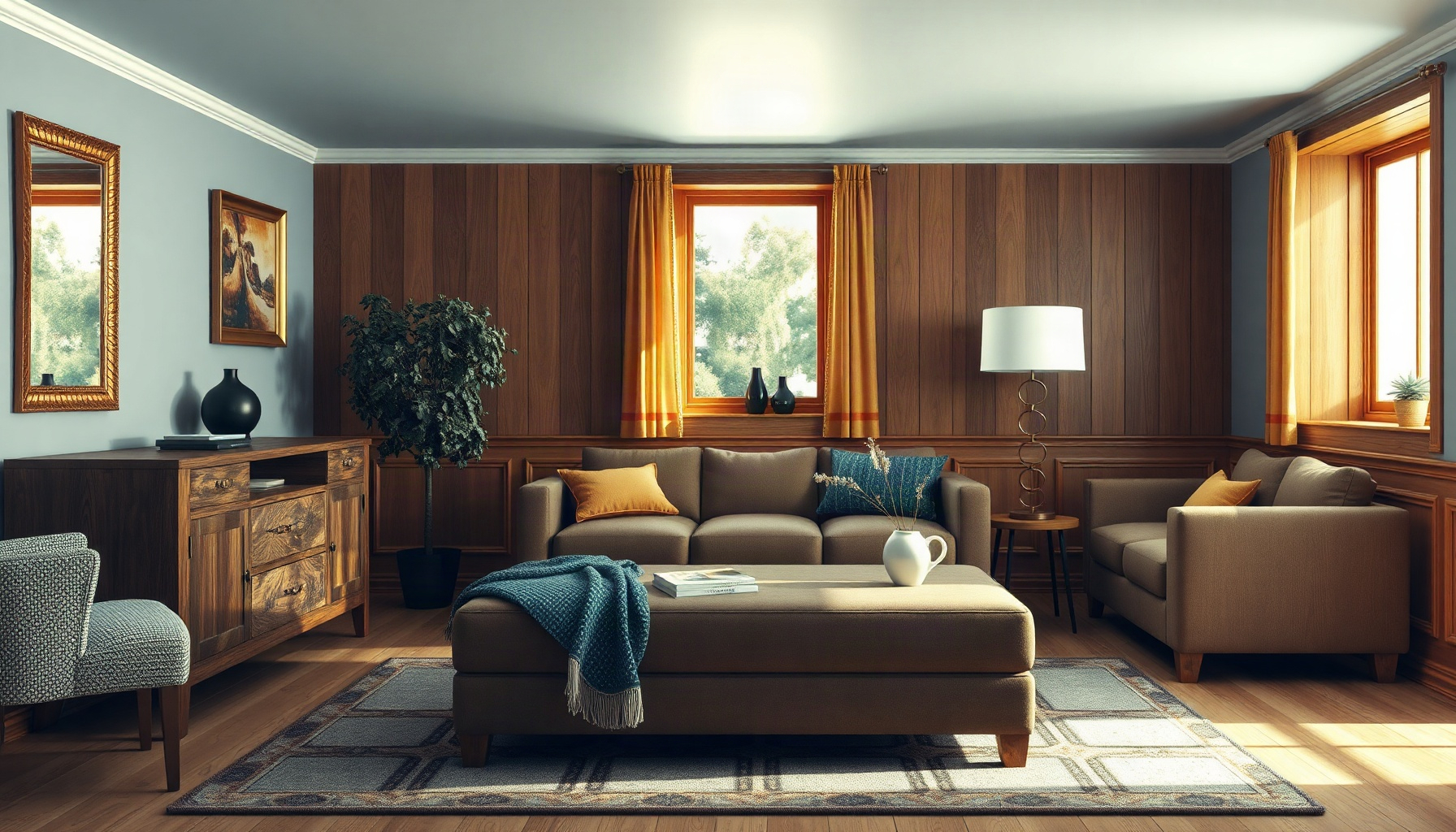
Grain Patterns in Mango and Oak
The distinct grain patterns of mango and oak reveal the unique characteristics of these beloved hardwoods in woodworking. Mango wood showcases striking grain variations, often highlighted by vibrant, swirling colors that enhance its aesthetic appeal.
In contrast, oak is esteemed for its consistent and stable grain, providing a timeless elegance ideal for traditional designs.
While mango’s textures offer a smooth, tactile experience, oak’s pronounced grain provides a more textured surface.
This contrast invites designers to make thoughtful choices when selecting wood for furniture, influencing both the overall aesthetics and functionality of home furnishings.
Key considerations in this comparison include:.
- Durability: Both wood species are known for their strength and longevity.
- Grain Variation: Mango features more pronounced variations compared to oak.
- Texture: Oak’s surface is more textured, while mango is smooth.
- Aesthetics: The visual appeal of each wood can greatly influence design choices.
Ecofriendly Aspects of Mango Wood Furniture
Mango wood furniture significantly contributes to environmental sustainability. Sustainable sourcing practices for mango wood often involve the management of fruit plantations, minimizing deforestation and promoting biodiversity. This ecofriendly choice helps reduce waste by utilizing timber that would otherwise be discarded from the fruit industry.
The environmental benefits of choosing mango wood furniture are noteworthy:.
Benefits of Sustainable Sourcing
- Support Local Economies: Purchasing mango wood promotes the livelihoods of local artisans.
- Healthier Ecosystems: Sustainable practices enhance biodiversity and soil health.
- Reduced Environmental Impact: Choosing mango wood furniture reflects a commitment to eco-conscious living.
As consumer choices shift, opting for mango wood furniture represents a dedication to sustainability and responsible purchasing. This commitment not only aligns with the growing demand for ecofriendly products but also showcases the natural beauty and craftsmanship of mango wood.
Mango and Oak Wood
- Mango wood is often sourced from trees that are no longer productive for fruit, reducing waste.
- Oak wood is traditionally used in high-quality furniture due to its durability and resistance to wear.
- Mango wood can feature unique color patterns that make each piece of furniture one-of-a-kind.
- Both mango and oak woods are renewable resources when sourced responsibly, supporting sustainable forestry practices.
Price Range: Mango vs Oak Furniture
Mango wood furniture typically offers an attractive price point, appealing to budget-conscious homeowners. The average price range for mango furniture falls between $300 and $1,500, providing versatile options for various consumer choices.
Oak furniture, known for its durability and timeless design, often commands higher prices, ranging from $500 to $2,.
This reflects its popularity and craftsmanship within the market.
Market trends indicate a growing interest in sustainable sourcing of mango wood due to its ecofriendly characteristics, making it an appealing option for environmentally conscious buyers. While oak remains a classic choice, its availability can significantly influence pricing.
Ultimately, evaluating the durability and aesthetic appeal of both options is essential for making informed purchasing decisions that reflect true value for money.
Maintenance Tips for Mango and Oak Furniture
Proper care and maintenance are essential for preserving the beauty of mango and oak furniture over time. For mango wood, utilizing a soft, damp cloth combined with mild soap for cleaning ensures that harsh chemicals do not damage the wood finish.
Oak wood, celebrated for its strength and resilience, requires regular dusting and the application of a specialized wood cleaner to maintain its luster.
Applying a protective sealant is an effective strategy to enhance the longevity of both materials.
To prevent warping, avoid exposing furniture to direct sunlight or extreme temperatures. Regularly rotating decorative items minimizes discoloration, allowing your furnishings to retain their natural beauty, showcasing their unique wood characteristics.
| Furniture Type | Price Range | Maintenance Tips |
|---|---|---|
| Mango Wood | $300 – $1,500 | Use a soft, damp cloth with mild soap for cleaning |
| Oak Wood | $500 – $2,500 | Regular dusting and use of specialized wood cleaner |
Aesthetic Appeal: Which Is More Stylish?
Choosing between mango wood and oak furniture involves a deep dive into design compatibility. The modern aesthetic often leans toward mango wood, prized for its striking grain patterns that add visual interest to any space.
In contrast, oak brings a timeless quality that aligns seamlessly with traditional settings.
Color options serve as another distinguishing factor; mango wood features vibrant hues that can enliven a room, while oak offers rich, warm tones that embody classic elegance.
Home furnishings integration is simplified with both materials, as each wood complements a range of décors—from rustic charm to industrial chic. By artfully combining these woods, homeowners can create a visually dynamic contrast, elevating the overall style and enhancing the aesthetic appeal of their interiors.
Strength and Resilience of Both Woods
Evaluating the structural integrity of different wood types showcases varying performance levels.
For instance, oak typically demonstrates superior durability, making it an excellent option for environments experiencing heavy use. When discussing load capacity, oak furniture consistently withstands greater weight without sacrificing structural integrity.
On the flip side, mango wood surprises many with its resilience, presenting an ecofriendly choice without compromising strength.
Performance under stress remains a key consideration; both woods can endure everyday strains, yet oak often excels in scratch resistance and wear.
When selecting the ideal wood, one must delve into each variety’s material properties, ensuring longevity and dependable use.
Key Considerations for Wood Selection
- Durability: Oak generally offers unmatched durability for high-traffic areas.
- Grain Variation: Mango wood provides unique grain patterns that enhance visual appeal.
- Maintenance: Understanding specific maintenance needs helps preserve the beauty of both woods.
- Ecofriendly Options: Selecting responsibly sourced mango wood supports sustainability efforts.
Conclusion
Ultimately, the choice between mango wood and oak centers on personal style and functional requirements. Both woods embody their own strengths and offer distinctive design qualities that cater to varied tastes and needs.
Mango Wood and Oak
- Mango wood is known for its vibrant hues and unique grain patterns, making it a popular choice for modern aesthetics.
- Oak is recognized for its superior durability and strength, making it ideal for high-traffic areas and heavy use.
- Both types of wood can be integrated into various design styles, enhancing the aesthetic appeal of interiors.
- Mango wood is an ecofriendly option, supporting sustainability when sourced responsibly.
Craftsmanship in Mango and Oak Furniture
Each furniture piece crafted from mango and oak woods embodies a unique story that reflects the skill of the artisans. Artisan techniques are fundamental in this narrative, showcasing the quality and distinctiveness of every item.
Employing traditional methods like hand-carving and meticulous joinery enhances not only the durability but also the aesthetic appeal of the furniture.
By leveraging the natural characteristics of both woods, artisans create distinctive designs featuring unique grain patterns that enrich the charm of each piece.
Appreciating these craftsmanship elements elevates our understanding of the beauty and longevity of mango and oak furniture.
These materials’ inherent properties, such as warping resistance and strength, make them ideal for everyday use.
Every handcrafted item represents a commitment to timeless design and environmental impact considerations. Through their artistry, craftsmen not only create functional pieces but also heirloom-quality treasures that can be cherished for generations.
Design Uniqueness and Aesthetic Appeal
The unique design of mango and oak furniture offers versatility that complements various interior design styles.
With an array of color options and grain variation, these woods cater to different consumer choices, enhancing the aesthetic appeal of any space. Crafted with an eye for detail, the wooden textures bring warmth and character, making them ideal for both indoor and outdoor furniture settings.
The craftsmanship displayed in these designs ensures that each piece supports a sustainable lifestyle while remaining affordable.
As trends in furniture styles evolve, the enduring qualities of mango and oak maintain their relevance.
Whether for homes or commercial spaces, the handcrafted nature of these products speaks to a commitment to excellence and sustainability.
Through careful wood sourcing and innovative construction techniques, artisans continue to redefine what it means to create quality furniture.
Mango and Oak Furniture
- Mango wood is known for its durability and resistance to warping, making it ideal for furniture.
- Oak wood’s strength and timeless appeal contribute to its popularity in both traditional and modern designs.
- Handcrafted furniture pieces often feature unique grain patterns that enhance their aesthetic value.
- Artisans prioritize sustainable practices in wood sourcing, supporting environmental considerations in furniture production.