
Oils play a fundamental role in oak maintenance, as they truly enhance the natural beauty of the wood. Natural oils, including linseed oil and tung oil, deeply penetrate the grain, enriching the surface while providing a protective barrier.
These oils not only beautify your furniture but also extend its longevity by preventing moisture intrusion.
An effective oil treatment creates a moisture barrier, resisting warping and deterioration.
For the best results, opt for a maintenance oil that ensures shine and revitalization, keeping your oak vibrant for years to come.
Click here to learn more about: www.globalvisioncompany.com
Choosing the Right Wood Finish
Selecting the right finish for your oak is essential for achieving a stunning outcome. Eco-friendly oils offer sustainable options that also deliver effective surface protection against wear.
It’s important to consider compatibility with various wood types to ensure the finish interacts well with your oak. A perfect blend of aesthetics and durability is key, as a water-resistant finish can provide both beauty and protection.
Key Factors to Consider
- Environmental Impact: Choose eco-friendly oils that minimize your carbon footprint.
- Compatibility: Assess how different finishes work with various wood types.
- Aesthetics vs. Durability: Strive for a balance that enhances both the look and lifespan of your furniture.
Application Tips for a Flawless Finish
For a smooth application, utilize a high-quality brush and consider the following:.
- Apply Thin Coats: Multiple thin coats allow for better absorption and a uniform finish.
- Optimal Conditions: Ensure the area is well-ventilated and free from dust to achieve the best results.
- Technique: Use long, even strokes to prevent drips and achieve a consistent appearance.
By paying attention to these considerations, you can successfully enhance the beauty and durability of your oak wood with the right oils and finishes.
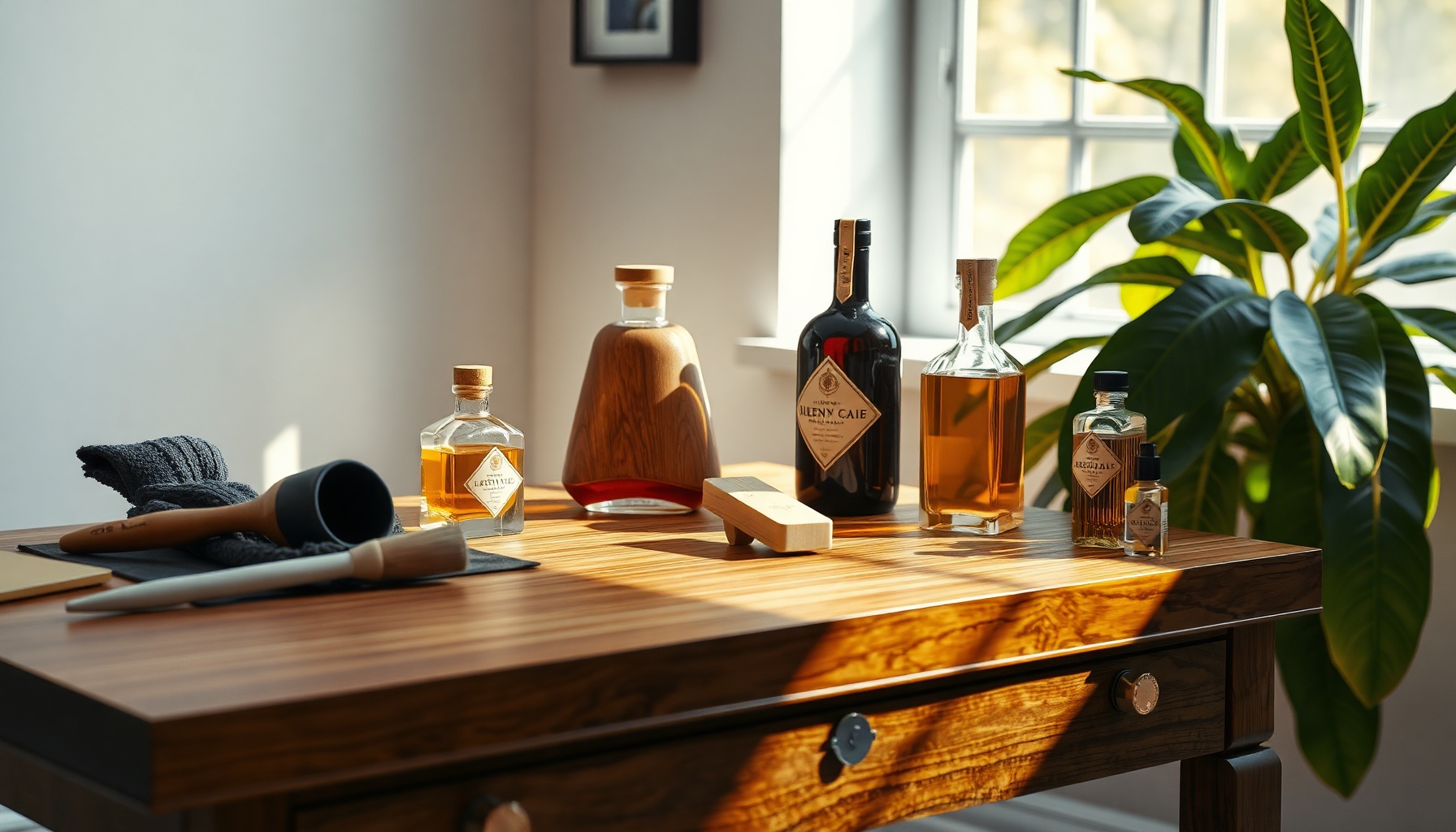
Benefits of Linseed Oil for Oak
Linseed oil, utilized for centuries in woodworking, offers exceptional protection and aesthetic enhancement for oak surfaces. This natural oil significantly improves grain visibility, highlighting the intricate patterns of oak through its deep absorption and silky finish.
To achieve the best results, apply a few thin layers using a clean, lint-free cloth, ensuring that coverage is even.
Each layer should have a proper drying time, typically ranging from 24 to 48 hours, before applying the next.
Regular maintenance, ideally every 6 to 12 months, is essential for oak maintenance, keeping your pieces nourished and visually appealing.
How Tung Oil Enhances Durability
Tung oil emerges as a formidable choice for wood preservation techniques, primarily due to its inherent resistance to water and mold. This oil effectively creates a protective barrier that ensures enhanced durability and longevity of wooden surfaces.
For proper application, spread tung oil in a thin, even layer using a brush, allowing time for the oil to penetrate before adding more coats. Surfaces like kitchen countertops and outdoor furniture particularly benefit from this treatment, enduring wear and tear with grace.
With its ability to fend off spills while improving overall aesthetics, tung oil delivers a robust and visually appealing water-resistant finish.
| Oil Type | Benefits | Application Method | Maintenance Frequency |
|---|---|---|---|
| Linseed Oil | Enhances grain visibility and aesthetic appeal | Apply thin layers with a lint-free cloth | Every 6 to 12 months |
| Tung Oil | Provides water and mold resistance | Spread in thin, even layers with a brush | As needed, depending on wear |
Mineral Oil for Deep Conditioning
For a sustainable approach to wood care, mineral oil serves as an exceptional solution for deep conditioning. This versatile oil penetrates wood fibers, effectively conditioning surfaces and enhancing their durability.
By creating a moisture barrier, mineral oil helps retain essential moisture, preventing drying and cracking.
It’s advisable to reapply mineral oil every 3 to 6 months to maintain optimal longevity, watching for signs like a dull appearance that indicate the need for more oil.
Perfect for kitchenware and cutting boards, this food-safe oil treatment not only protects but also enhances the wood’s natural beauty.
Benefits of Mineral Oil
- Offers excellent surface protection for kitchenware.
- Enhances the aesthetics of wood through revitalization.
- Provides an eco-friendly and non-toxic finish.
- Serves as a reliable moisture barrier against cracking.
Natural Oils for Oak Maintenance
Exploring the exquisite properties of natural oils contributes significantly to effective oak maintenance. Oils such as linseed oil and tung oil bring distinctive benefits, enhancing the grain while providing durability against wear. Mixing these oils can lead to customized solutions, allowing for a tailored approach to maintenance.
Properties of Natural Oils
- Linseed oil: Known for its strong preservation properties.
- Tung oil: Renowned for providing a water-resistant finish.
Seasonal Maintenance Schedule
To achieve the best maintenance results, consider a seasonal application schedule, ideally in spring and fall, to align with optimal conditions. By being mindful of weather considerations, you ensure that these oil treatments provide the necessary longevity for your oak surfaces. Tracking which oils work best for your specific needs can enhance product longevity and overall effectiveness.
Wood Care
- Mineral oil is a popular choice for maintaining kitchenware due to its food-safe properties.
- Natural oils like linseed and tung oil are favored for their ability to enhance wood grain and provide long-lasting protection.
- Regular maintenance, such as reapplying oils every 3 to 6 months, is essential for preserving wood surfaces.
- Seasonal applications of oils can optimize their effectiveness based on weather conditions.
Effective Wood Conditioner Applications
Achieving a polished appearance on your projects often begins with the right wood conditioner. This product is essential for maximizing the effectiveness of stains by facilitating even absorption and reducing blotchiness.
Selecting the appropriate conditioner based on the wood type is key.
For instance:.
- Water-based conditioners are ideal for lighter woods.
- Oil-based treatments work exceptionally well with denser varieties.
Testing a conditioner on scrap wood before application is an effective strategy; it guarantees that the final color meets your expectations while preventing potential mistakes. Overall, these effective applications enhance aesthetics and significantly prolong the durability and lifespan of your wood.
What is Protective Coating for Oak
Protective coatings play a pivotal role in ensuring the longevity and beauty of oak furniture. Various types of coatings, including polyurethane, varnish, and lacquer, offer distinct advantages that enhance wood performance. These coatings serve as a moisture barrier, effectively preventing damage from spills and scratches. Here are some important points to consider:
Regular maintenance ensures that the protective coating remains effective and prolongs the life of your oak furniture.
Knowing the optimal time to reapply coatings is essential for maintaining protection. Preparing the surface properly before each reapplication can greatly enhance adhesion and effectiveness. This knowledge helps in preserving the aesthetics of your oak for many years to come.
Wood Conditioning and Protective Coatings
- Wood conditioners can reduce the risk of uneven stain application, ensuring a uniform finish.
- Oil-based finishes provide a more durable surface for high-traffic furniture items, such as tables and chairs.
- Regular maintenance, including reapplication of protective coatings, can extend the lifespan of oak furniture by several years.
- Proper surface preparation before applying coatings significantly improves adhesion, enhancing the overall effectiveness of the protective layer.
Tips for Oil Treatment and Preservation
Effective oil treatments are essential for maintaining the beauty and resilience of oak wood. Regular oil applications not only enhance the wood’s aesthetics but also provide essential moisture barriers that significantly improve longevity.
Linseed oil and tung oil are preferred choices due to their renowned deep conditioning properties and protective coating abilities.
Tip: Ensure you have quality oils on hand for optimal results.
A well-organized checklist for oil treatment supplies is crucial for success.
Gather natural bristle brushes, lint-free rags, and fine-grit sandpaper. These tools will help in achieving a smooth and effective application.
A compelling case study highlights a well-maintained oak dining table, showcasing stunning results.
Consistent oil treatment preserved its beauty and structural integrity over the years, demonstrating how proper care can rejuvenate and revitalize wood.
Note: Regular application transforms oak’s lifespan, ensuring enduring aesthetics and enhanced durability.
Remember, investing time in regular oil treatment not only protects the wood but also fosters a nurturing environment for your furniture.
Through dedicated maintenance oil practices, you will promote clear oil absorption, enriching the wood grain while preventing stains and promoting a glossy finish.
- Linseed oil and tung oil are known for their ability to penetrate deeply into wood, providing long-lasting protection.
- Regular oil treatment can extend the lifespan of oak wood furniture by preventing drying and cracking.
- Using natural bristle brushes and lint-free rags ensures an even application, enhancing the wood’s appearance.
- Proper oil application can create a moisture barrier, protecting the wood from environmental damage and stains.