
Choosing the right hardwood for your furniture entails evaluating its durability. Both oak and cherry wood have earned acclaim for their resilience and strength.
This article delves into the differences in durability between oak and cherry wood, guiding you toward a well-informed choice for your home.
Insights on wear and tear resistance and natural aesthetics play critical roles in your furniture investment.
Click here to learn more about: www.globalvisioncompany.com
Oak Wood Durability
Characterized by remarkable durability, oak wood stands as a top contender in traditional furniture design.
Its natural moisture resistance significantly reduces the risk of warping, ensuring a long lifespan across diverse environments. The density of oak contributes to its strength, offering excellent resistance to pests that threaten its structural integrity.
This wood species enjoys widespread popularity among artisans and consumers due to its reliable resilience.
Key Features of Oak Durability:
- Moisture Resistance: Protects against warping and decay.
- Pest Resistance: A natural defense against insects.
- Density: Provides strength and stability in various conditions.
To further enhance the longevity of oak, consider applying protective coatings or high-quality sealants. These treatments offer added protection against moisture infiltration, ensuring your furniture stands the test of time while maintaining its beautiful, natural finish.
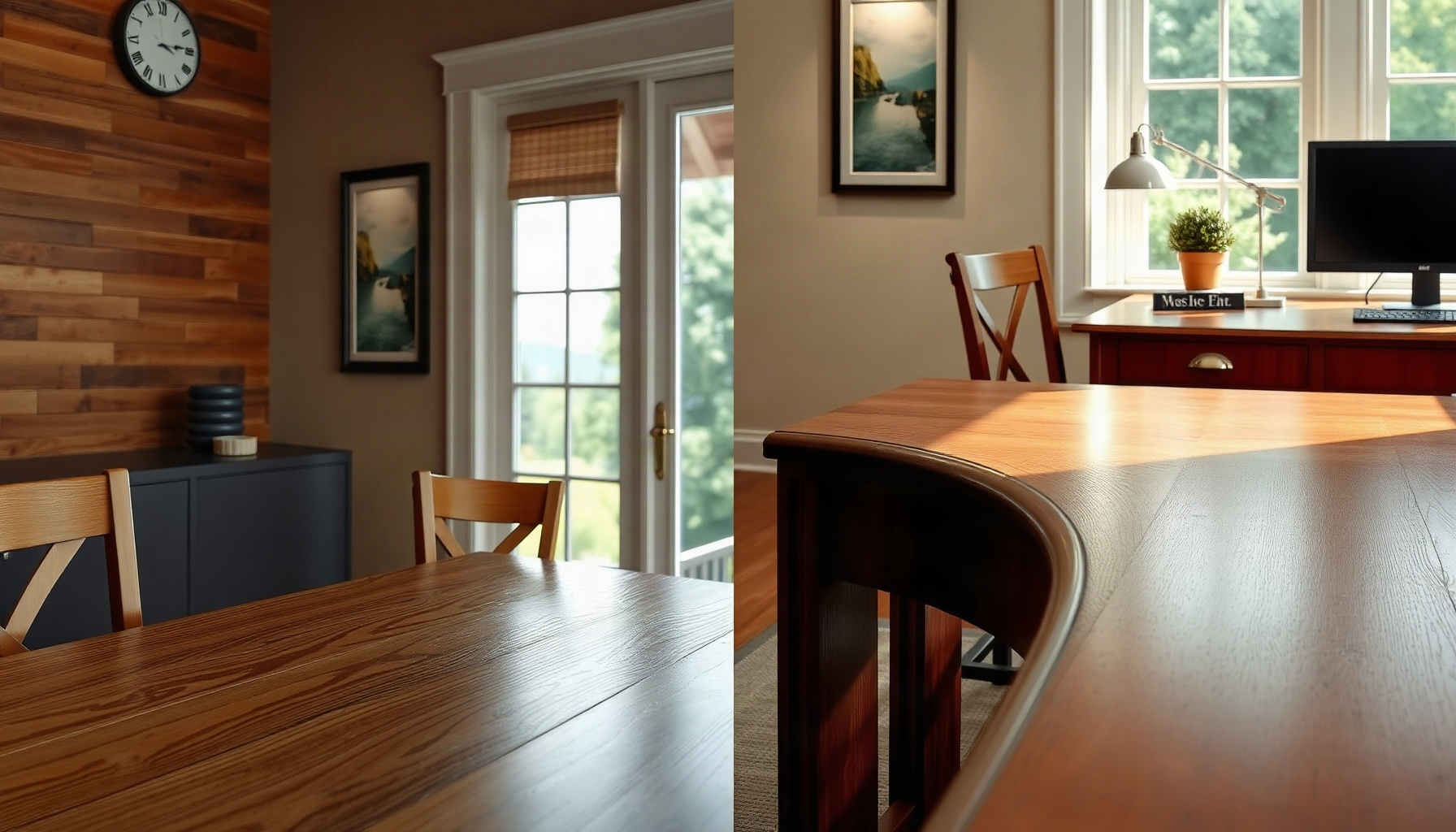
How Does Cherry Wood Compare?
The contrast between cherry wood and oak highlights the unique characteristics of each. Cherry wood showcases a rich and warm color that intensifies with age, creating a visual appeal that becomes more pronounced over time.
This addition of character is particularly evident in furniture pieces, where cherry’s beauty often surpasses other woods.
Oak is renowned for its robust durability, making it more suitable for heavy-duty applications.
Cherry’s softer nature limits its use in structural furniture, yet it excels in decorative pieces and fine cabinetry, where its elegance and traditional charm truly shine.
Emphasizing the aging process of cherry wood is essential for buyers to truly value its long-term visual appeal.
Factors Influencing Wood Strength
Strength plays a significant role in the longevity and durability of furniture.
The grain structure of cherry and oak greatly influences their overall strength and aesthetic appeal.
Moisture content is another critical factor; wood that has been properly dried is less likely to warp or crack over time.
Treatments such as chemical or heat applications can significantly enhance the resilience and stability of hardwoods, ensuring they are more reliable for various applications.
Different wood species exhibit different behaviors under stress, affecting their performance in furniture design.
Common testing methods, like bending or compression tests, help assess wood strength effectively.
The results of these tests provide insight into the structural integrity necessary for reliable furniture.
By considering these elements, craftsmen can create pieces that not only withstand the test of time but also maintain their beauty through consistent maintenance.
Wood Characteristics and Strength
- Cherry wood develops a deeper color and character as it ages, enhancing its visual appeal in furniture.
- Oak is known for its exceptional durability, making it ideal for heavy-duty furniture applications.
- Proper moisture content in wood is crucial to prevent warping and cracking, ensuring longevity.
- Testing methods such as bending and compression tests are essential for assessing the structural integrity of different wood species.
Exploring Grain Patterns and Longevity
The choice of wood species significantly impacts the beauty and strength of your furniture. Grain patterns add an aesthetic dimension while indicating durability and resilience.
For example, oak’s pronounced grain not only enhances visual appeal but also signifies its robust structure.
When opting for visible projects, prefer hardwoods that showcase appealing grain variations, ensuring both beauty and longevity.
Tight, uniform grains typically indicate superior strength, allowing your furniture to endure wear and tear while serving as a focal point in your home decor.
Choosing the Right Wood Species
Selecting the appropriate wood species is crucial for achieving both aesthetic and functional goals. Look for options like cherry and oak, which offer stability and beauty.
The moisture resistance of hardwood like cherry also contributes to the longevity of your pieces.
Understanding Grain Patterns
Grain patterns vary widely across different wood species, each contributing uniquely to the overall design. A well-defined grain can offer more than just beauty; it provides insight into the structural integrity of the wood.
This makes it essential to consider grain patterns when investing in custom furniture.
Maintenance Tips for Lasting Furniture
To ensure your wooden furniture maintains its beauty, a commitment to regular maintenance is essential.
Regular cleaning significantly extends the lifespan of your pieces, as accumulating dust and grime can damage finishes.
Opt for wood-safe cleaners designed to protect the finish while preserving its natural luster. Conditioning your furniture with oil-based treatments helps prevent cracking, especially in dry climates.
Protective Finishes
Applying protective finishes creates an effective barrier against stains and scratches.
A well-chosen finish can enhance the beauty of the wood while expanding its functional versatility.
Practical Maintenance Schedule
Adopting a practical maintenance schedule can help uphold both the aesthetic appeal and structural integrity of your beloved furniture. Here’s a recommended routine:
- Monthly: Dusting to prevent buildup
- Quarterly: Conditioning to retain moisture
- Yearly: Deep cleaning to refresh the natural finish
By following these maintenance tips, your furniture will not only retain its elegance but also stand the test of time.
Wood Furniture
- Hardwoods like oak and cherry are known for their durability and resistance to wear and tear.
- Well-defined grain patterns not only enhance aesthetics but also indicate the structural integrity of the wood.
- Regular maintenance, including dusting and conditioning, can significantly extend the lifespan of wooden furniture.
- Protective finishes can enhance the beauty of wood while providing a barrier against damage from stains and scratches.
Cost Comparison of Oak and Cherry
The cost comparison between oak and cherry wood reveals significant differences that impact both aesthetics and economic factors. Oak, a widely utilized hardwood, generally benefits from abundant supply and sustainable sourcing efforts, resulting in a more accessible price point.
Cherry, however, often commands a higher price due to its limited availability and sought-after visual appeal.
Various factors contribute to the overall cost, including sourcing and treatment processes.
The treatments applied to both woods—such as stains, protective coatings, and natural finishes—can greatly influence the final price.
High-quality finishes not only enhance durability and longevity but also add to the wood’s value in the market.
While the initial investment in hardwoods may differ, evaluating their long-term market value is essential for making informed purchasing decisions.
For budget-conscious consumers, exploring alternatives such as reclaimed wood or lesser-known hardwoods can be a viable option without compromising on the aesthetic quality of furniture design. Consider the following tips:
- Look for suppliers who offer volume discounts on bulk purchases.
- Investigate local woodworking shops that may have cost-effective options.
- Research the availability of engineered wood for specific applications.
Ultimately, making a thoughtful decision regarding the choice between oak and cherry involves considering not only the initial cost but also the enduring beauty and longevity of the material.
- Oak wood prices typically range from $3 to $8 per board foot, while cherry can range from $5 to $15 per board foot.
- Cherry wood is often favored for its rich color and smooth grain, making it a popular choice for high-end furniture.
- Reclaimed wood can be a cost-effective alternative, often providing unique character while being environmentally friendly.
- High-quality finishes can increase the market value of both oak and cherry, making them more appealing to consumers.