
When selecting wood for various projects, understanding the differences between oak and pine can significantly impact functionality and aesthetics. These two types of wood are frequently chosen for furniture, flooring, and cabinetry, each offering distinct properties that cater to different needs.
- Applications: Oak is favored for high-end furniture, whereas pine excels in budget-friendly options.
- Durability: Oak is celebrated for its remarkable strength and resistance to wear and tear.
- Aesthetics: Pine features a lighter color and texture, appealing to those who prefer a rustic charm.
Click here to learn more about: www.globalvisioncompany.com
Oak vs Pine: What are the Differences?
Distinct features of oak and pine influence their suitability for various projects. Oak, classified as a hardwood, delivers exceptional strength and a dense wood grain, making it a premier choice for fine furniture and cabinetry. Its diverse color and unique grain patterns contribute to its allure. Conversely, pine stands out as a softwood, recognized for its lighter weight, enhancing usability and ease of handling. This characteristic translates into lower maintenance requirements, making it ideal for those seeking affordability.
Strength and Durability
The durability of oak plays a significant role in its application for long-lasting pieces. Its ability to resist decay and withstand heavy use establishes oak as a go-to choice in construction and woodworking. Pine, while not as robust, still offers decent durability, especially in low-stress environments, making it suitable for various indoor applications.
Cost and Affordability
The cost related to oak is generally higher due to its density and the time taken to grow. Pine, however, operates at a lower price point, attracting budget-conscious consumers. This affordability allows larger projects to incorporate pine without compromising on quality.
Maintenance and Finishing
Maintenance requirements differ between the two. Oak can be more demanding regarding finishing techniques such as sealing and varnishing, while pine often requires simpler maintenance routines. Both woods can be treated with stains, oils, or resin to enhance their aesthetics and prolong their lifespan.
Applications in Woodworking
Applications of oak and pine reveal their strengths in different contexts. While oak is frequently utilized in high-end projects, such as bespoke furniture and quality cabinetry, pine is commonly used in a variety of settings from rustic décor to children’s furniture.
Both oak and pine showcase unique qualities that influence woodworking choices. A visual comparison chart depicting attributes such as weight, hardness, and cost could further aid consumers in making informed decisions.
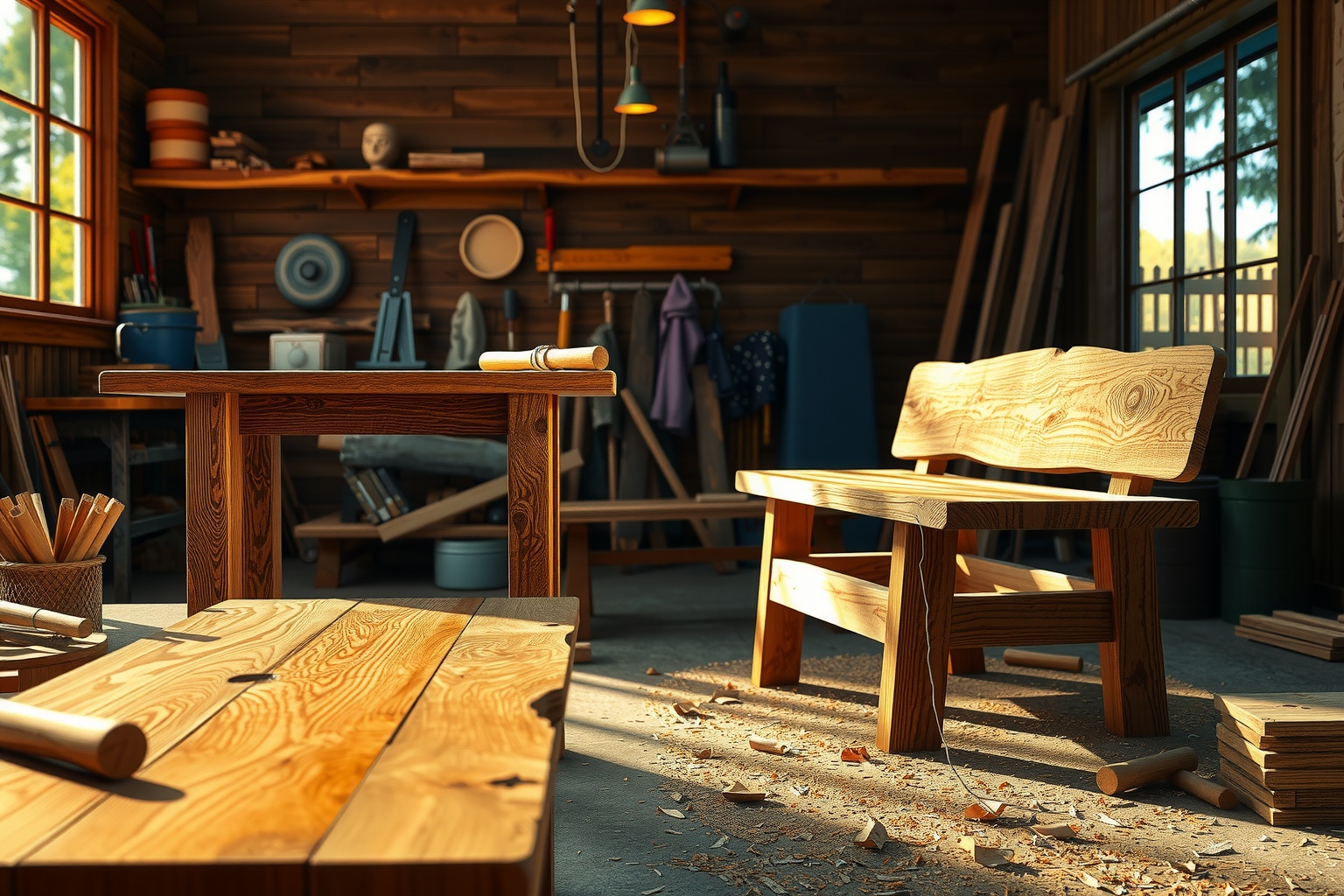
Hardwood vs Softwood Characteristics
Selecting the appropriate material in woodworking requires a solid grasp of hardwood and softwood distinctions. Hardwoods, like oak and maple, boast significant durability and intricate grain patterns, which makes them perfect for high-quality furniture and cabinetry.
Softwoods, such as pine and cedar, are typically lighter in weight and are widely used in construction and outdoor applications due to their natural resistance to decay.
- Hardwood applications: Ideal for premium furniture, cabinetry, and flooring.
- Softwood applications: Frequently seen in framing, fencing, and crafting.
To identify hardwoods in person, seek out denser, heavier pieces accompanied by intricate grain patterns. Softwoods can be recognized by their lighter weight and simpler grain structures, which are more susceptible to denting. This knowledge enhances your choices in various applications and projects.
How Does Wood Grain Affect Appearance?
The wood grain of each material significantly influences its visual appeal. For example, oak offers a pronounced grain that enriches texture, making it suitable for both rustic and contemporary styles. Pine, conversely, has a subtler grain that contributes to a softer, more casual look ideal for cottage-style settings.
Selecting Finishes for Wood Grain
Choosing the right finishes involves considering the interaction between finishing techniques and the wood grain. Oil-based finishes tend to amplify the color and texture of oak, while water-based finishes are perfect for preserving pine’s light tone.
Always conduct tests on scrap pieces to understand the finishing impact, ensuring the desired appearance is achieved for your projects.
Tip: When applying finishes, opt for products that complement the natural beauty of the grain pattern to enhance overall aesthetics.
Hardwood and Softwood
- Hardwoods typically come from deciduous trees, which lose their leaves annually, while softwoods come from coniferous trees that usually remain evergreen.
- Hardwoods are generally denser and more durable than softwoods, making them suitable for furniture that undergoes heavy use.
- Softwoods are often more affordable and easier to work with, making them a popular choice for DIY projects and construction.
- The finishing process can greatly enhance the natural beauty and longevity of both hardwoods and softwoods, depending on the techniques used.
Evaluating Durability: Oak or Pine?
Choosing the right wood for your projects often comes down to factors like moisture resistance and durability. Oak typically outperforms pine in high-moisture environments, rendering it suitable for areas vulnerable to decay.
Pine, with its lighter weight, excels in applications where temporary structures are involved, offering flexibility in design.
To assess durability effectively, employing methods such as the scratch test can help gauge surface resilience, while a water resistance test allows you to observe the effects over time.
Analyzing wear and tear in furniture versus construction applications also helps determine the best wood choice for your specific project requirements.
Real-World Testing Scenarios
When examining durability in practical applications, consider various scenarios:
For instance, oak often lasts longer in outdoor furniture due to its density and resistance to moisture. Alternatively, pine might serve well in indoor projects, where lower moisture levels permit its use without excessive risk of decay.
By implementing tests and observing the outcomes in real-world conditions, you can make informed decisions based on empirical evidence.
Strength Comparisons Between Oak and Pine
Evaluating the strength of oak and pine provides insight into their respective suitability for diverse projects. Oak’s high density and compressive strength position it as an ideal choice for load-bearing applications, ensuring long-lasting performance and durability.
Conversely, pine’s inherent flexibility proves beneficial in creating designs that require resilience, particularly in rustic furniture.
For significant weight support, opting for oak is advisable for heavy-duty constructions, whereas pine caters to lighter builds.
Load-Bearing Considerations
Understanding the relationship between strength and long-term usability is essential for project success.
For heavy constructions, oak provides reliable performance, while pine may be appropriate for decorative elements or less demanding applications. As you select materials for your projects, consider how the unique strength attributes of each type of wood will impact their long-term functionality and aesthetics.
Oak and Pine Durability
- Oak is more moisture-resistant, making it suitable for outdoor furniture and areas prone to decay.
- Pine is lighter and more flexible, ideal for temporary structures and indoor projects with lower moisture levels.
- Oak’s high density and compressive strength make it preferable for load-bearing applications.
- Pine’s inherent flexibility allows for creative designs in rustic furniture, catering to lighter builds.
Exploring the Cost Differences in Timber
Timber pricing significantly affects construction choices, especially regarding hardwood and softwood. Various factors influence the cost differences in oak and pine, including durability, availability, and regional demand.
For instance, oak typically commands higher prices due to its exceptional strength and aesthetic appeal, making it a popular selection for furniture and cabinetry.
On the other hand, pine is recognized for its affordability, which makes it attractive for builders on a budget.
To locate the best local prices, consider visiting nearby lumber yards and exploring online marketplaces. Additionally, bulk purchasing can often yield substantial savings, enhancing budget efficiency while ensuring quality selections for various projects.
Maintenance Needs: Caring for Oak and Pine
Maintaining oak and pine wood effectively extends their life span and enhances their durability.
Proper care routines, specifically tailored to each type of wood, are essential. For oak, regular cleaning and refinishing are vital to preserving the wood grain and overall quality over time.
Seasonal adjustments, like climate control indoors, can prevent warping or cracking, which may jeopardize its integrity.
Seasonal Care for Oak
Implementing seasonal care tips ensures oak stays in prime condition.
Applying protective finishes before winter enhances its moisture resistance and protects it from decay impact.
Regular maintenance routines should include checking for knots or structural weaknesses.
Maintenance Strategies for Pine
Pine, classified as a softwood, requires different maintenance strategies. Regular inspections for pests are crucial, along with consistent cleaning to maintain its aesthetic appeal.
Seasonal tips advise applying protective sealants ahead of winter to prolong its usability and enhance strength against harsh weather conditions.
Implementing these maintenance strategies allows both oak and pine to remain functional and visually pleasing additions to any project.
Timber Cost and Maintenance
- Oak is generally priced higher due to its strength and aesthetic value, making it a preferred choice for high-end furniture.
- Pine is more budget-friendly, often chosen for construction projects where cost efficiency is a priority.
- Regular maintenance can significantly extend the lifespan of both oak and pine, ensuring they remain functional and attractive.
- Seasonal care practices, such as applying protective finishes and sealants, are essential for preventing damage from environmental factors.
What Are the Best Applications for Each?
Choosing the right wood for your projects hinges on understanding oak and pine’s unique characteristics. Oak, renowned for its durability and exquisite wood grain, is highly sought after for high-end furniture and flooring applications.
Its exceptional resistance to wear makes oak a favorable choice for items that experience significant use, such as dining tables and cabinetry.
Due to its strength, oak is ideal for projects where longevity is essential.
Conversely, pine’s lightweight nature and affordability make it an excellent option for DIY projects and casual furnishings.
From shelving to decorative accents, pine’s flexibility enables creative designs to come to life with ease. Its affordability also ensures that budget-conscious creators can explore various projects without breaking the bank.
Consider the following checklist when selecting wood:
- Durability: Is the project intended for high-traffic areas?
- Aesthetic: What finish or look do you envision?
- Project Type: Will it be used indoors or outdoors?
- Budget: Are you seeking cost-effective options?
Unique Project Suggestions for Oak vs. Pine
When choosing between oak and pine, distinct project suggestions come to light. Oak is perfect for crafting luxurious cabinetry or intricate flooring that can stand the test of time. Its pronounced grain pattern adds elegance and sophistication to any space. On the other hand, pine is perfect for rustic designs, such as shabby chic furniture and playful shelving units. Its light color and soft texture complement a variety of styles, from contemporary to traditional.
Oak and Pine
- Oak is one of the hardest domestic hardwoods, making it highly resistant to dents and scratches.
- Pine is a fast-growing softwood, allowing for more sustainable harvesting and lower costs.
- Oak’s natural tannins give it a unique ability to resist decay, making it suitable for outdoor projects.
- Pine can be easily stained or painted, providing versatility for various design aesthetics.