
Unlock the secrets to preserving the beauty of mango wood furniture! This stunning material, known for its rich hues and intricate grain patterns, enhances the charm of any room. To maintain its natural beauty, consistent maintenance is essential.
Regular cleaning and conditioning will ensure your pieces stay breathtaking over time.
Utilizing a soft brush or a microfiber cloth is advisable to gently eliminate dust and prevent scratching.
In addition, protective coatings can shield against wear and tear, boosting both durability and aesthetic appeal. Let’s explore pivotal care tips that will keep your mango wood furniture looking fabulous for years to come!
Click here to learn more about: www.globalvisioncompany.com
Choosing the Right Maintenance Products
Finding suitable maintenance products greatly impacts the preservation of your mango wood furniture.
Eco-friendly cleaning solutions are not only safe but also effective, offering necessary protection against potential damage. Here are some key tips:
Types of Maintenance Products
- Natural oils like olive oil can enhance conditioning while reducing harmful chemical exposure.
- Vinegar serves as a great natural cleaner that can efficiently remove dirt without causing harm.
- Wood conditioners are essential for restoring moisture and ensuring longevity.
Always evaluate the surfaces needing care since high-usage areas, like dining tables, might demand more focused attention than cabinets. Before applying any product, conduct a test on inconspicuous areas to avoid surprising reactions that could alter the finish or color. It’s wise to consider the following:.
Tips for Effective Maintenance
Prioritizing the right products can significantly enhance the durability and overall appearance of your furniture.
While selecting products, check the labels for eco-friendly options. Focusing on maintenance tips will safeguard the natural beauty of your pieces and promote upkeep throughout varying seasons. Product choice matters when it comes to avoiding water damage and maintaining appropriate humidity levels.
Volume Discounts for Eco-Friendly Care Products
For those seeking to purchase in bulk, consider that many suppliers offer volume discounts, which can lead to cost savings. When buying maintenance supplies, taking advantage of these discounts can be beneficial for both small and large orders:
- Discounts may range based on quantity thresholds.
- Purchasing in quantity not only saves money but also ensures that you have necessary care products on hand.
Incorporating these practices into your maintenance routine will not only enhance the beauty of your mango wood furniture but also extend its lifespan and functionality. By choosing the right products and being mindful of seasonal care, your furniture will continue to be a stunning feature in your home.
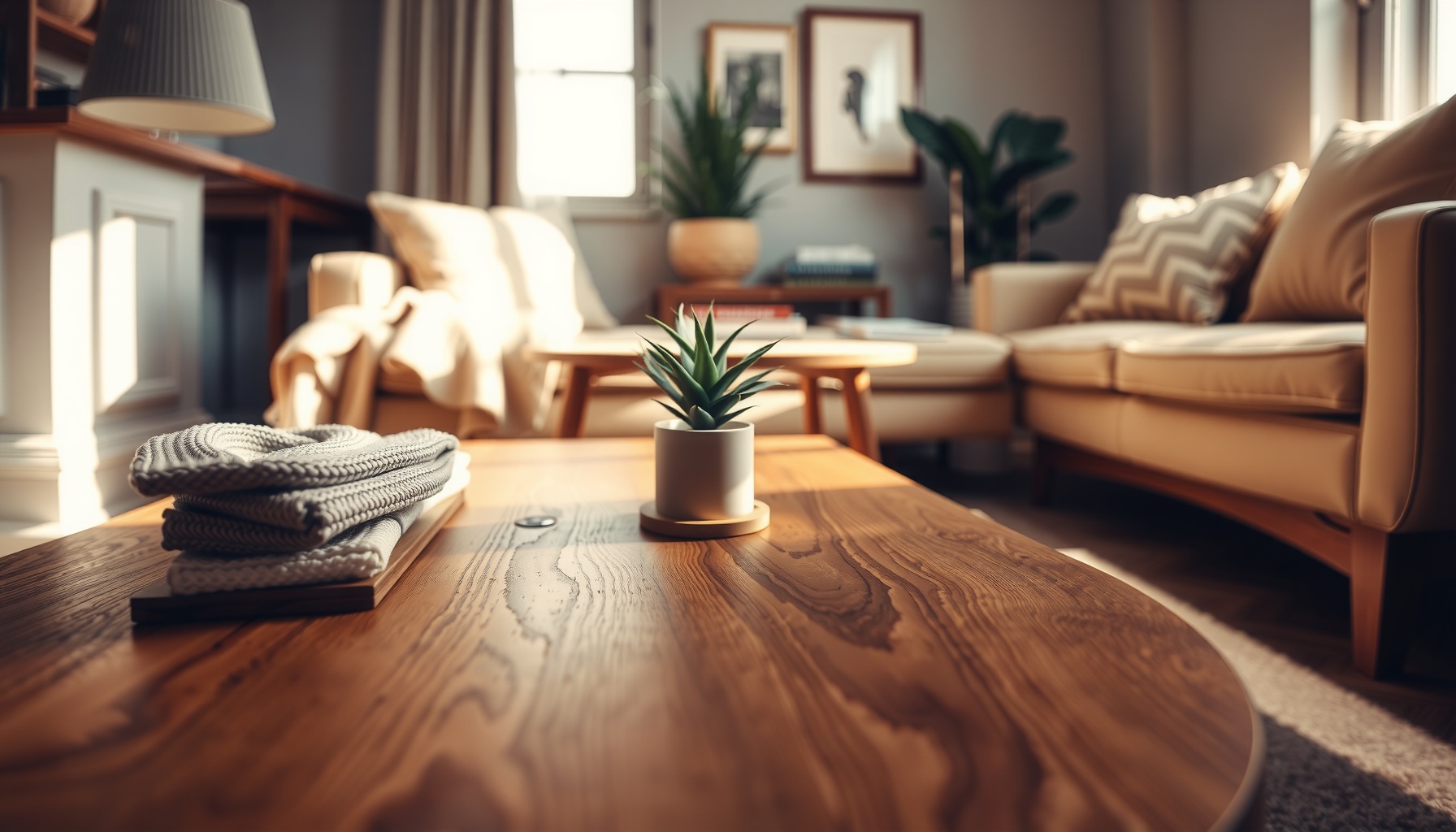
How to Clean Mango Wood Furniture
Maintaining your mango wood furniture’s beauty requires consistent and careful cleaning. Start by using a soft microfiber cloth to gently remove dust and dirt, ensuring that the cleaning method aligns with previous surface care practices.
It’s important to choose pH-balanced cleaners specifically recommended for mango wood; this not only helps avoid damage but also preserves the wood’s integrity.
Employing a microfiber cloth is essential for preventing scratching, ensuring your furniture remains in pristine condition.
These easy maintenance tips will help your furniture continue to showcase its natural beauty over time.
Best Polishing Techniques for Longevity
Polishing your mango wood furniture is an excellent investment in its overall quality and durability. Utilizing natural oils enhances not only the wood’s shine but also its protection against moisture and UV damage.
When applying polish, make sure to do so evenly and wipe off any excess to prevent buildup, which can obscure the natural beauty of the wood grain. For optimal results, adopt a polishing schedule that recommends polishing every 4-6 months; this frequency supports long-term longevity and reduces wear and tear.
Such maintenance not only preserves the furniture’s quality but also enhances cost-per-unit savings over time.
| Cleaning Method | Recommended Frequency |
|---|---|
| Use a soft microfiber cloth | Dust regularly |
| Apply pH-balanced cleaners | Every 4-6 months for polishing |
| Utilize natural oils for polishing | Prevent moisture and UV damage |
Protecting Against Scratches and Stains
To maintain the aesthetic appeal of wood furniture, proactive measures against scratches and stains are essential. Employing protective finishes, such as varnish and polyurethane, creates a resilient barrier that preserves your furniture’s pristine condition.
These coatings effectively shield wood surfaces from environmental damage, promoting longevity.
To complement these protective measures, everyday prevention is important; using coasters for beverages and mats under decorative items can significantly reduce wear and tear.
Routine cleaning not only enhances the appearance but also improves the effectiveness of protective coatings.
By implementing such preventive care, your furniture can retain its natural beauty while standing up to daily life.
Enhancing Durability with Proper Conditioning
Preserving the beauty and integrity of wood furniture requires proper conditioning. Benefits of applying a suitable wood conditioner include enhanced hydration and improved moisture resistance, helping to prevent cracks while prolonging the lifespan of your furniture.
A well-planned conditioning routine not only maintains the overall appearance but also reinforces durability against everyday wear.
Scheduling Your Conditioning Routine
Conditioning wood furniture should align with maintenance routines previously discussed. It’s advisable to condition your furniture seasonally; for instance, quarterly in spring and fall, and monthly during dry winter months can optimize results.
As you monitor the wood’s condition, adjust your schedule accordingly to ensure it continues to shine while effectively combating scratching and moisture damage.
Seasonal care plays a significant role in maintaining wood’s natural beauty and grain pattern.
Protecting Wood Furniture
- Protective finishes like varnish and polyurethane can extend the lifespan of wood furniture by up to 50%.
- Using coasters can reduce the risk of water rings and stains, preserving the wood’s finish.
- Routine cleaning can enhance the effectiveness of protective coatings by removing dirt and grime that may cause scratches.
- Seasonal conditioning helps maintain moisture levels in wood, preventing cracks and warping.
Sealing for Moisture Resistance and UV Protection
Ensuring that mango wood furniture remains in excellent condition is paramount for its longevity and aesthetic appeal. Effective sealants, such as polyurethane and varnish, are specifically designed to guard against moisture damage while preserving the natural beauty of the wood.
To maintain optimal durability, it is essential to inspect seal coverage annually; this prevents wear and extends the protective life of your furniture.
Regular maintenance is necessary since signs of deterioration can lead to irreversible damage.
For best results, always select sealants that offer both moisture resistance and UV protection to safeguard against harmful sun damage.
Restoration Techniques for Aesthetic Appeal
Maintaining the charm and integrity of mango wood furniture enhances its overall appeal and longevity.
Various restoration techniques such as light sanding and staining can effectively rejuvenate the surface. Understanding when to engage in DIY projects versus hiring professionals is essential for achieving effective results.
Simple DIY restoration projects can be suitable, particularly for minor repairs, allowing you to gradually develop your skills. For more extensive damage or intricate finishes, professional restoration services guarantee that your furniture receives optimal care.
DIY vs.
Professional Restoration
When attempting restoration, always consider the extent of the damage and your skill level.
The choice to restore your furniture can greatly influence its aesthetic maintenance.
DIY methods might be sufficient for minor refinishing tasks, but for more complex issues, investing in professional services is advisable to ensure the best outcomes.
Tailoring restoration techniques to align with the original finish is crucial to preserving both the beauty and integrity of your cherished pieces.
Mango Wood Furniture Care
- Polyurethane and varnish sealants effectively protect against moisture damage and UV rays.
- Annual inspection of seal coverage helps prolong the life of mango wood furniture.
- Light sanding and staining are effective DIY restoration techniques for maintaining the furniture’s aesthetic appeal.
- Professional restoration services ensure optimal care for extensive damage or intricate finishes.
Tips for Seasonal Care and Temperature Control
Maintaining the right environment is essential for preserving the beauty and integrity of your mango wood furniture. Proper temperature control is necessary to protect against damage and enhance longevity.
Aim for a temperature of 65-75°F and humidity levels between 40-60%.
Consistent monitoring can prevent warping and cracking.
Implementing a seasonal checklist can further ensure effective upkeep:.
- Winter: Use a humidifier to combat dry heat from heating systems, which can lead to moisture loss.
- Spring: Inspect for moisture damage as snow melts, and apply wood conditioner for surface protection.
- Summer: Protect against UV exposure, ensuring the finishes do not fade, maintaining aesthetic appeal.
- Fall: Check for drafts to maintain indoor humidity levels, preventing water damage and dryness.
Incorporating these care tips helps to enhance the longevity of your furniture while protecting against wear and tear. Regular maintenance, including using protective coatings and furniture polish, will significantly boost its durability and natural beauty.
- Maintaining humidity levels between 40-60% can reduce the risk of wood cracking and splitting.
- Using a humidifier in winter can help maintain the necessary moisture levels in the air, preventing furniture damage.
- UV exposure can cause finishes on mango wood furniture to fade, making protective measures essential during summer.
- Regular application of wood conditioner can enhance the surface protection and overall appearance of the furniture.