
Keeping your pine wood furniture in excellent shape is essential for showcasing its natural beauty and enhancing durability. Regular care not only improves the aesthetics of your pieces but also ensures their longevity.
Simple cleaning techniques, such as dusting and moisture control, play a significant role in preventing damage while keeping your furniture looking its best.
To preserve a pristine finish, utilizing ecofriendly products like wood conditioners and protective coatings is recommended.
Following these straightforward tips guarantees your pine furniture remains a stunning centerpiece in your home for years to come.
Click here to learn more about: www.globalvisioncompany.com
Choosing the Right Finish for Pine
Determining the best finish can profoundly influence the durability and appearance of your pine furniture. Various finishes, including oils, stains, and sealants, enhance the wood grain while providing essential protection.
Here’s a comparison of your options:.
Matte vs. Glossy Finishes
- Matte Finishes: These offer a soft, natural look and help reduce glare, making them ideal for rustic designs.
- Glossy Finishes: A polished appearance provides enhanced protection against wear and is best for high-traffic furniture.
For optimal results during application, surface preparation, including sanding and cleaning, is essential. Consider these tips to achieve the best results:
- Start with a clean surface to ensure proper adhesion of finishes.
- Use appropriate methods, such as a brush, cloth, or spray, to apply your chosen finish.
- Allow adequate drying time between layers to achieve a smooth, even finish.
Applying the right finish not only enhances the beauty of your pine furniture but also supports its longevity and resilience.
By carefully selecting the right finishes and applying them correctly, you can significantly improve the durability and aesthetics of your pine wood furniture, ensuring it stays beautiful for many years.
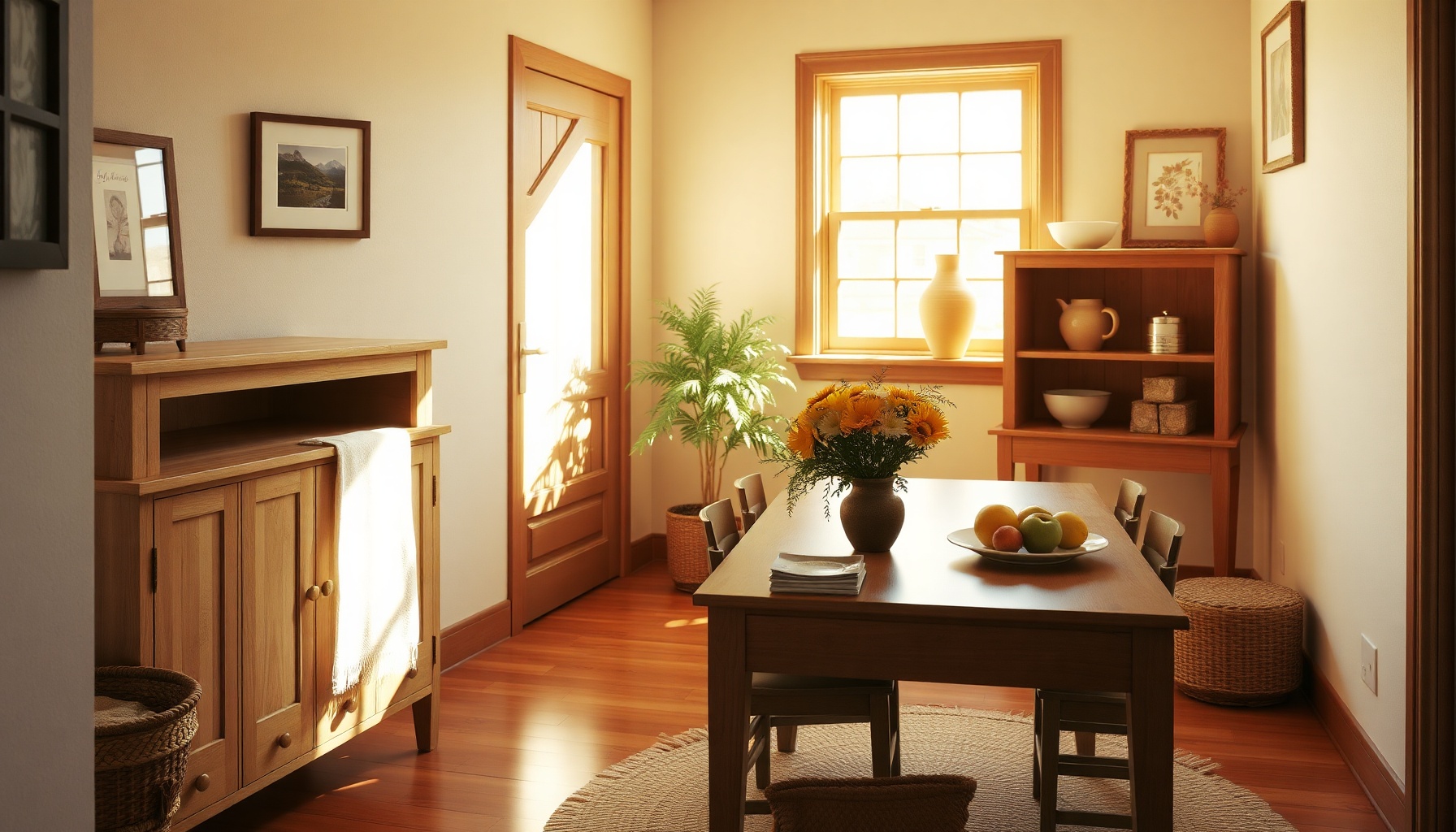
How to Clean Pine Wood Furniture
Cleaning pine wood furniture effectively requires a thoughtful approach that preserves its natural beauty. To maintain the wood’s finish, always use gentle cleaners instead of harsh chemicals.
Harsh cleaners can strip moisture and leave your furniture looking dull, so it is essential to opt for pH-balanced solutions safe for wooden surfaces.
A simple DIY cleaning solution involves mixing equal parts of white vinegar and olive oil for routine use.
For tougher grime, combine water with a few drops of dish soap. Regularly applying these methods helps ensure surface preservation while minimizing the risk of scratches.
Essential Care for Pine Furniture
Proactive maintenance significantly enhances the lifespan and aesthetics of pine furniture.
Regular inspections allow for the identification of potential issues, such as scratches or warping, enabling timely repairs. Implementing a recommended routine care schedule includes:.
- Monthly dusting with gentle DIY cleaners.
- Quarterly inspections to apply wood conditioner if necessary.
To prevent warping, effective moisture control is imperative. Maintaining humidity levels between 30-50% prevents deterioration. Utilizing a humidifier or dehumidifier helps create optimal conditions, ensuring your furniture remains in excellent condition. These efforts in upkeep not only enhance the durability of your pine furniture but also contribute to its overall beauty.
The Benefits of Regular Maintenance
Regular maintenance provides significant benefits, ensuring furniture longevity and aesthetic appeal.
Implementing a structured care routine aids in early detection of issues like wear or scratches. Consistent upkeep results in:.
- Increased durability and protection of surfaces.
- Enhanced beauty through proper cleaning and conditioning.
- Improved longevity of wooden surfaces.
By establishing these practices, you foster a commitment to the restoration and preservation of your pine furniture.
Controlling Humidity Levels
Maintaining appropriate humidity levels plays a vital role in preventing warping and damage. Humidity control solutions may include:
- Using air conditioning during humid months.
- Deploying dehumidifiers in damp environments.
- Regularly checking moisture levels with a hygrometer.
These strategies enhance the resilience of your pine furniture, ensuring it remains a cherished part of your home for years to come.
Pine Wood Furniture Care
- Using gentle, pH-balanced cleaners helps maintain the finish and natural beauty of pine wood.
- Regular inspections can identify issues like scratches or warping before they worsen.
- Maintaining humidity levels between 30-50% is crucial for preventing warping and damage.
- Consistent maintenance can significantly extend the lifespan of pine furniture.
Best Oils for Wood Preservation
Choosing the right oils for wood preservation significantly enhances the longevity of your furniture. Linseed oil penetrates deeply, enriching the wood grain while offering protection against moisture.
It may darken the surface over time.
Tung oil provides excellent waterproofing and durability, making it ideal for various wooden surfaces.
Mineral oil is particularly well-suited for food-safe applications, such as kitchen counters, while Danish oil combines both oil and varnish for added protection and aesthetics. For optimal results, consider your furniture’s exposure and usage frequency: high-traffic pieces benefit from monthly oil applications, while decorative cabinets can be treated quarterly to ensure proper upkeep.
Evaluate wood type and existing finishes to ensure compatibility, thereby enhancing surface protection and overall beauty.
Techniques for Preventing Scratches
Implementing effective strategies for preventing scratches on wood surfaces is essential for maintaining their visual appeal. Utilizing coasters wisely can protect against moisture and heat; always opt for absorbent, non-abrasive materials.
Regular cleaning plays a vital role—dust furniture often to prevent grit accumulation that can cause noticeable scratches.
Furniture pads, placed under the legs of furniture pieces, serve as an excellent barrier against wear and tear.
Maintaining humidity levels within a suitable range prevents wooden surfaces from cracking and enhances their structural integrity. By adopting these practical care techniques, you ensure your furniture remains in pristine condition while extending its durability and elegance.
Wood Preservation and Care
- Linseed oil can provide a protective layer against moisture while enhancing wood grain.
- Tung oil is known for its waterproofing properties, making it suitable for various wooden surfaces.
- Regular cleaning and using coasters can significantly reduce the risk of scratches on wood furniture.
- Maintaining appropriate humidity levels is crucial for preventing cracks and preserving wood integrity.
Wax vs. Varnish: Which is Better?
When it comes to selecting a finish for pine, an essential consideration lies in comparing wax and varnish for their distinct characteristics.
Wax delivers a natural finish that beautifully enhances wooden surfaces, creating a warm and inviting aesthetic.
However, durability is a factor; wax typically requires reapplication every 3-6 months, especially in high-traffic areas.
On the other hand, varnish offers a durable, protective coating that excels at resisting scratches and spills, making it more suitable for frequently used furniture. While varnish can last between 1-3 years, careful application is necessary to prevent issues such as yellowing.
Aesthetically, wax provides a soft sheen that accentuates the wood grain, while varnish achieves a polished, refined look that can enhance the overall beauty of your furniture.
Tips for Maintaining Furniture Longevity
Ensuring your pine furniture remains beautiful and functional involves implementing effective proactive measures for care. One important aspect includes humidity control, which helps prevent warping by maintaining levels between 40-60%.
Rearranging furniture to avoid heat sources can significantly reduce the risk of damage over time.
Regular dusting with a soft cloth acts as a preventive action against buildup that dulls the finish.
Cleaning and Upkeep
For any spills, immediate cleanup using a damp cloth is essential to mitigate potential water damage.
Regular inspections will help identify signs of wear, allowing you to apply necessary maintenance based on the type of finish used. A little upkeep goes a long way in preserving your furniture’s longevity.
Protective Measures
Utilizing cleaning solutions and maintenance kits specifically designed for your chosen finish can enhance protection against everyday wear.
Keeping UV protection in mind is also critical, as prolonged exposure to sunlight can affect wood aesthetics.
Ultimately, developing a consistent routine for care and preservation ensures that your furniture continues to showcase its natural beauty and withstands the test of time.
Furniture Finishes
- Wax enhances the natural beauty of wood but needs reapplication every 3-6 months.
- Varnish provides a durable protective layer that can resist scratches and spills for 1-3 years.
- Humidity levels between 40-60% are crucial to prevent warping in wooden furniture.
- Immediate cleanup of spills is essential to mitigate potential water damage to furniture finishes.
Signs Your Pine Furniture Needs Restoration
Recognizing the condition of your pine furniture directly impacts its longevity and appeal. Visible damage, such as scratches and dents, not only diminish the aesthetics but also affect structural integrity.
Addressing these issues promptly can prevent deeper wood degradation and maintain its beauty.
An important indicator is a fading finish; a dull surface indicates the need for refinishing to restore your furniture’s natural shine.
Identifying Key Issues
Uneven surfaces or warping suggest moisture exposure, which requires immediate attention.
Early intervention can save the piece from further damage and enhance its durability. Additionally, loose joints signal that the furniture needs repair for safety reasons.
Ignoring these signs may lead to more significant issues down the line.
Addressing wear early is essential for long-term preservation and aesthetics.
Restoration Approaches
For minor issues, DIY restoration can be a cost-effective approach that enhances the beauty of your furniture.
Utilize maintenance kits and ecofriendly products for optimal results.
Major repairs may necessitate professional expertise, ensuring proper restoration techniques are applied for optimal results.
- Scratches: Use wood conditioner or touchup solutions to rejuvenate the finish.
- Finish: Consider applying a new coat of varnish or protective coatings for enhanced shine and protection.
- Maintenance: Regular cleaning and moisture control are crucial for preventing degradation.
By paying attention to these signs and addressing them promptly, you can enjoy the longevity and beauty of your pine furniture for many years. Whether opting for a DIY approach or enlisting professional help, maintaining your wood pieces is vital for their durability and overall appeal.
Pine Furniture Restoration
- Regular maintenance can extend the life of pine furniture by up to 50%.
- Refinishing can restore the original beauty of pine, increasing its market value.
- Moisture control is crucial; wood can warp or crack if exposed to high humidity levels.
- Addressing loose joints can prevent accidents and ensure safety when using the furniture.