
Reviving your oak furniture to its original beauty starts with an effective cleaning routine. Cleaning oak furniture requires proper care and attention to its natural finish to avoid damaging the wood.
Regular maintenance is essential for preserving its charm, allowing it to shine for years to come.
This guide outlines the best practices for keeping your oak pieces looking stunning.
With the right techniques, you can ensure your furniture not only remains attractive but also maintains its structural integrity.
- Discover the importance of maintaining oak finishes.
- Explore effective cleaning methods that prevent damage.
Click here to learn more about: www.globalvisioncompany.com
Dusting Techniques for Oak Furniture
Establishing a routine for oak furniture care is fundamental to maintaining its natural allure. Dusting regularly prevents grime buildup and scratches while showcasing the wood’s beauty. Utilize microfiber cloths for optimal dust removal, as they effectively trap particles without harming surfaces. Incorporating a weekly dusting schedule will help minimize dust accumulation, ensuring your furniture consistently looks its best. By prioritizing these simple maintenance tips, you can ensure your oak furniture remains a beloved centerpiece in your home.
- Microfiber cloths are recommended for effective dusting without damage.
- Implement a weekly dusting routine to preserve furniture quality.
How to Polish Oak for Shine
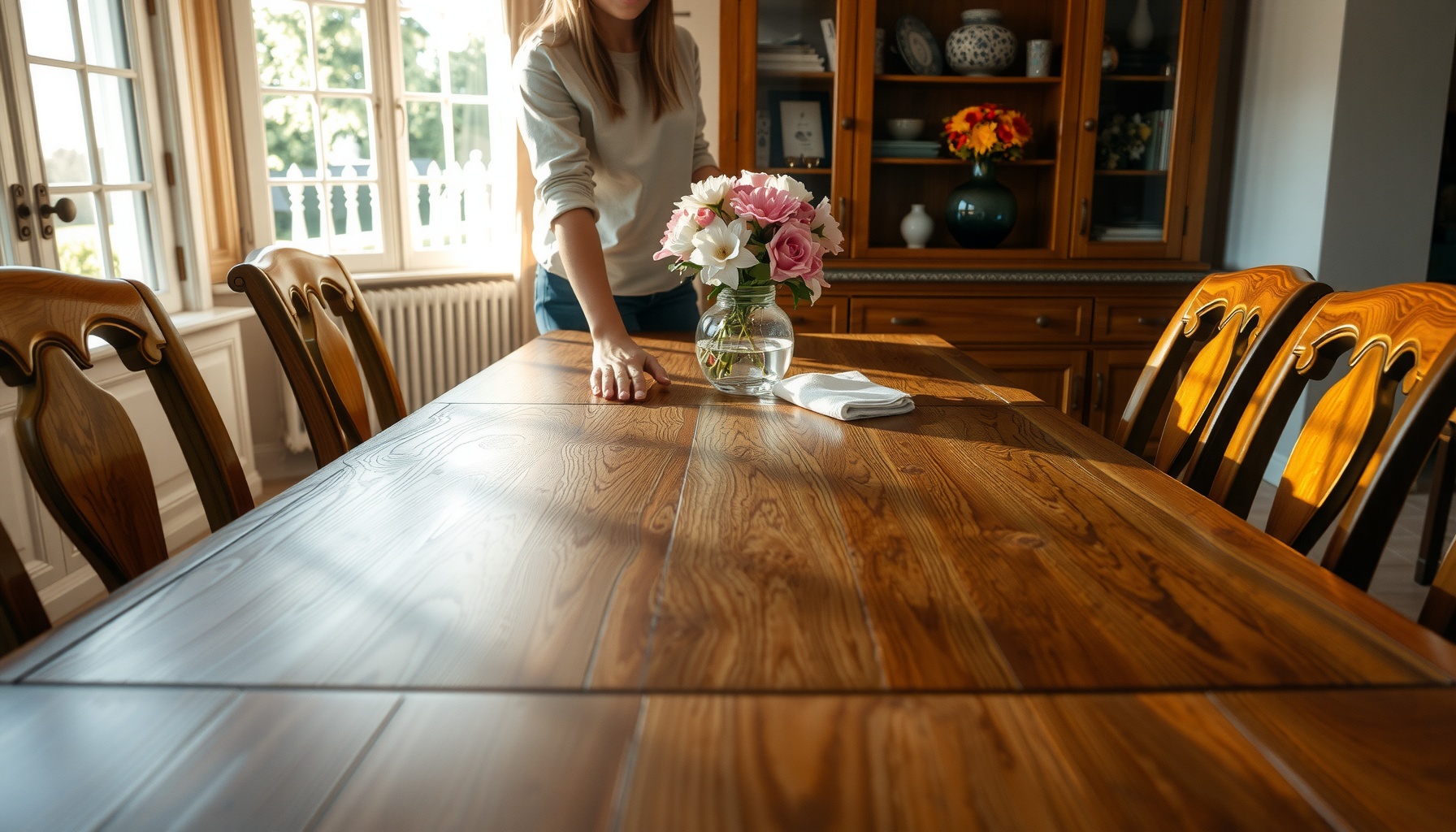
Polishing oak significantly enhances its natural beauty and luster. Regular polishing not only boosts aesthetics but also protects the wood from damage.
When comparing natural oils to commercial products, natural oils such as lemon and walnut oil offer a safe, ecofriendly option that enhances grain visibility.
Alternatively, commercial products provide quick application and added protective features.
Follow this step-by-step guide to achieve a lasting shine:.
- Cleaning the Surface: Use a soft cloth to effectively remove dust and grime.
- Choosing Your Polish: Opt for natural oils to ensure a safe finish or select commercial polishes for speed in application.
- Application: Apply oil with a clean cloth in circular motions, avoiding oversaturation to remain effective on the surface.
- Buffing the Surface: Buff with a dry cloth until the desired shine is achieved, ensuring no fibers remain on the wood.
Best Wax Options for Protection
Using the right wax enhances oak durability and maintains its beauty effectively. Beeswax serves as an ideal choice for natural finishes, offering a warm glow. In contrast, carnauba wax provides exceptional durability and water resistance, making it perfect for achieving a high-shine finish. Furniture wax is available in various formulations tailored to different wood types, facilitating easier application and upkeep.
For effective application and buffing, consider these tips:.
- Preparation: Ensure the surface is clean and dry before applying wax to achieve optimal results.
- Application: Using a polishing cloth, apply wax in thin layers, working along the wood grain for uniform coverage.
- Buffing: Buff with a clean cloth using circular motions to achieve the desired shine and finish.
| Polishing Method | Benefits |
|---|---|
| Natural Oils | Eco-friendly, enhances grain visibility |
| Commercial Products | Quick application, added protective features |
| Beeswax | Ideal for natural finishes, warm glow |
| Carnauba Wax | Exceptional durability, water resistance |
Using Oil for Wood Conditioning
Preserving oak furniture requires dedicated methods, and one effective approach is using oil for wood conditioning. Natural oils, including linseed and tung oil, deeply penetrate the wood grain, rejuvenating tired surfaces while adding a protective finish.
Linseed oil provides a rich, matte appearance, while tung oil establishes a water-resistant barrier that showcases the wood’s natural beauty and patterns.
To achieve even absorption, start by preparing the surface through light dusting and gentle sanding.
This process removes grime and enhances the oil’s effectiveness.
Apply oil using a clean, soft cloth in circular motions to ensure complete coverage.
After allowing it to absorb, wipe off any excess oil to avoid sticky residue. Regular reapplication of oil is essential in keeping the wood looking vibrant and well-maintained.
Effective Cleaning Solutions for Grime
Maintaining the beauty of oak furniture involves regular cleaning, which is key to preventing grime buildup and preserving its finish.
Natural cleaners can serve as excellent alternatives for those seeking to maintain a clean environment while ensuring the safety of the wood. Vinegar solutions, mixed with water, act as gentle yet thorough cleaning agents that lift dirt without damaging the finish.
Other options, such as olive oil and lemon juice, provide additional conditioning benefits as you clean.
Always test these solutions on a small, hidden area first to ensure there is no reaction that may harm the wood.
This preliminary step allows for monitoring any adverse effects before committing to the entire cleaning process.
Develop a routine of dusting with a soft microfiber cloth to minimize grime accumulation and maintain that stunning shine.
By incorporating these methods into your furniture care routine, you can enhance the longevity and appeal of your oak pieces.
Wood Conditioning and Cleaning
- Natural oils like linseed and tung oil not only enhance the appearance of wood but also provide protective barriers against moisture and wear.
- Regular application of oil can significantly extend the lifespan of oak furniture by preventing drying and cracking.
- Vinegar solutions are effective in removing grime while being safe for wood finishes, making them a popular choice for eco-friendly cleaning.
- Dusting with a microfiber cloth can reduce the need for deep cleaning, as it minimizes the accumulation of dust and dirt on furniture surfaces.
Gentle Cleaners for Surface Treatment
Choosing the right cleaning solutions is vital for preserving the elegance of oak furniture. Gentle cleaners specifically crafted for wood prevent damage from harsh chemicals that can harm finishes.
pH-balanced cleaners offer significant benefits for oak, helping to maintain its natural shine and reduce the risk of discoloration.
By regularly utilizing these specialized cleaning agents, you not only enhance the appearance of your furniture but also contribute to its longevity.
Consider incorporating the following gentle cleaners into your maintenance routine:
- Murphy’s Oil Soap – A gentle and effective choice for regular cleaning.
- Method All-Purpose Cleaner – A plant-based, pH-balanced solution safe for wood.
- Pledge Gentle Wood Floor Cleaner – Excellent for deep cleaning without using harsh chemicals.
- Simple Green Pro HD – A non-toxic formula that ensures safety for various surfaces.
- Bona Hardwood Floor Cleaner – Perfect for maintaining the finish of oak floors.
Tips for Furniture Care and Maintenance
Implementing a well-structured care routine is essential to enhance the longevity of your oak furniture pieces. A seasonal maintenance checklist can help keep your furniture in pristine condition. For spring, focus on dustin surfaces and inspecting for wear. During summer, applying a protective wax regularly ensures optimal shine. For fall, thorough cleaning prepares your items for changes in humidity, while winter demands vigilant monitoring of dry air levels. Additionally, rotating furniture periodically is a simple yet effective strategy to prevent uneven wear and fading due to sunlight exposure. This practice not only boosts aesthetic harmony in your home but also protects your investment.
Remember: Consistent maintenance significantly contributes to the longevity of your furniture and ensures it stays beautiful for years.
Seasonal Care Checklist
- Spring: Dust surfaces and check for wear.
- Summer: Apply protective wax for shine.
- Fall: Conduct a thorough cleaning for humidity changes.
- Winter: Monitor dry air levels to protect finishes.
Furniture Care
- Using pH-balanced cleaners helps maintain the natural shine of oak furniture.
- Regular application of protective wax can enhance the appearance and longevity of wood finishes.
- Seasonal maintenance routines can prevent damage caused by humidity and dry air fluctuations.
- Rotating furniture can help avoid uneven wear and fading from sunlight exposure.
Restoring Antique Furniture with Natural Oils
Restoring antique furniture requires a respectful approach, particularly when utilizing natural oils. Older pieces deserve meticulous treatment to preserve their unique character and integrity.
Linseed oil stands out as an effective option, as it deeply penetrates wood grains, enhancing color and shine.
Tung oil also ranks as an excellent choice due to its water-resistant properties, making it suitable for humid environments.
The Importance of Patience in Restoration
When engaging in restoration, the importance of patience cannot be overstated.
Applying oils slowly permits optimal absorption, resulting in a smooth, protective finish that safeguards against grime and moisture. Techniques such as using a soft bristle brush or a microfiber cloth facilitate this process without damaging the wood grain.
Choosing the Right Natural Oils
- Linseed oil: An ideal choice for its deep penetration and enhancement of wood grain.
- Tung oil: Perfect for its resistance to moisture, making it suitable for various environments.
- Lemon oil: Provides a lovely shine and serves as a gentle cleaner.
Embracing these techniques honors the craftsmanship of treasured antiques. With care products like wood conditioner and environmental cleaners, restoration becomes not only a labor of love but also a sustainable practice that extends the longevity of antique furniture. Regular maintenance tips, such as using furniture polish to enhance surface shine, ensure that these pieces remain beautiful for years to come.
| Type of Oil | Key Benefit |
|---|---|
| Linseed Oil | Deep penetration and enhancement of wood grain |
| Tung Oil | Water-resistant, suitable for humid environments |
| Lemon Oil | Provides shine and acts as a gentle cleaner |