
Creating an invigorating work environment significantly affects productivity in coworking spaces. The selection of furniture for coworking spaces must accommodate diverse styles and working preferences, ensuring both comfort and functionality.
Ergonomic chairs, flexible layouts, and innovative designs are pivotal in fostering creativity and focus.
By integrating modular workstations and shared desks, businesses can customize their environments to adapt to evolving team dynamics, transforming ordinary spaces into hubs that encourage collaboration and innovation.
Click here to learn more about: www.globalvisioncompany.com
Collaborative Seating for Team Synergy
Enhancing team interaction through collaborative seating arrangements can profoundly impact workplace synergy.
Collaborative seating, such as communal tables and circular sofas, creates opportunities for open dialogue and breaks down communication barriers effectively. The implementation of adaptable spaces with these layouts allows teams to quickly reconfigure their settings based on project needs, which in turn boosts productivity.
Benefits of Collaborative Seating
- Improved Communication: Circular sofas and communal tables encourage spontaneous discussions.
- Flexible Layouts: Quick reconfiguration of seating options accommodates team projects.
- Enhanced Comfort: Using ergonomic chairs ensures participants remain focused during lengthy discussions.
- Inviting Environments: Colorful, modern designs create engaging spaces that stimulate creativity.
Creating inviting collaborative areas goes beyond furniture; it shapes the culture of teamwork and innovation.
A well-designed collaborative seating area can drive better business outcomes by fostering a sense of community. The blend of functional aesthetics and comfortable seating ensures that spaces are conducive to both productivity and social interactions. Emphasizing design flexibility, these collaborative zones can evolve based on user needs, enhancing overall workspace efficiency.
Design Elements to Consider
When planning collaborative seating areas, consider integrating:.
- Privacy Pods: Allow for focused work within busy environments.
- Mobile Furniture: Facilitate dynamic adjustments and promote adaptability.
- Task Lighting: Enhance focus and reduce eye strain.
- Acoustic Panels: Minimize distractions in open-plan designs.
By thoughtfully selecting collaborative seating options, coworking spaces can become a catalyst for team collaboration and innovation. Selecting appropriate furniture not only enhances the aesthetics of the workspace but also impacts efficiency and employee satisfaction, setting the tone for a vibrant business hub.
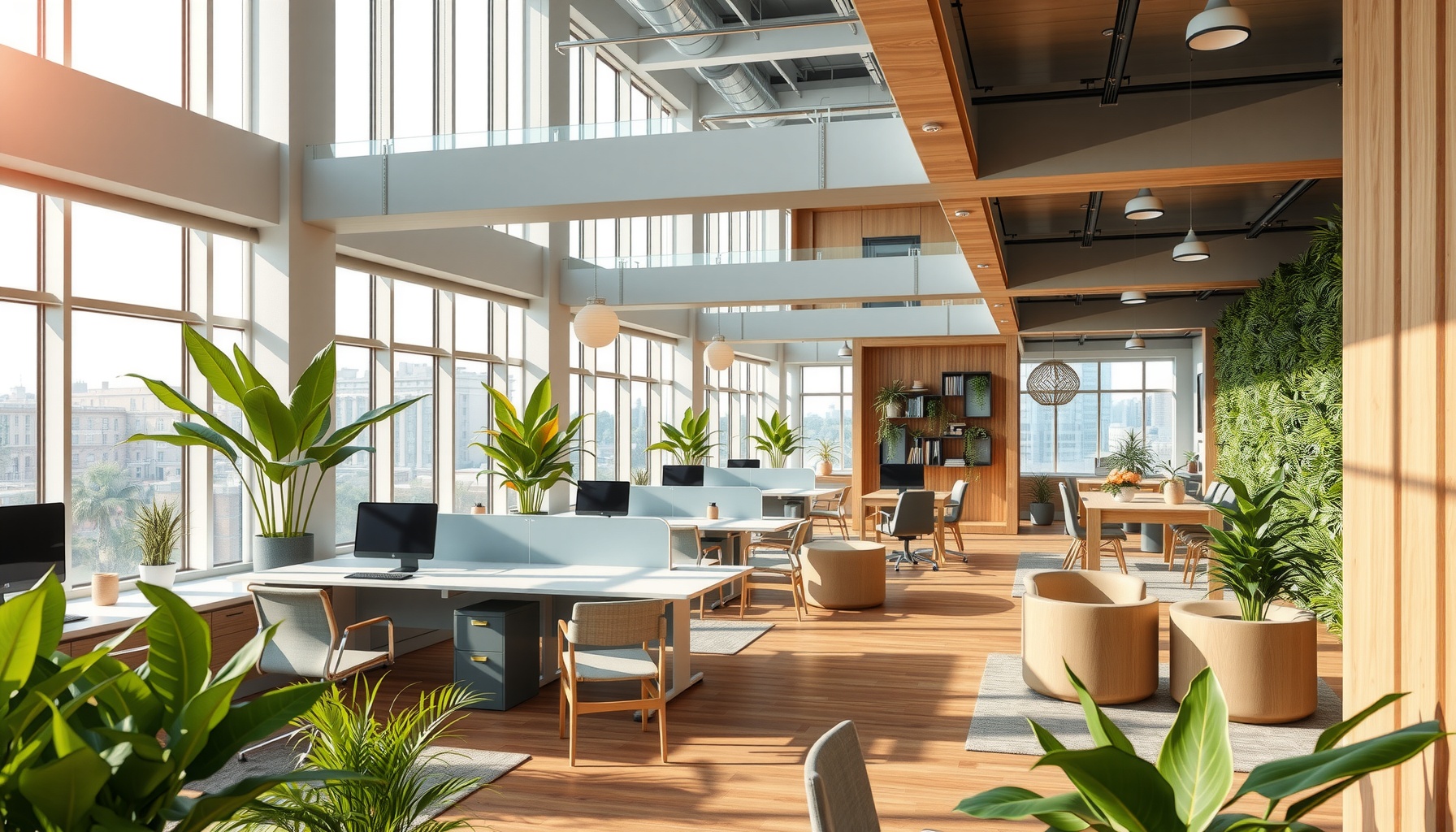
How to Choose Shared Desks Effectively
Selecting shared desks involves a detailed examination of their functionality and design. Different types of desks address varied needs—collaborative seating encourages teamwork while individual stations improve focus.
Emphasizing ergonomic features is essential; ergonomic chairs paired with these desks promote comfort during extended work hours.
Evaluating the layout is also significant; flexible layouts facilitate quick reconfiguration as project requirements change.
Ensuring a balance between shared resources and personal space cultivates a productive environment, thus enhancing workspace efficiency. This comprehensive approach is paramount for creating an ideal workspace that accommodates diverse team dynamics.
Benefits of Modular Workstations in Flexibility
Modular workstations provide substantial benefits in adapting to various tasks.
These adaptable environments effortlessly accommodate shifting team sizes and project specifications. Modular design enables the effortless creation of collaboration zones or quiet areas, which encourages productivity and sparks innovation.
Utilizing modular workstations not only enhances workspace efficiency but also promotes team collaboration.
Additionally, the incorporation of multipurpose furniture maximizes space utilization while reducing clutter.
Advantages of Modular Workstations
- Enhanced adaptability: Modular workstations can be reconfigured quickly, allowing for design flexibility as business needs evolve.
- Space optimization: Efficient use of available space is crucial to maintaining an organized office environment.
- Cost-saving benefits: Investing in multipurpose furniture leads to long-term savings, especially when considering volume discounts for bulk purchases.
Investing in such flexible work environments not only boosts staff morale but also fosters continuous collaboration. The opportunity to dynamically reshape spaces supports evolving business needs, establishing modular workstations as a fundamental element in contemporary office design.
Shared Desks and Modular Workstations
- Studies show that ergonomic workspaces can reduce employee discomfort by up to 50%.
- Flexible office layouts can increase team collaboration by 30%, leading to higher productivity.
- Companies that adopt modular workstations report a 20% decrease in office reconfiguration costs.
- Utilizing multipurpose furniture can save up to 40% more space compared to traditional office setups.
Importance of Ergonomic Chairs for Wellness
Investing in ergonomic chairs significantly enhances workplace wellness. Ergonomic chairs include adjustable lumbar support and customizable height settings, specifically designed to promote proper posture and reduce discomfort.
Studies consistently show that poor seating arrangements are a primary factor contributing to back problems, which negatively impacts overall productivity.
Unlike traditional chairs, ergonomic designs provide personalized comfort tailored to individual body types, effectively minimizing the risk of musculoskeletal disorders (MSDs).
Regular use of ergonomic seating improves blood circulation and decreases fatigue, ultimately leading to increased focus and productivity levels. Prioritizing ergonomic chairs is essential for fostering long-term health benefits, reshaping how employees engage with their daily workflows.
Creating Flexible Layouts for Productivity
Designing flexible layouts is instrumental in maximizing productivity within modern workspaces.
Flexible layouts leverage modular workstations that allow teams to adjust their environments according to varying needs, nurturing an agile workspace. By incorporating collaborative seating arrangements, businesses foster creativity and enhance teamwork among employees.
Quiet work areas contrasted with vibrant collaborative zones facilitate effective communication and engagement.
The integration of mobile furniture options not only optimizes space but also accommodates a wide range of tasks.
Adapting layouts to align with diverse workflows is essential for maximizing productivity and employee satisfaction in evolving environments.
Strategic Design Considerations
- Utilize office dividers to create distinct areas for focus and collaboration.
- Incorporate multipurpose furniture to enhance functionality and adaptability.
- Implement hot desking to promote resource sharing and flexibility.
- Include privacy pods for focused work and confidentiality.
- Ensure ample power outlets to support integrated technology needs.
Enhancing Workflow through Design
Employing interactive layouts initiates innovation spaces that stimulate creativity. Meeting booths and breakout spaces provide opportunities for team collaboration and brainstorming. Acoustic panels can enhance sound quality in social interaction zones, minimizing distractions. By integrating task lighting and storage solutions, businesses can create user-friendly environments that cater to various workflows. Achieving an ideal workspace promotes overall efficiency and employee well-being.
Ergonomic Chairs and Workspace Design
- Research indicates that ergonomic chairs can reduce the risk of developing musculoskeletal disorders by up to 60%.
- Flexible workspace designs can increase employee productivity by 20-30% through improved collaboration and comfort.
- Studies show that incorporating quiet areas in the workplace can enhance focus and decrease stress levels among employees.
- Utilizing mobile furniture solutions can lead to a 15% increase in space utilization within office environments.
Utilizing Office Dividers for Privacy
Creating personal work areas significantly enhances focus in any workplace. Office dividers serve as versatile solutions that boost privacy while preserving an open layout.
These dividers, particularly acoustic panels, effectively absorb sound, which helps reduce noise distractions in bustling environments.
Movable partitions allow for seamless adjustments to workspace configurations, enabling teams to personalize their surroundings as necessary.
By establishing dedicated spaces, office dividers foster both productivity and collaboration, making them essential in various professional settings. The right dividers achieve an ideal balance of privacy and interaction, ultimately enhancing employee satisfaction.
Features of Multipurpose Furniture for Small Spaces
Smart furniture selections profoundly impact the efficiency of limited spaces.
Multipurpose furniture not only conserves area but significantly enhances functionality within homes and offices alike. Key elements include:
- Modular workstations: These adaptable units accommodate evolving needs and flexible layouts.
- Ergonomic chairs: Designed for comfort, these chairs maximize user well-being without occupying excessive floor space.
- Integrated storage solutions: Efficiently combine style with organization, maintaining order in compact environments.
Overall, incorporating multipurpose areas is vital for optimizing small spaces while creating a visually pleasing atmosphere. By utilizing functional aesthetics, businesses can transform their environments into inviting, effective workspaces.
Office Dividers and Multipurpose Furniture
- Studies show that employees with designated personal work areas report a 20% increase in productivity.
- Acoustic panels can reduce noise levels by up to 50%, significantly minimizing distractions in open office layouts.
- Multipurpose furniture can save up to 30% of floor space in small offices, allowing for more flexible arrangements.
- Ergonomic chairs can improve posture and reduce discomfort, leading to a 25% decrease in work-related injuries.
Designing Lounge Areas for Relaxation
Creating an inviting lounge area promotes relaxation and encourages social interaction within coworking environments. Comfortable seating options are essential, with choices such as ergonomic chairs and casual sofas available to enhance the overall user experience.
Ergonomic furniture supports individuals in unwinding and recharging, ultimately maximizing productivity in shared spaces.
Incorporating natural lighting and biophilic elements significantly contributes to establishing a calming atmosphere—one where individuals feel encouraged to collaborate and connect.
Strategically arranged layouts enhance flow within the space, ensuring that users can easily transition between breakout spaces and quiet areas.
This adaptability caters to varying needs for relaxation or focused work. Key elements to consider include:.
- Collaborative seating: Foster interaction and conversation.
- Flexible layouts: Allow for easy reconfiguration based on activity.
- Multipurpose furniture: Maximize space utility and functionality.
- Task lighting: Support various tasks and enhance comfort levels.
- Acoustic panels: Improve sound quality for a peaceful environment.
Integrating mobility features such as mobile furniture facilitates seamless transitions between different zones. Creating a functional aesthetics approach helps maintain a stylish decor while meeting practical needs. By optimizing space and incorporating innovative design thinking, the lounge area not only serves as a relaxing retreat but also a hub for team collaboration and creativity.
- Studies show that comfortable seating can increase productivity by up to 20% in coworking spaces.
- Natural light exposure has been linked to improved mood and energy levels, leading to a more collaborative environment.
- Flexible layouts can reduce the time spent reconfiguring spaces by 30%, enhancing usability for various activities.
- Acoustic panels can lower noise levels by up to 50%, creating a more peaceful and focused workspace.